ARCHIVE

BROwSE entire

>

Though I knew I wanted to, I haven’t felt ready to write this post for a while.

I hinted at this in my 2018 wrap-up blog post. A year ago, I was having a tough time. In addition to chaos in my personal life and a nonstop travel schedule, I was dealing with depression and anxiety that was becoming unmanageable. I’ve dealt with both anxiety and depression for most of my life, but this time it was a big signal that something was not working. I had seen so many incredible things throughout the year, worked hard on my craft, and built valuable business relationships. But looking back on it, a lot of the exciting things I did in 2018 were at the expense of my physical and mental well-being. My depression made it difficult for me to even get out of bed, and my anxiety manifested as constant, uncomfortable chest pressure. Nothing felt easy, not even simple tasks.

I started 2019 with a new plan. It involved doing less, being super intentional with my priorities, and taking a hard look at how I was spending my time.

Before I could take a step back, I had to look at an important factor: money. How much could I really afford to hit pause, if that’s what needed to happen? It can be challenging to look at your finances in a normal state, and I was super depressed, so this wasn’t exactly on my list of super fun activities! I made an agreement with myself that if this period of time meant I needed to get a part-time job to supplement my income, I would. I had to get over my own ego, and the stories I was telling myself that this would equate to failure. Doing what you need to do in order to take care of yourself is not failure, it is the opposite of that.

Before we continue, I’d like to acknowledge that being able to take a step back and prioritize your mental health is a privilege. Some of the services available to me are not available to others because of a wide range of barriers: money, time, and location, just to name a few. This blog post is not meant to be prescriptive, or sound anything like “if I can do it, so can you!“. Everyone has a unique situation and I encourage you to seek out the right help for you personally.

For me, this period of time was a clear ultimatum where I had to separate what was working from what was not. I knew I had a big hole to dig myself out of, and my first step was to hit pause. I put getting better at #1 on my to-do list and looked at my options for professional help.

I started weekly therapy, treatment for depression and anxiety, and fellowship in the form of an ongoing program. We’re not just talking bubble baths and face masks (no hate to those things), but professional, regimented, weekly and daily support that was sometimes expensive, and often inconvenient. I cannot overstate how grateful I am for all of these things.

Sometimes I would leave therapy surprised at how completely physically exhausted I felt from it. I’d come home and sleep for a few hours, dealing with feelings of guilt and shame, blaming myself for resting instead of working. I felt like I always needed to be doing something “productive”, and had to focus on re-wiring my brain to really absorb that my value does not come from my work, or what I “do”. Over time, I started to feel better. The fog lifted and I slowly got back to work. I began thinking about how I wanted to structure my life moving forward.

I started paying acute attention to what made me noticeably anxious. One of my biggest triggers was spending too much time on social media. I noticed that I was comparing myself to others, experiencing jealousy, and noticing an impulse to be combative because of it. When my anxiety would take hold, I’d become avoidant with things like friends, family, business, and finances. Because of this, I choose to limit my time on social media and practice mindfulness daily to maintain a healthy relationship with my time online.

I was writing again, but not for an audience. I wrote down what I wanted my life to look like in the future, and I tried to get specific: 5 years, 3 years, 1 year–– what did those look like? I asked myself what energized me, and what things in my business totally deflated or exhausted me. I looked at what kind of life I wanted outside of my business, and what creating that would mean. I observed my relationships, and my boundaries within them.

Over time, I put all of this into practice and restructured my life in a way that makes me feel supported and empowered, and I am unapologetic about making changes as they are necessary. 

What surprised me the most about my choices this year is how much my business has improved as a result. I’m not only talking about my income here, though that grew, too. As I got clear on what I do and what I don’t do, what I can and what I can’t participate in, the quality of my projects and clients improved. I felt more fulfilled by the work I was taking on. I gained confidence and initiative.

When I made space first for rest and my mental health, I found that I was able to get clear on the direction I wanted for myself and my business. Because of this clarity, I saw the projects that were a right fit for me immediately, and said no the others without getting anxious about it. I was then able to outsource and delegate tasks to people that can do things better and faster than I can, while I focus my attention where it is better for the business, and for my well-being.

Taking care of yourself is imperative. You cannot do everything, and you cannot do it all alone. Nothing replaces sleep. Your body has limits.

Because of my decision to pause and re-prioritize, I was able to produce better work. I was able to be more present with my clients and collaborators. My mental game got stronger, and believe me, you have to have a strong mental game if you have any kind of internet presence. And ultimately, I was able to pursue and attract better, bigger opportunities. For example, I gave a TED Talk this year at TED HQ… there is absolutely no way that would have happened if I had not slowed down to re-focus.

This is not a story of a big traumatic event, or my life falling apart. What I experienced is something I believe to be very common. I was on a train headed straight to burnout, and I’m lucky to have found the help I needed. Where I had fear, I now have peace. It’s not perfect, it’s a process.

Wherever you are in your life and career, I encourage you to check in on how you’re feeling, and to do it regularly. If you are going too hard and too fast, your body will literally stop you eventually and force you to slow down.

When I worked as an adventure guide, I had to go through training manuals for each organization I worked for. There is a line from one of those manuals that I’ll never forget. Among the logistics, procedures, and directions, the page read: If the plan sucks, change the plan. I try to apply that same guidance to my life. If something isn’t working, change it. Take care of yourself. There is no replacement.


Photos snapped by Nicki Whittum, Joe Henderson, and Rachel Jones Ross.

This post is sponsored by Travel South Dakota. As always, all thoughts & opinions are my own.

When you hear South Dakota, what comes to mind? I have to say that before my visit, I wasn’t quite sure what to expect. South Dakota just doesn’t get the same attention as other states. Despite being one of the lesser-known spots in the USA, South Dakota has a ton to offer. I recently had the opportunity to spend 5 days traveling through the state, and learned so much. There is a lot to see and experience in South Dakota. Here are my top highlights and recommendations.

6. THE MAMMOTH SITE

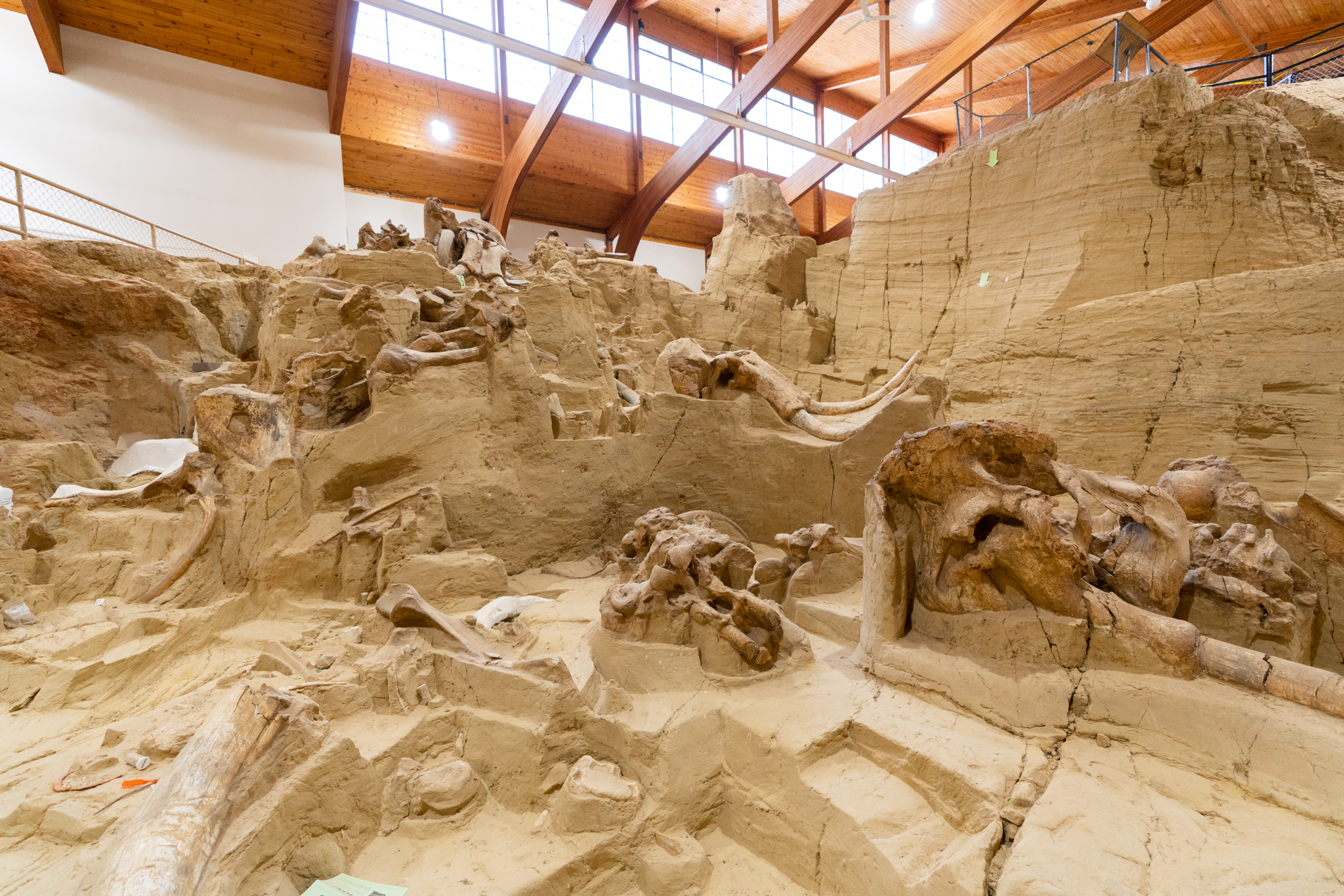
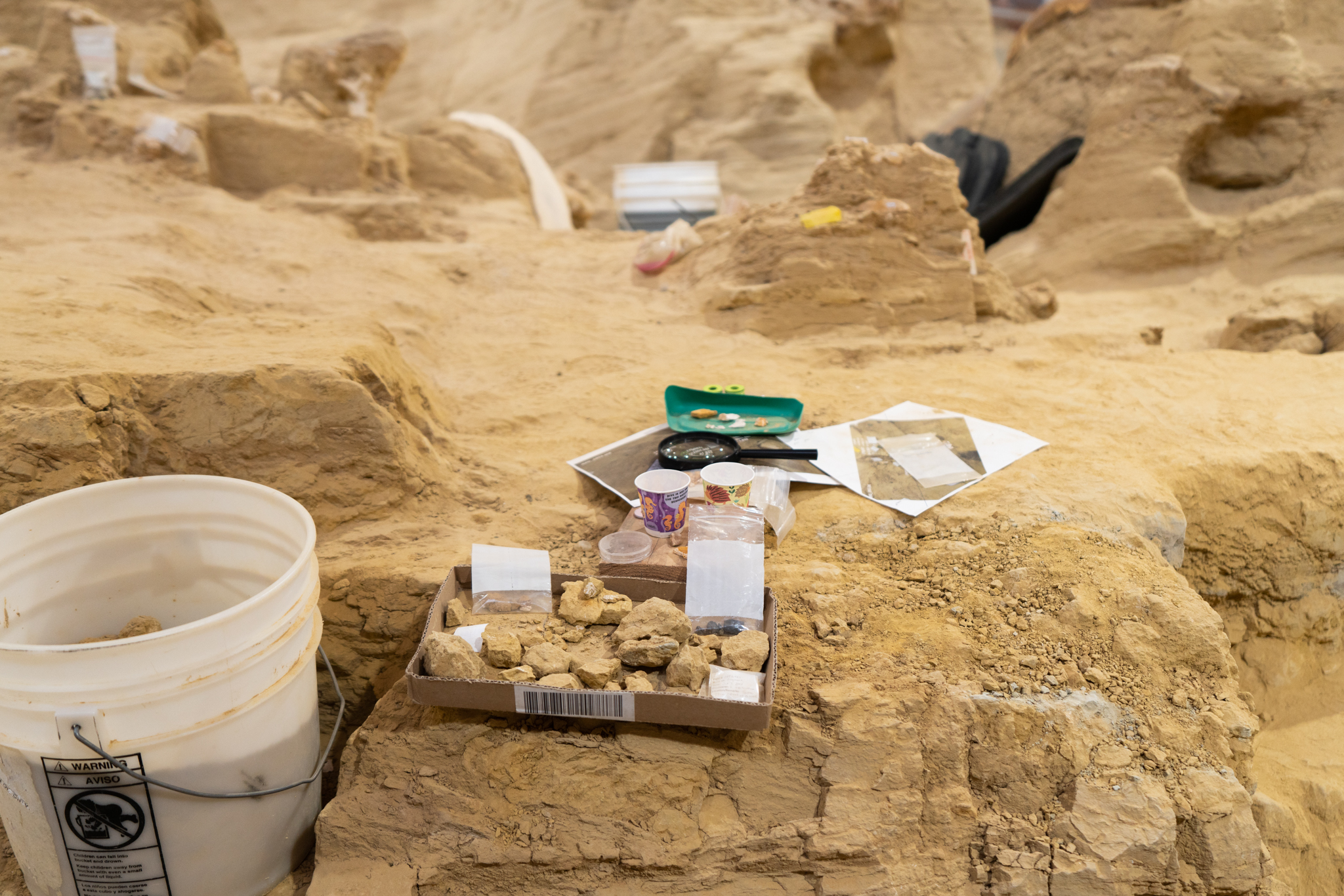
Just South of Wind Cave National Park in a small town called Hot Springs, lies the largest known concentration of mammoth remains in the world. Here! In South Dakota! This active archeological dig, simply called The Mammoth Site, has uncovered 61 mammoths along with 85+ other species. The animals became trapped in a sinkhole over the course of at least 150,000 years. If you’re into science or natural history in the least, you will find this site fascinating.

5. MINUTEMAN MISSILE NATIONAL HISTORIC SITE

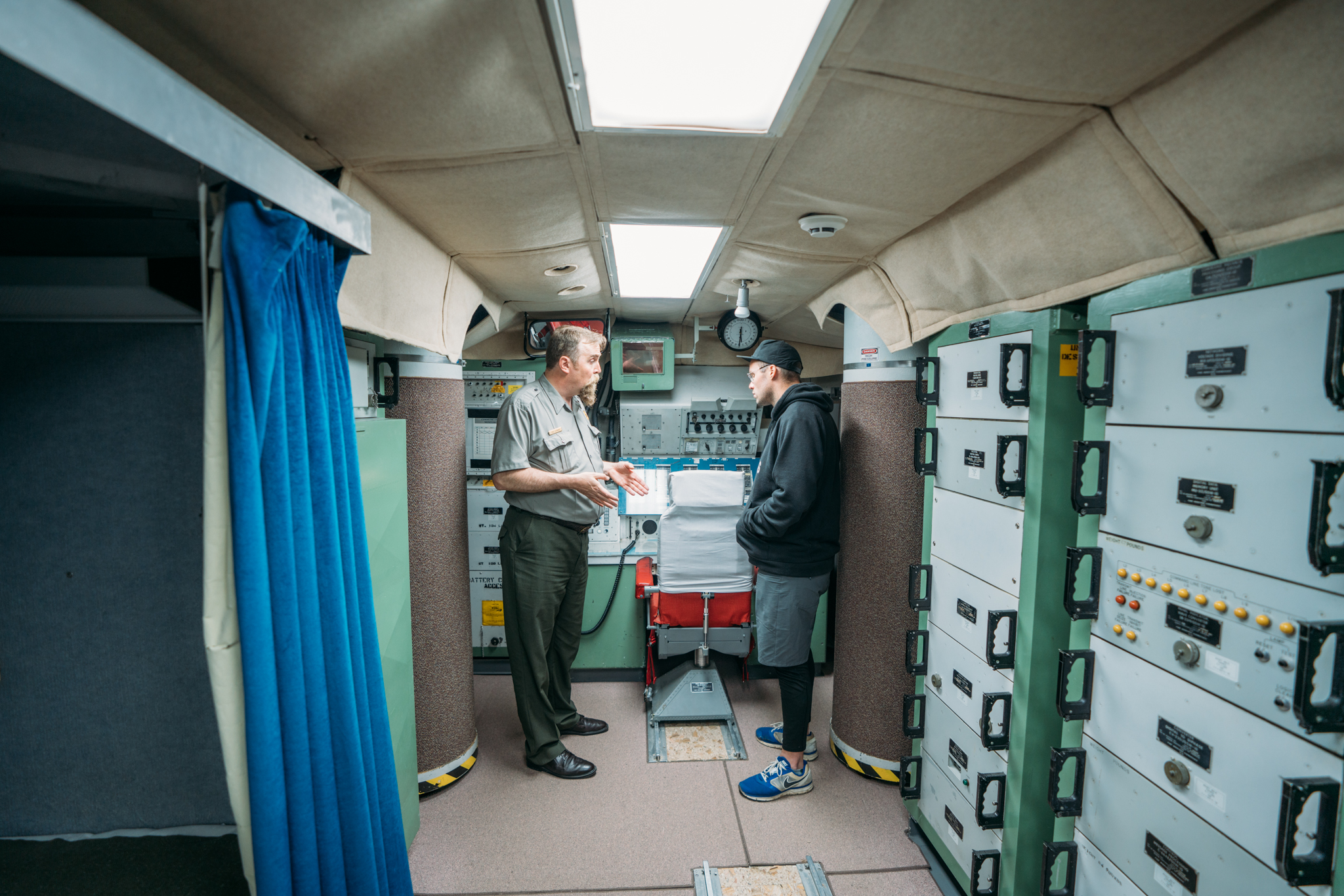
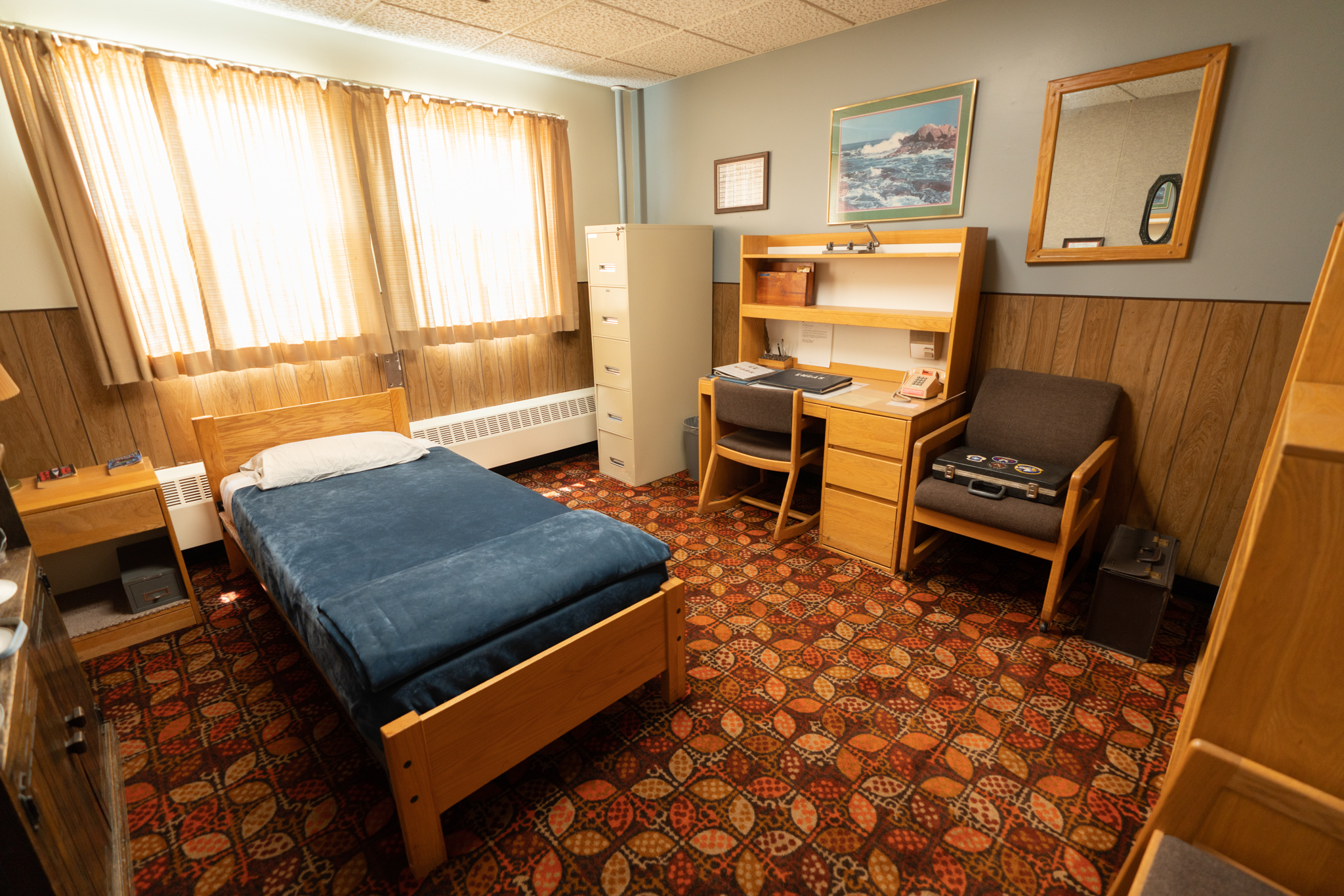
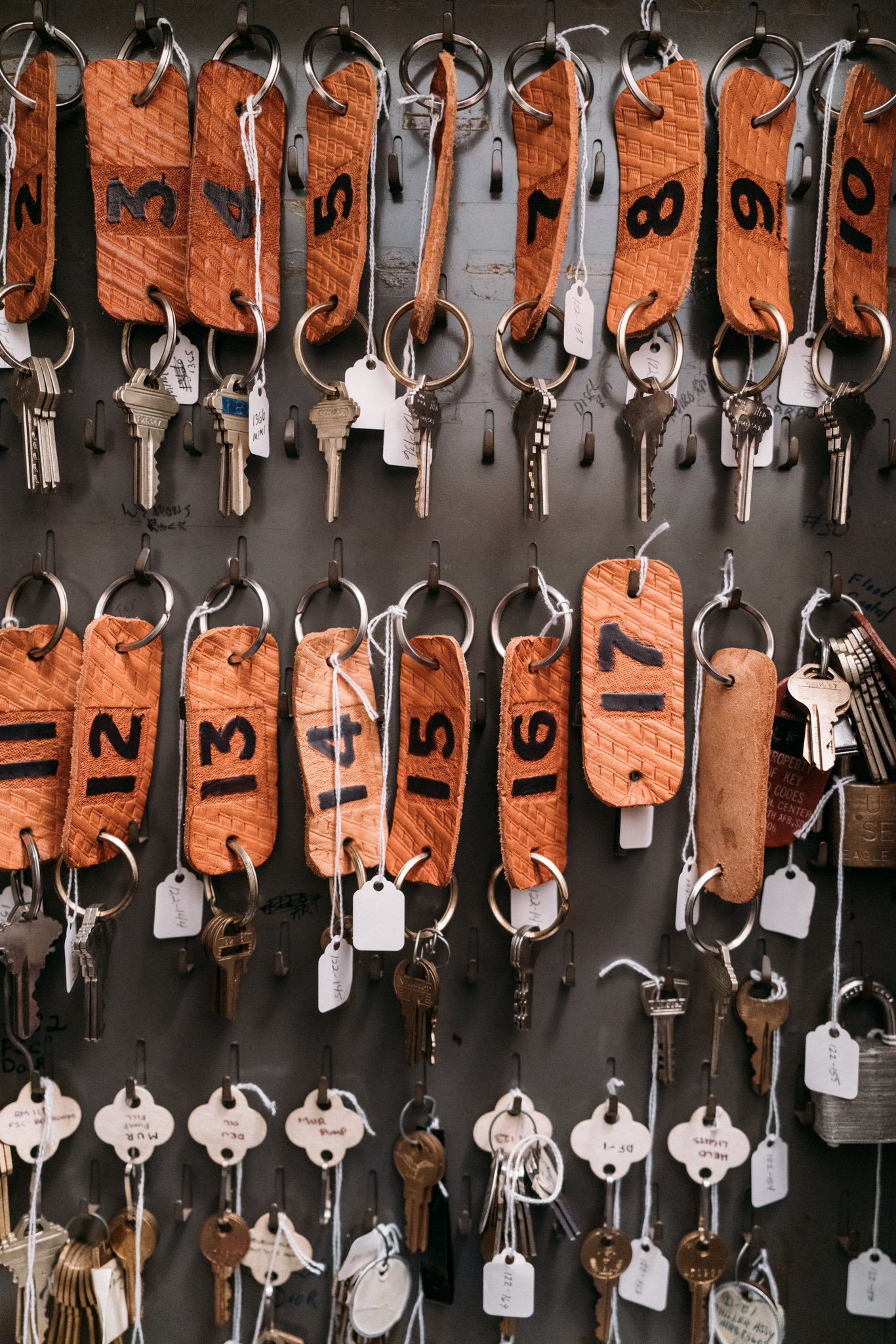
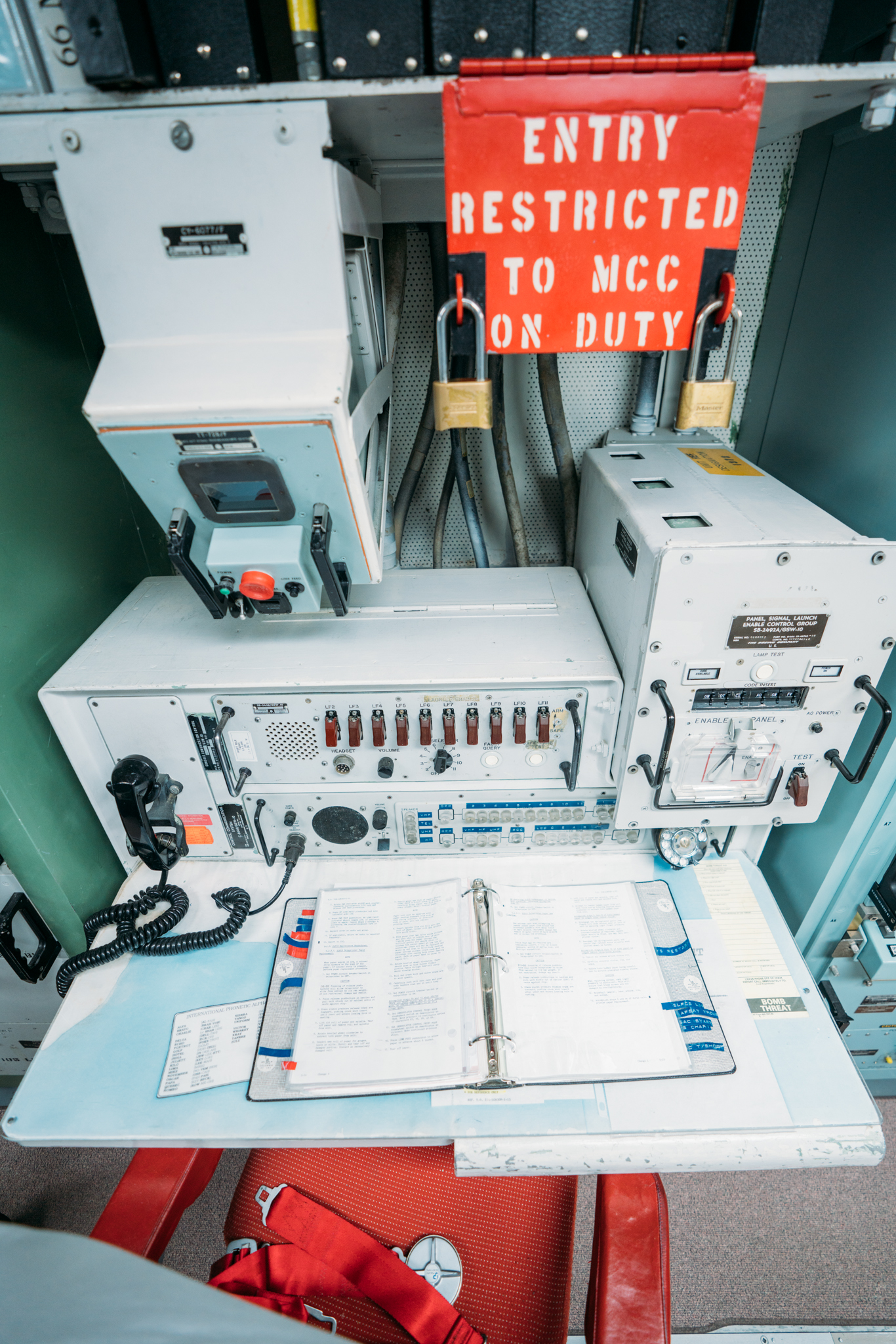
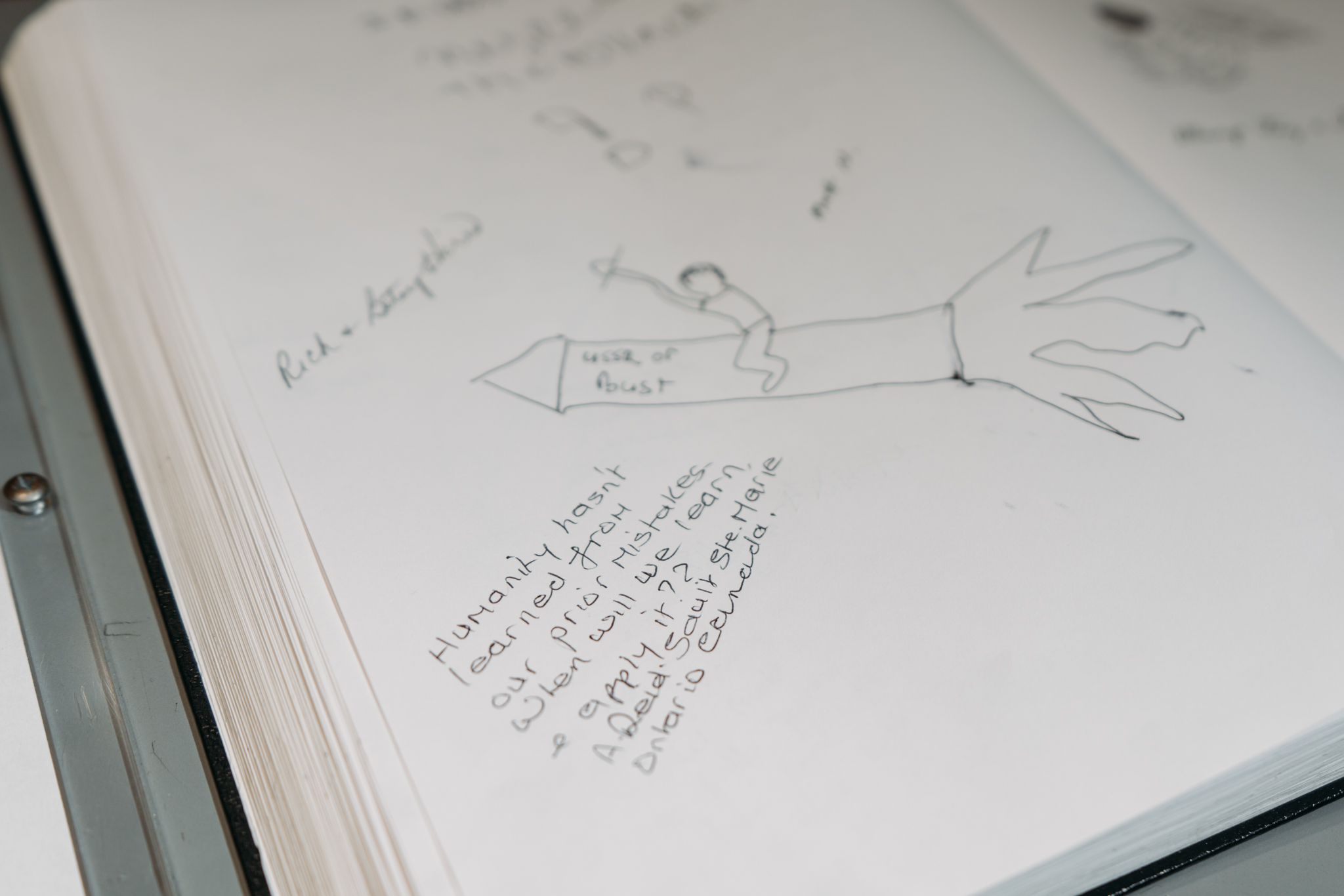
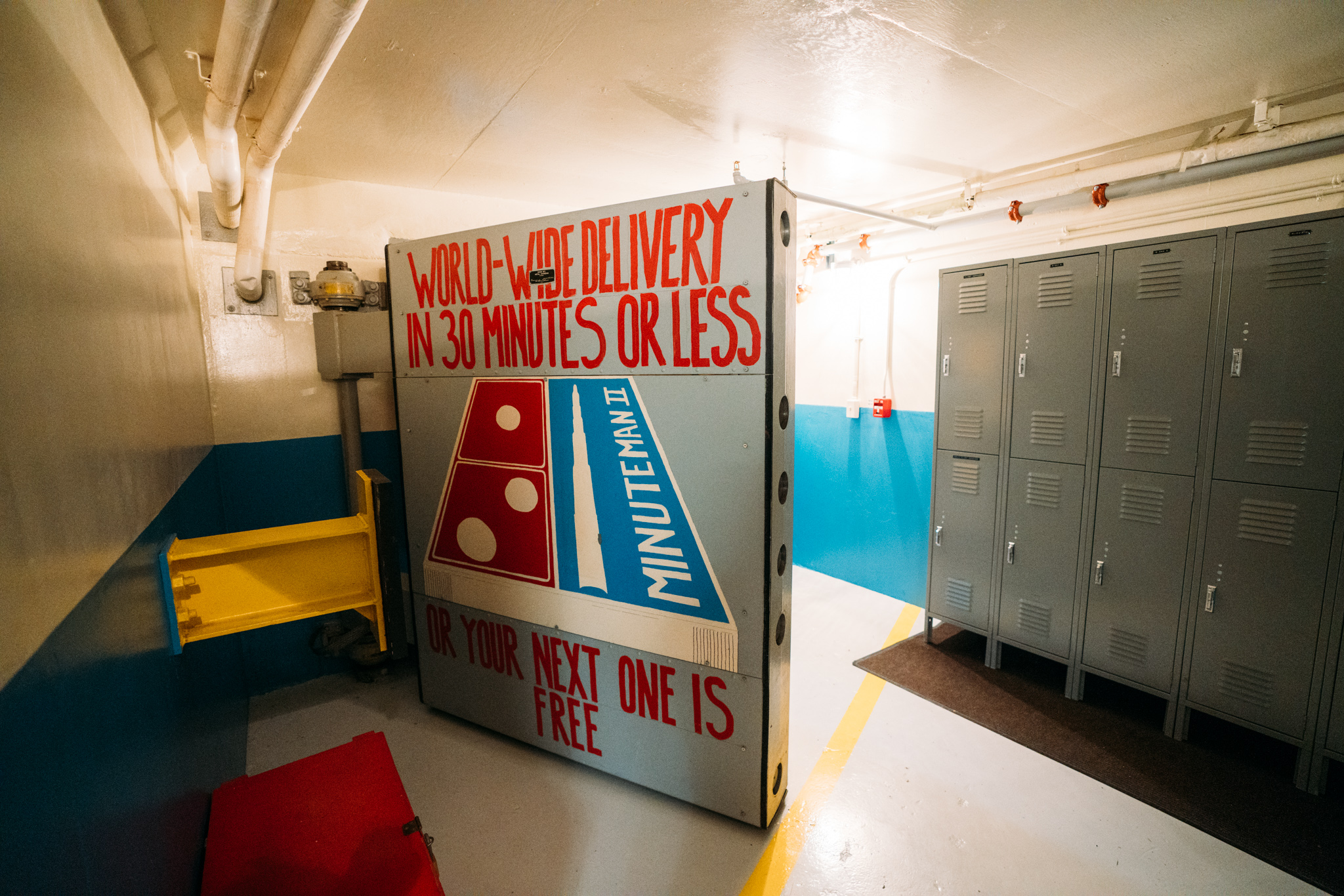
This was possibly the most surprising and interesting place I visited on my trip. The country’s youngest National Historic Site, Minuteman Missile Historic Site is spread out across several locations, all lying unassumingly beside the highway. If you didn’t know what to look for, you’d miss it completely! The Visitor’s Center is well done and tells the story of the Cold War from a human perspective. But in my opinion, the most interesting part requires a private tour. The Delta 1 Control Center once controlled 10 nuclear missiles, and I found it extremely compelling and surprisingly emotional. If you’ve got the privilege of planning, book a private tour through this piece of American history. Regardless of where you stand on the topic of war, the stories here are presented in an objective way, allowing you room to think and feel.

In the Delta-01 Launch Control Facility with Eric, the Superintendent

4. CUSTER STATE PARK

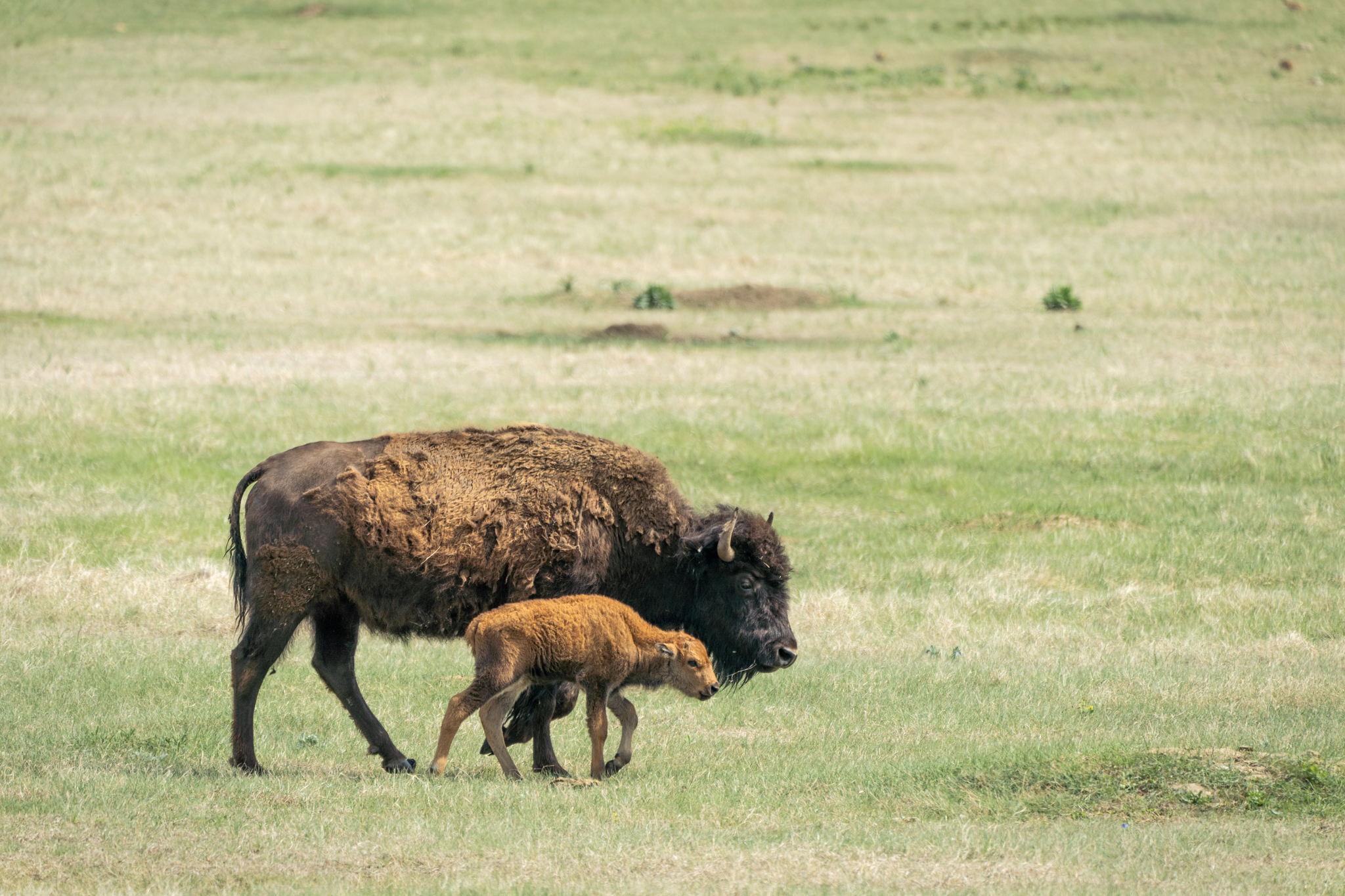
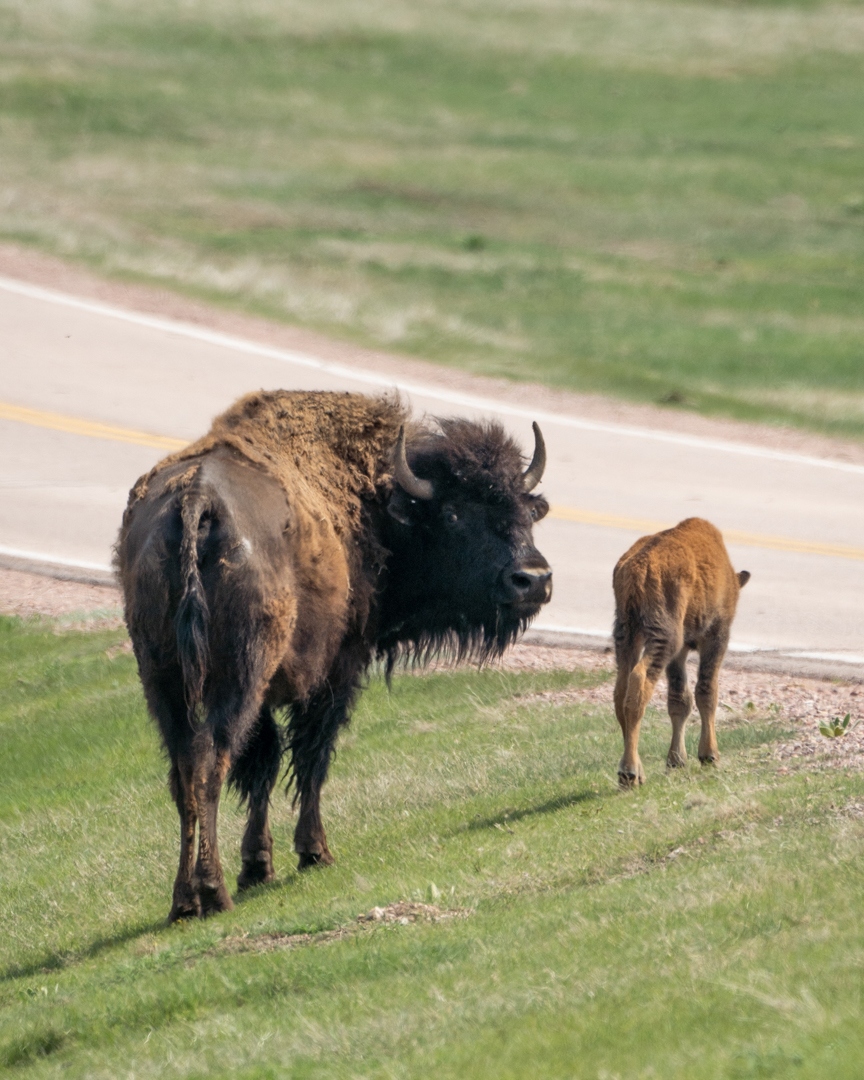
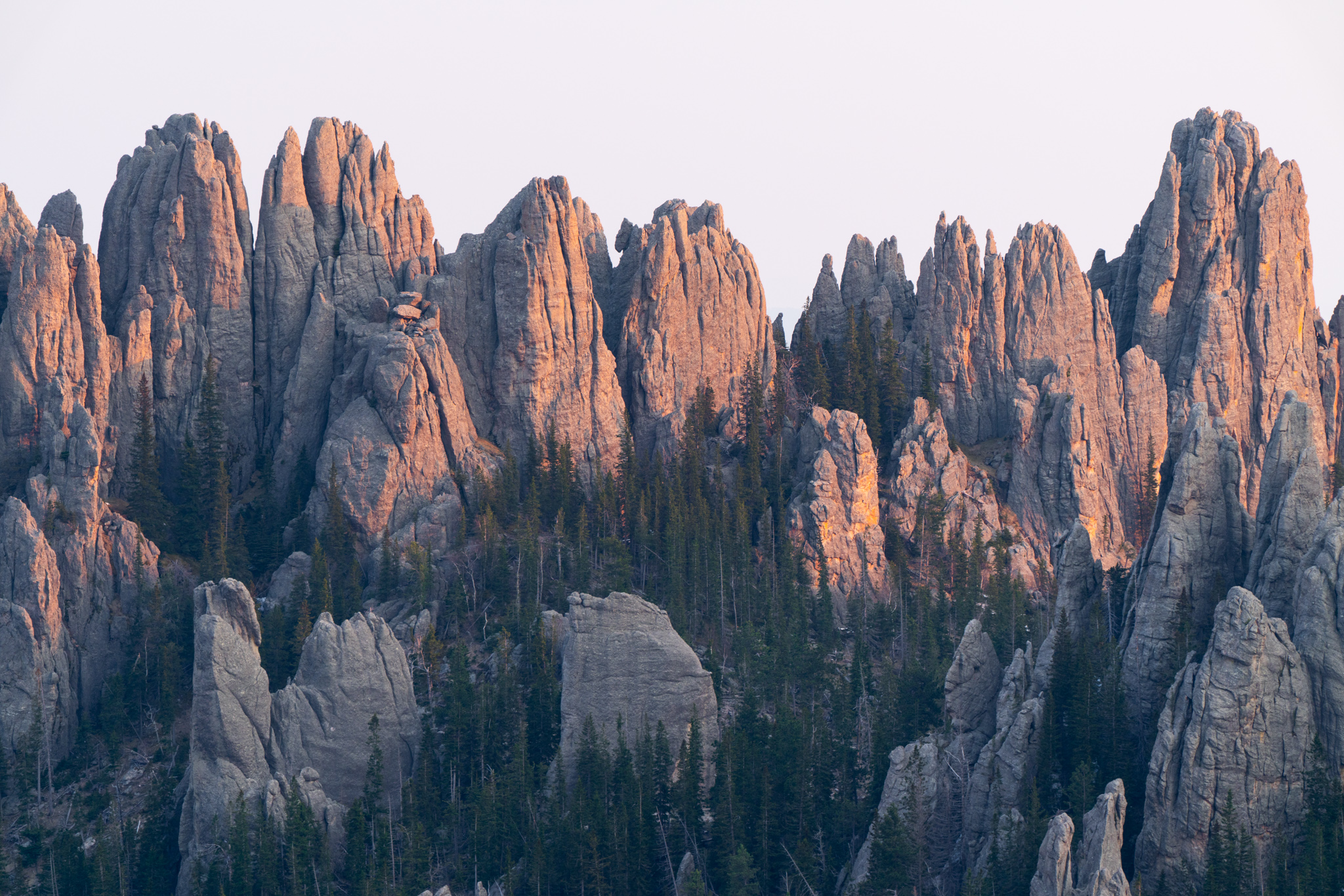
One of the biggest State Parks in the country at 71,000 acres, Custer State Park is a treat for a wildlife enthusiast like myself. But it’s not just for wildlife–– Custer is a great place for camping, hiking, biking, and swimming. Wildlife Loop Road is the place to be for Bison. The Needles Highway is a nice drive featuring some interesting rock formations and views of the forest.

3. BLACK ELK PEAK

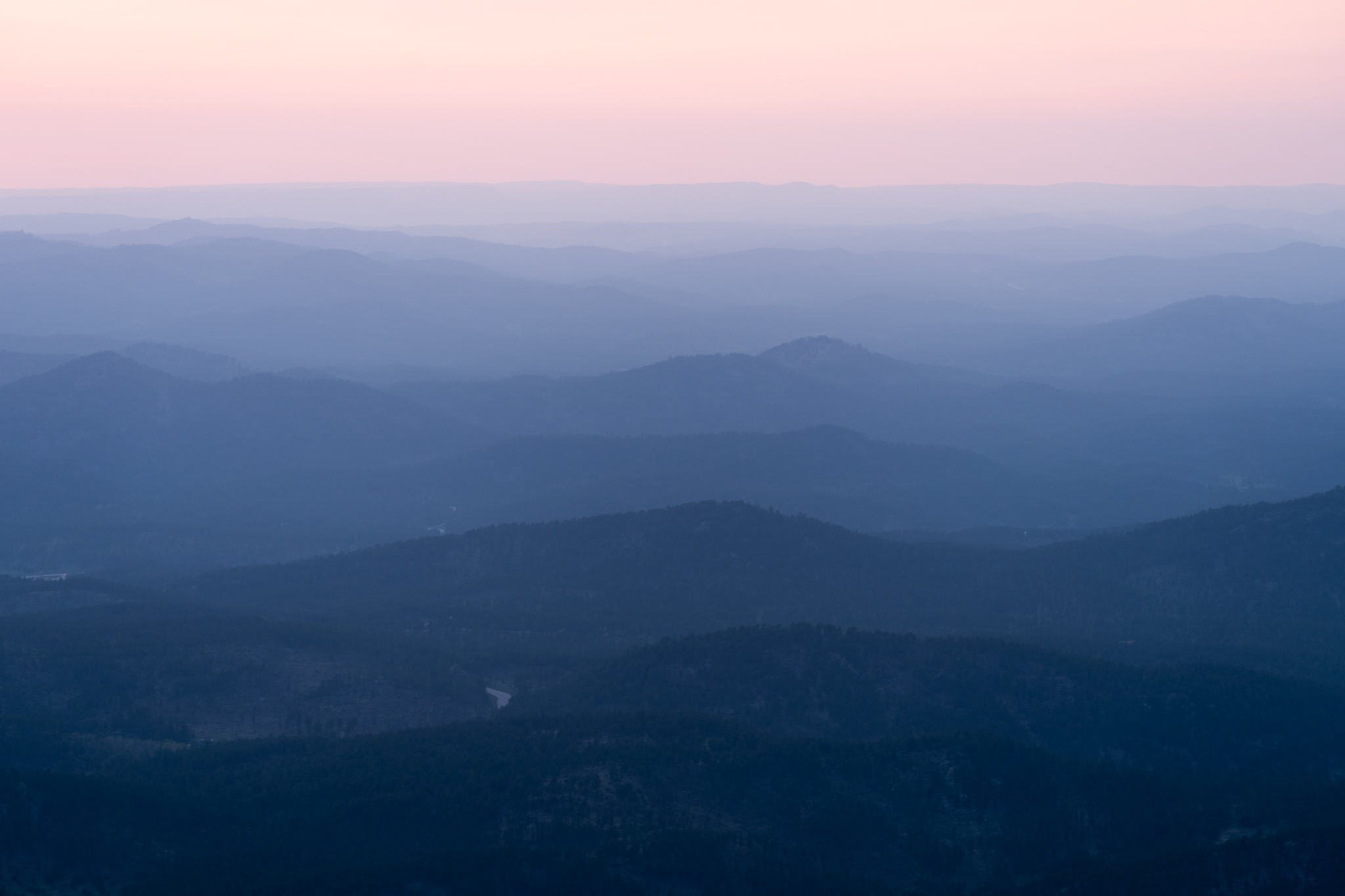
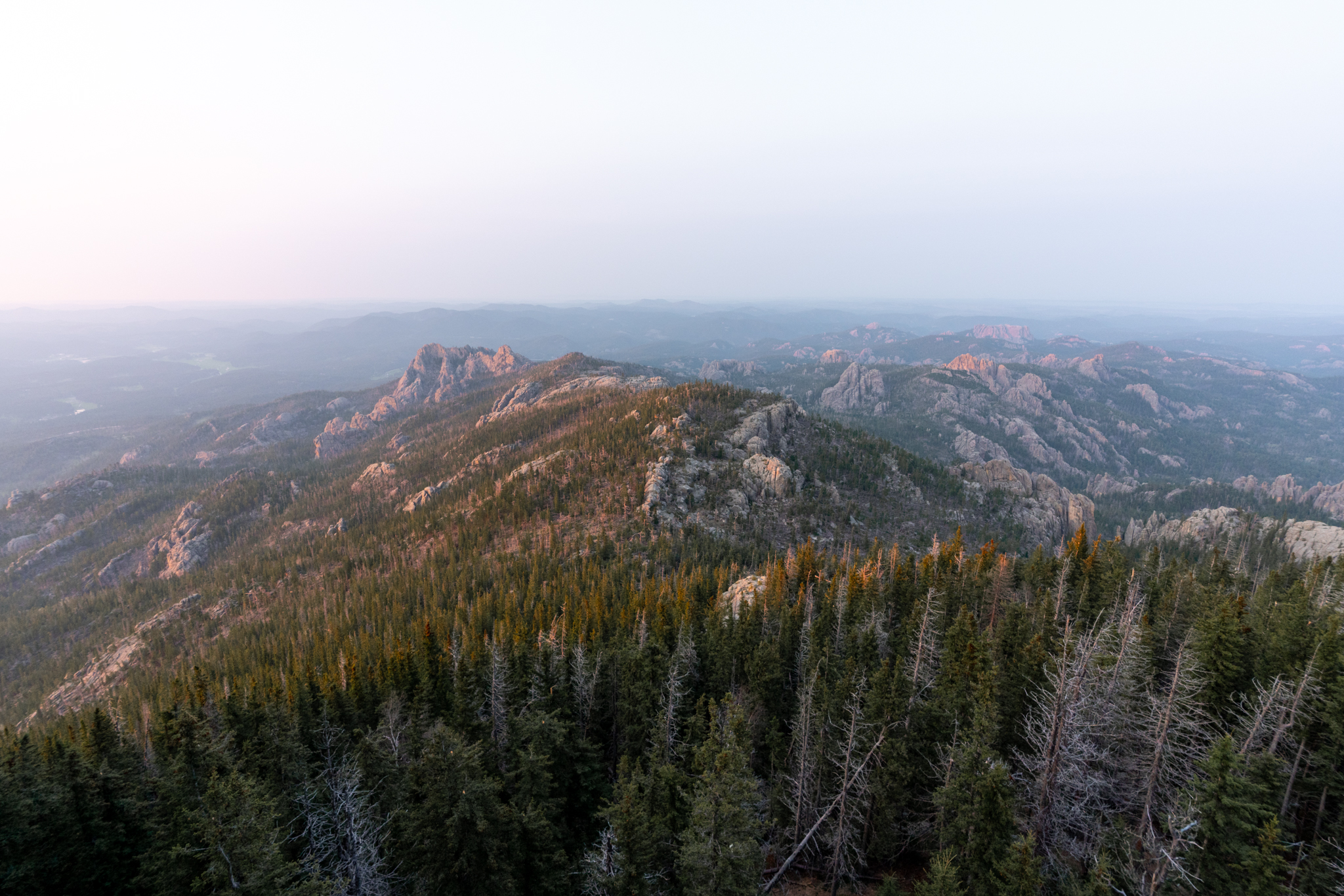
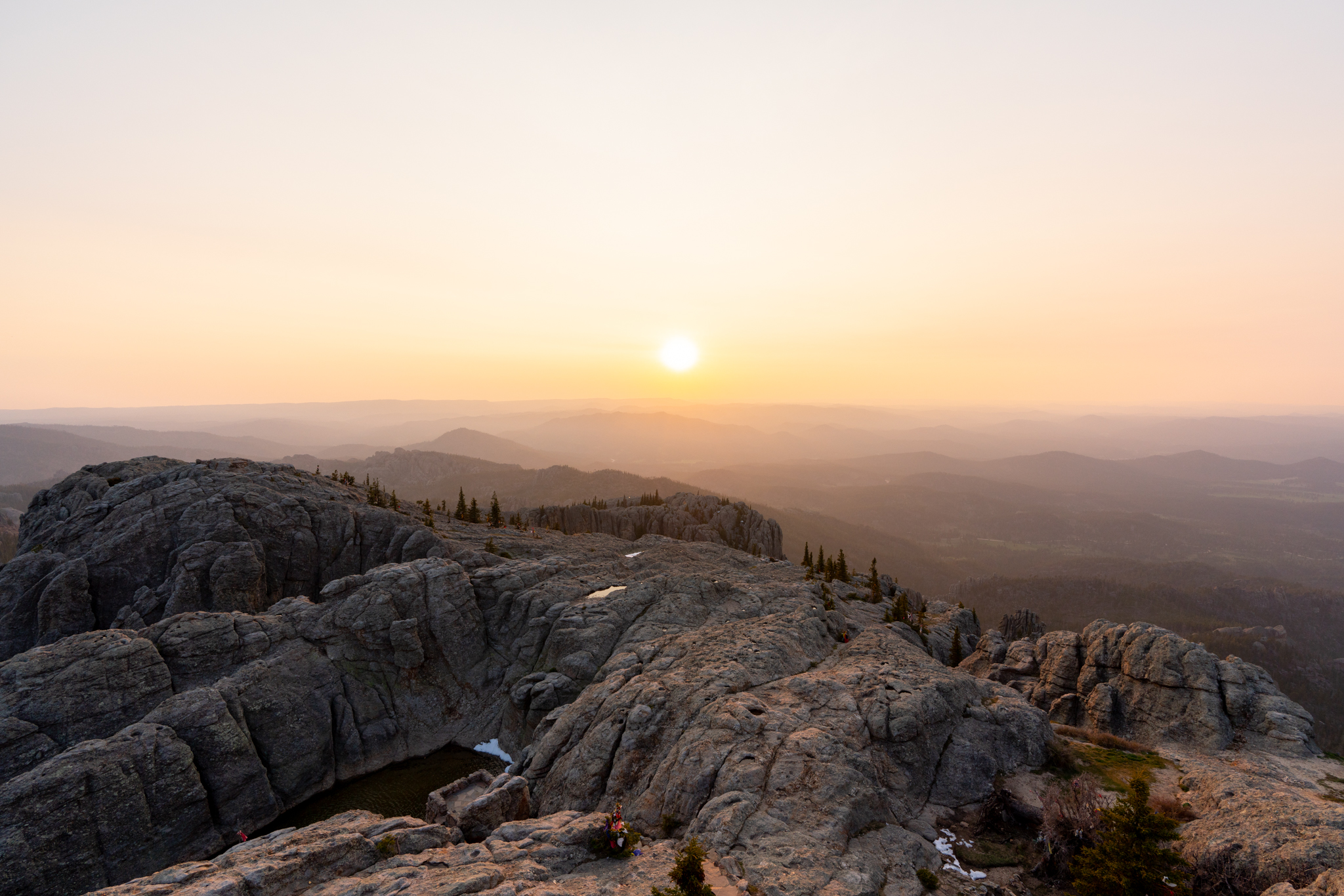
It’s in Custer State Park, but this hike is special enough to get its own point. This is a beautiful and heart-pumping way to spend an afternoon. I’d recommend heading up to the lookout for sunset, allowing 3-4 hours for the round-trip hike so you have time to take in the views. Remember your headlamps as it’ll surely be dark by the time you get back to your car. If you’re looking for a place to stay nearby, the cabins at Sylvan Lake Lodge are cozy and the food is excellent. (PS – I recommend using the AllTrails app for hiking. Here’s a link to the Black Elk Peak maps.)

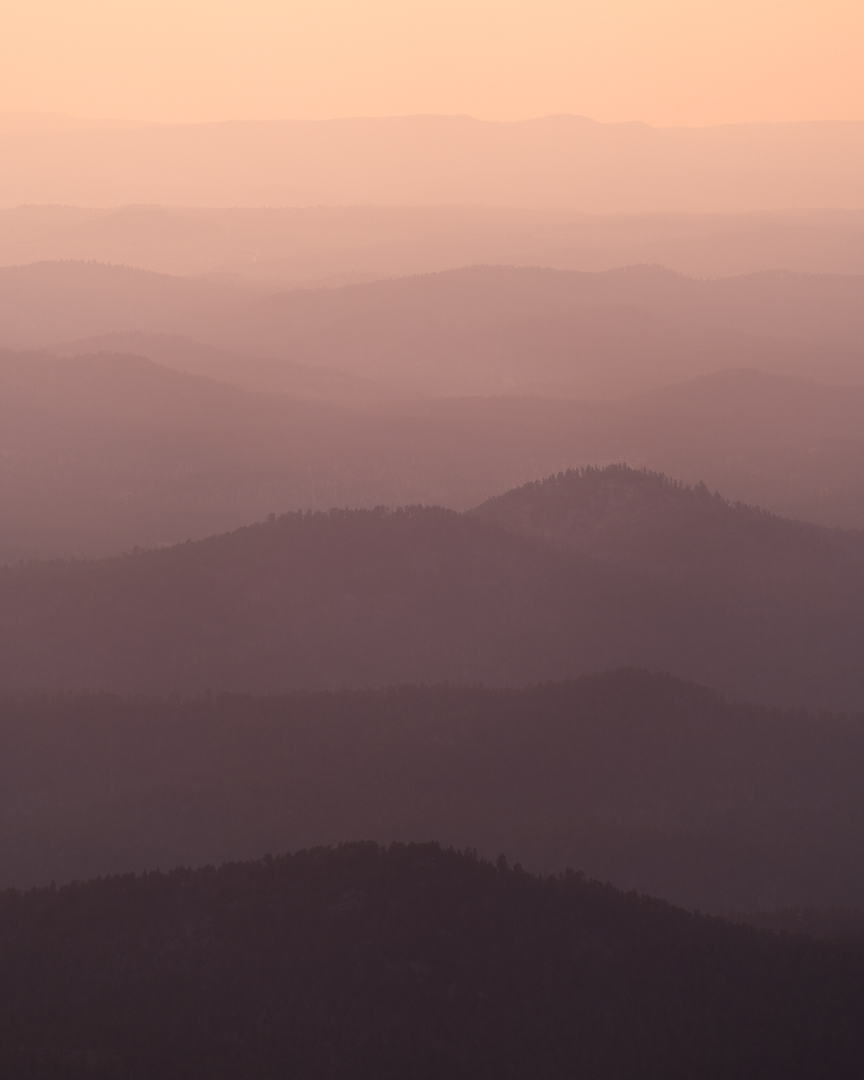
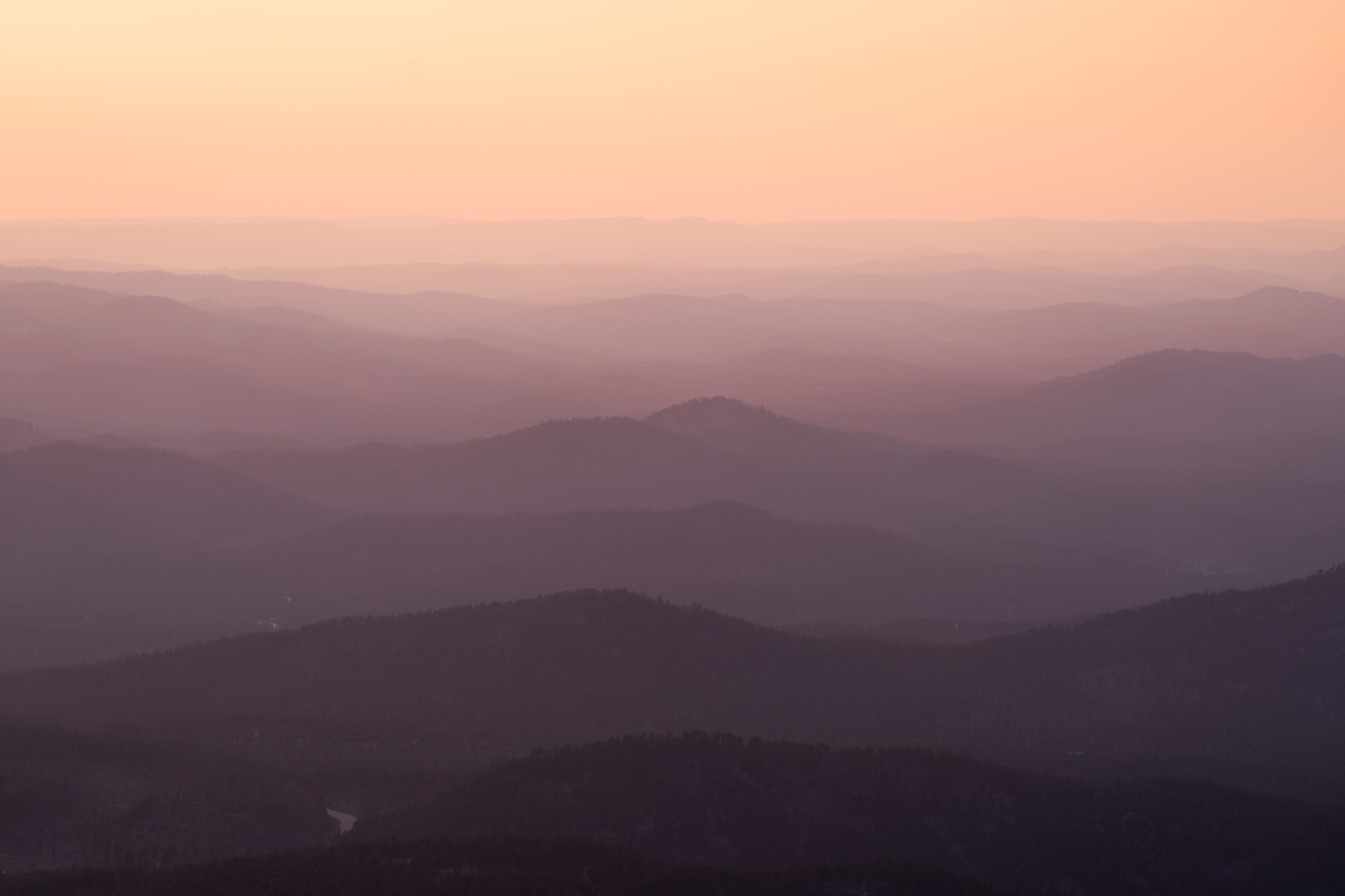
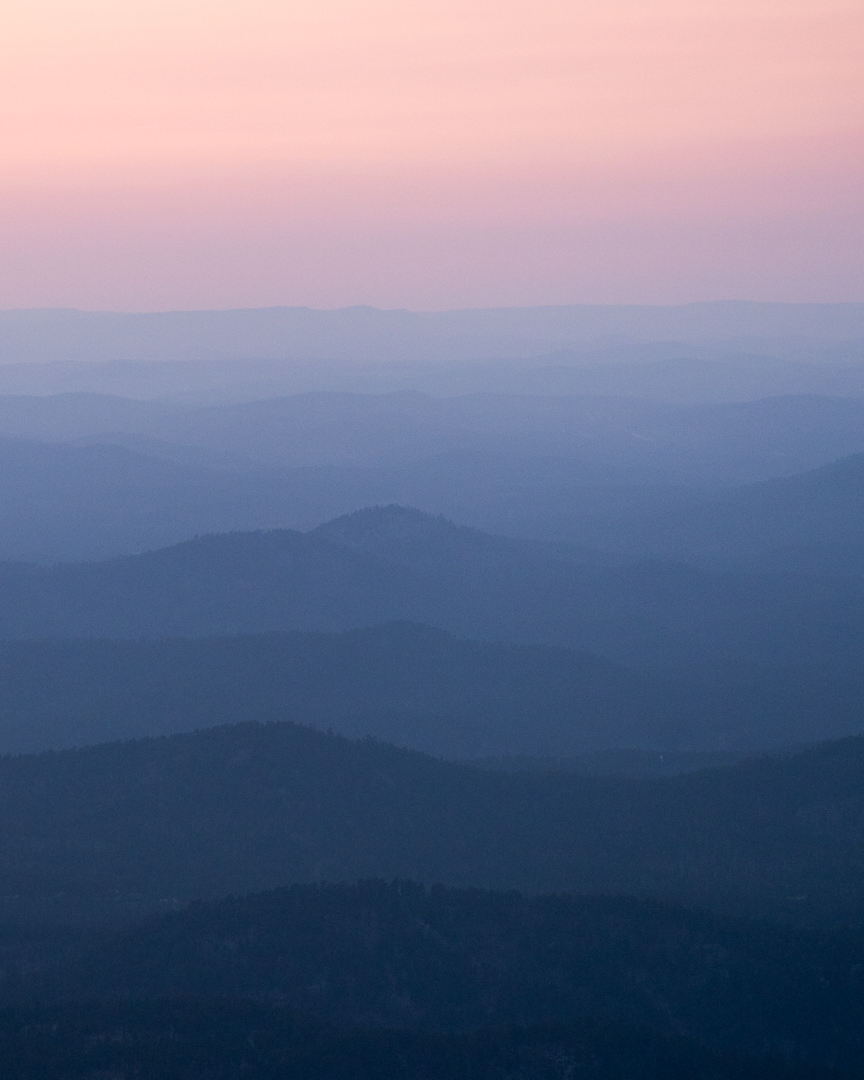
Layers from the summit of Black Elk Peak.

2. CRAZY HORSE MEMORIAL

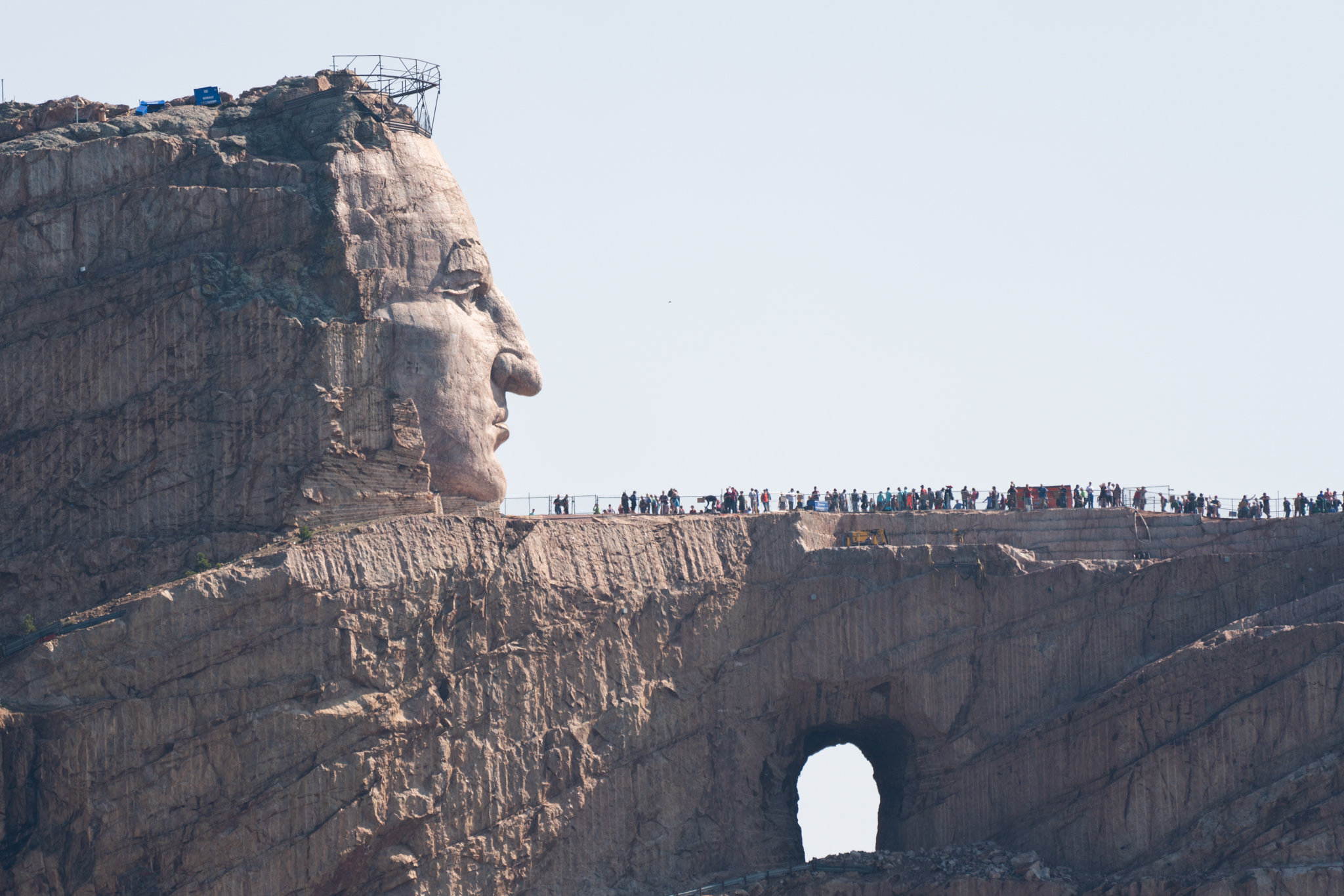
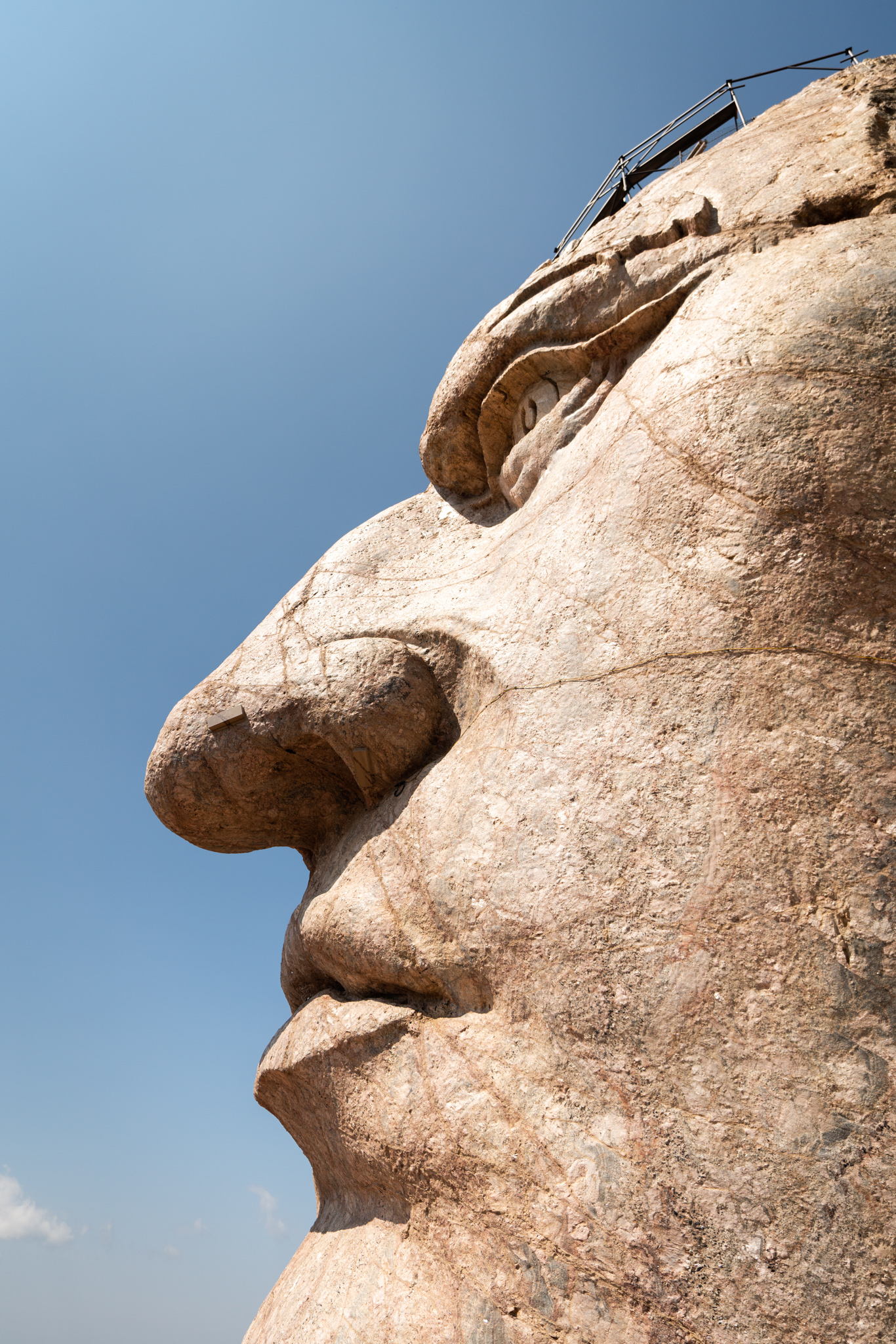
Much of South Dakota is traditionally Lakota land, and it is definitely possible to learn about their culture & traditions throughout the state. Crazy Horse was a famous Lakota warrior, and his memorial has been in progress since 1948. Interestingly, there are actually no photos of Crazy Horse, so the carving is based on descriptions and not photographic evidence of his appearance. Opinions differ on the memorial, even among local Lakota people. In any case, the carving itself is giant and imposing, and in my opinion, worth a visit to take it in for yourself. The museum is also full of interesting information, art, and history. Our last morning coincided with Volksmarch, a group hike that happens twice a year at Crazy Horse Memorial. It was great to hike up to the face and get a closer look. If you’ve got time after your visit, stop by Black Hills Burger & Bun for lunch–– apparently the best burger in the world.

1. BADLANDS NATIONAL PARK

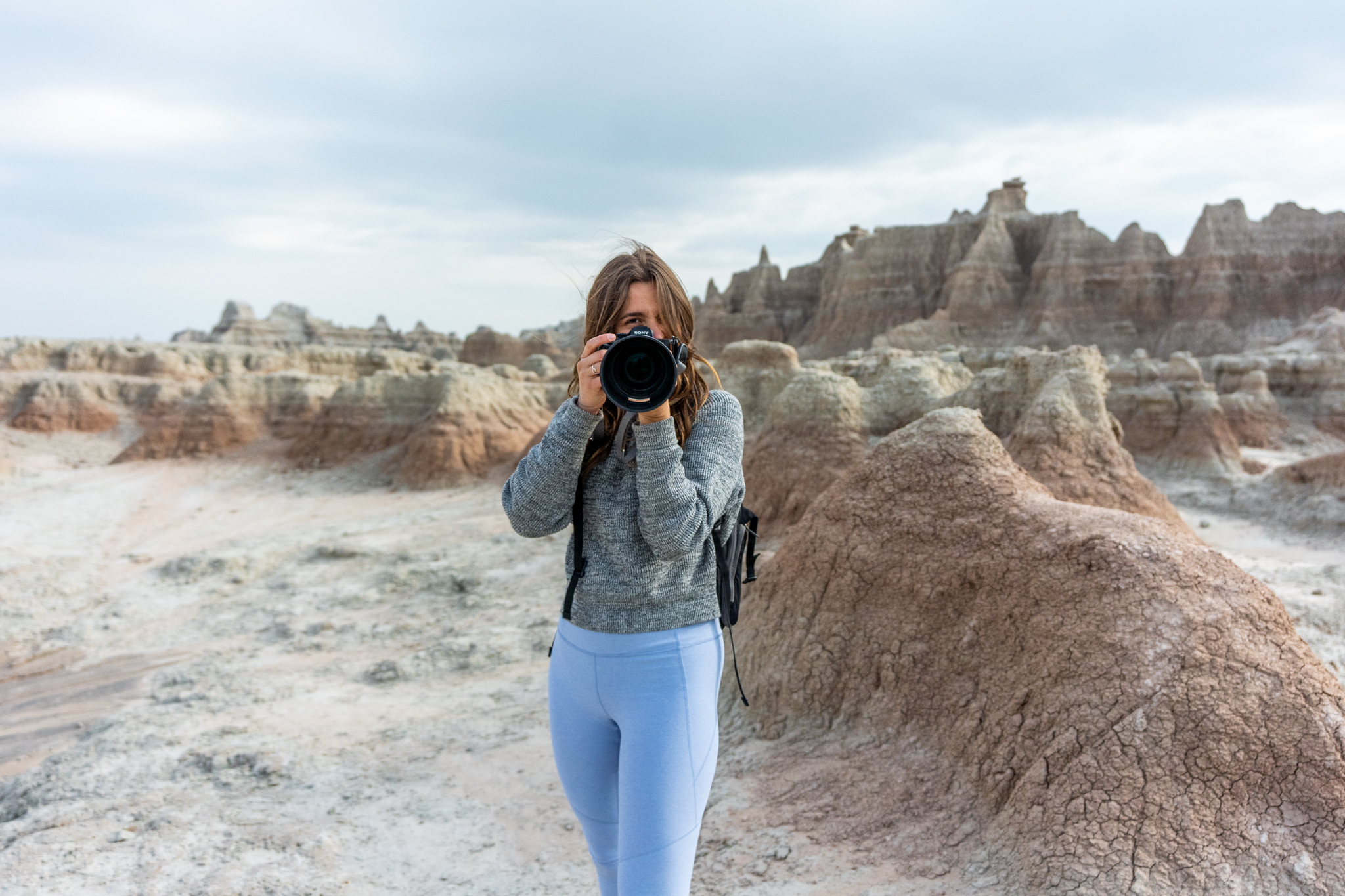
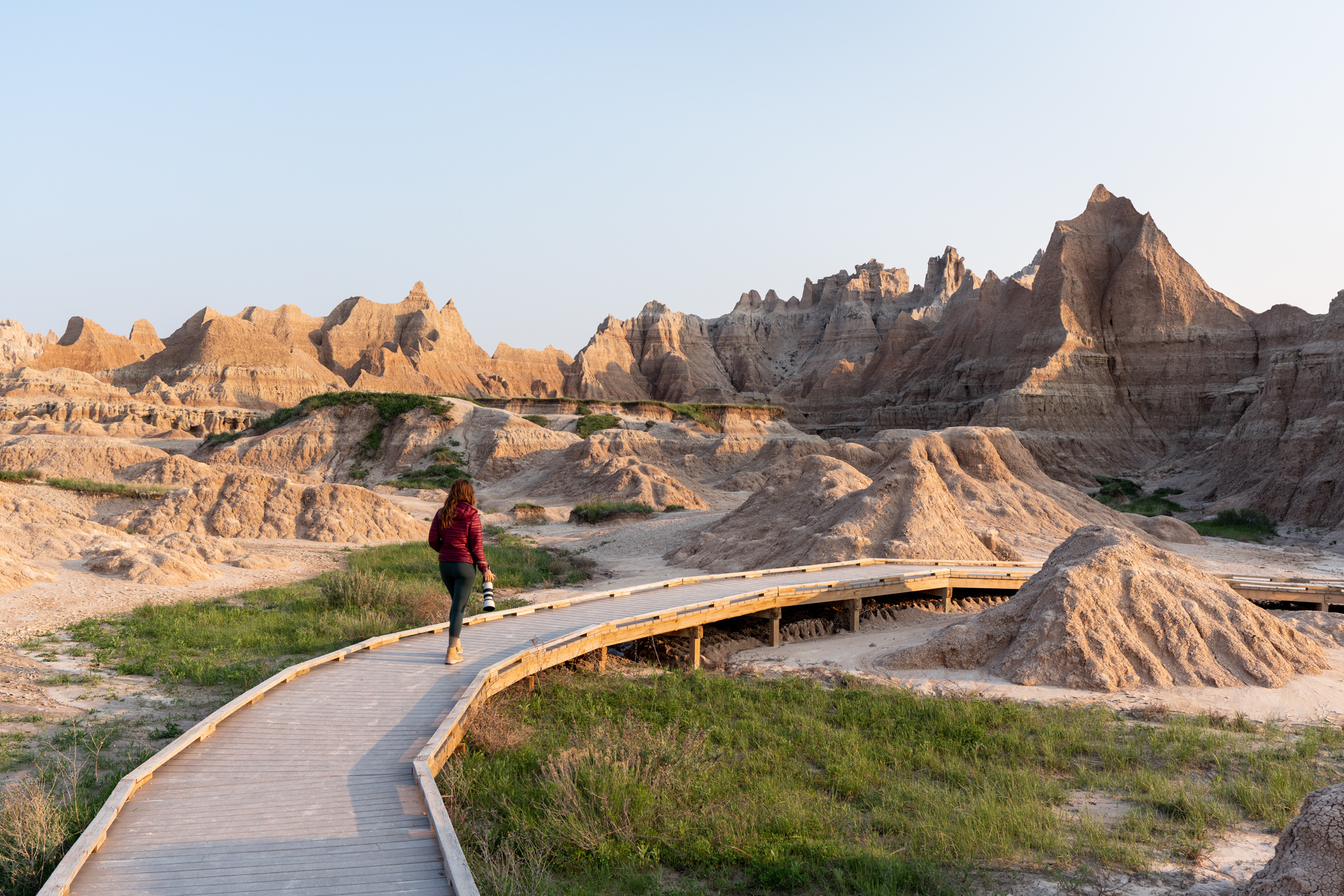
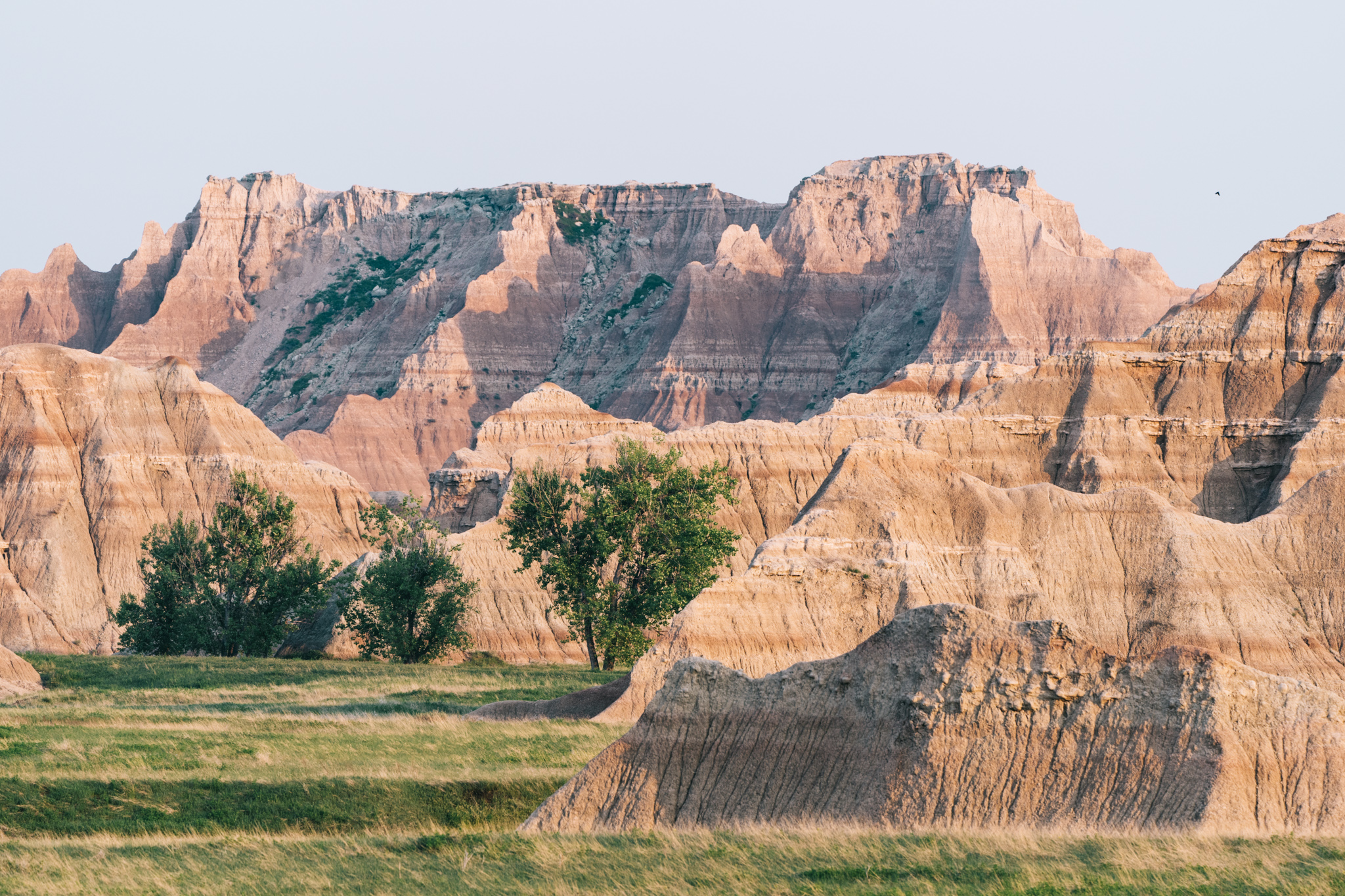
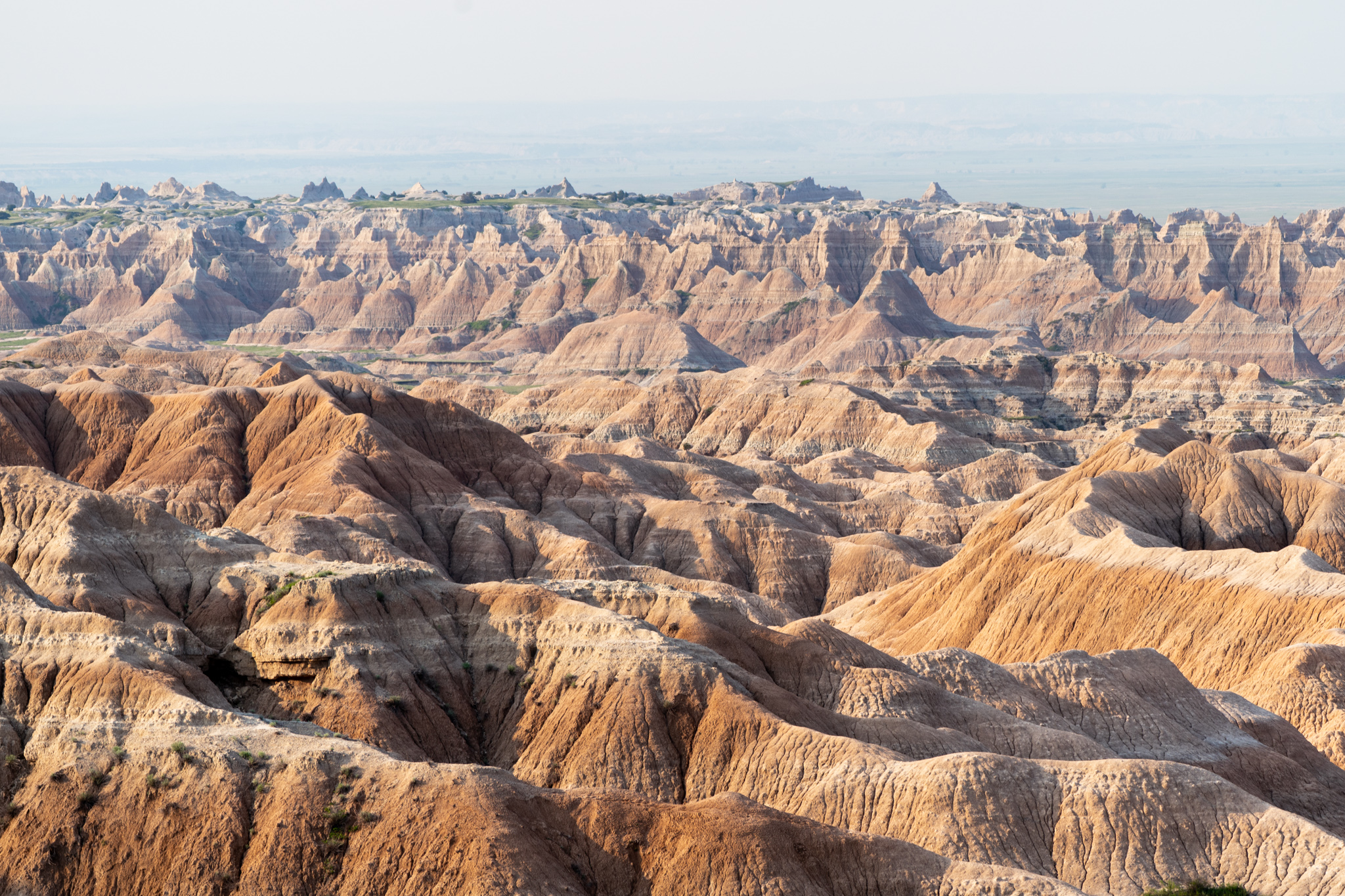
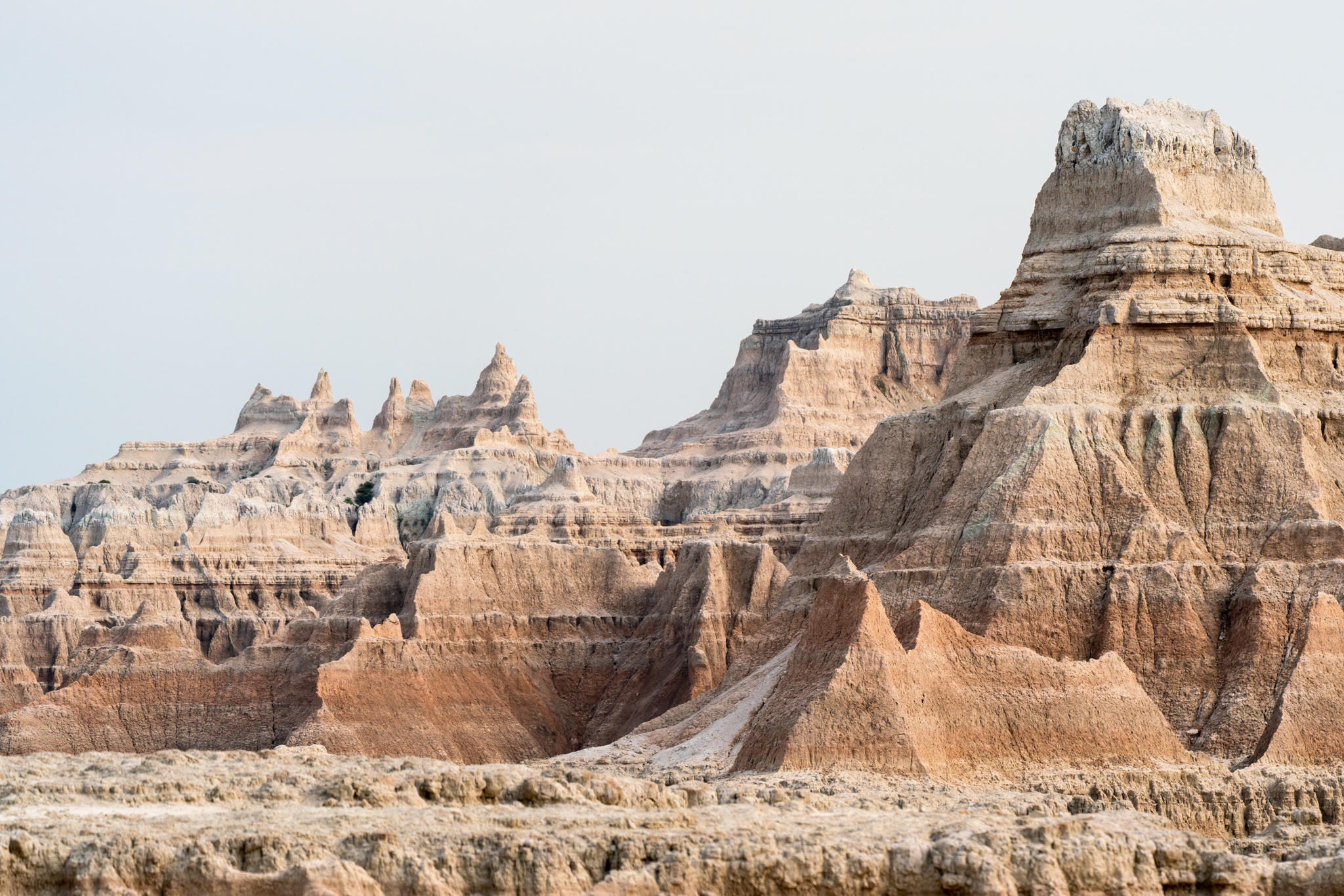
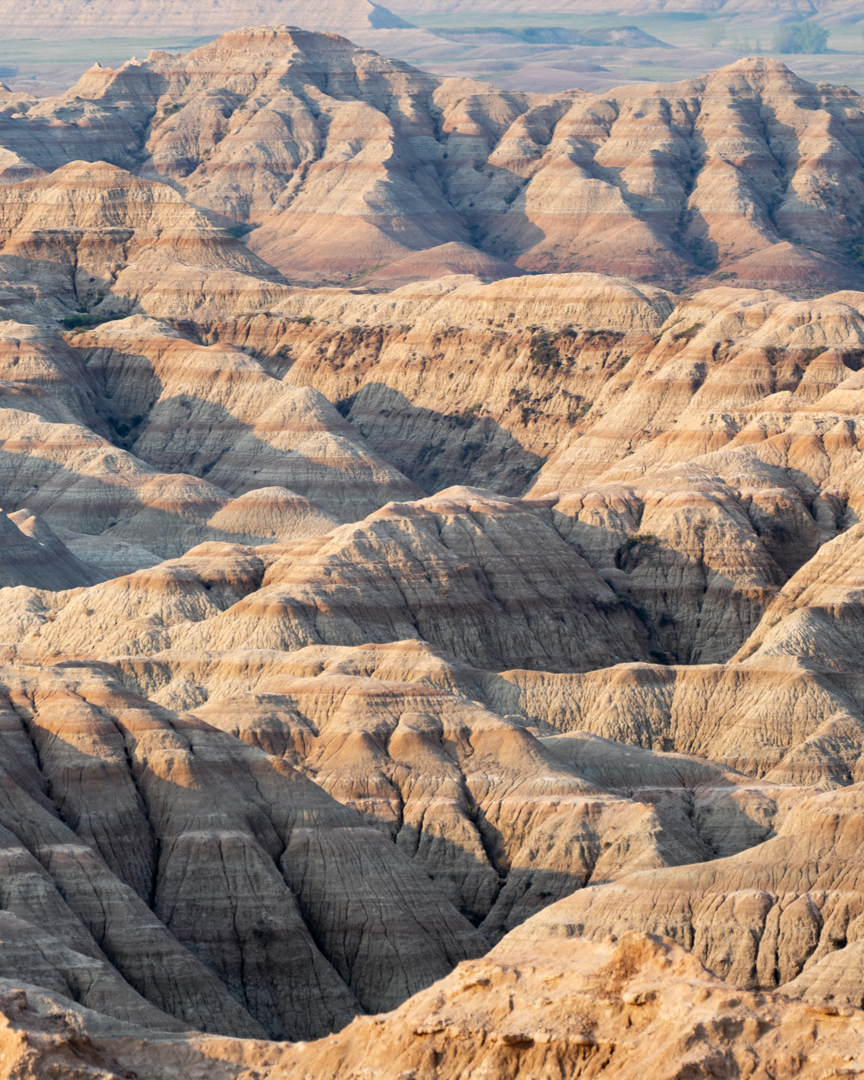
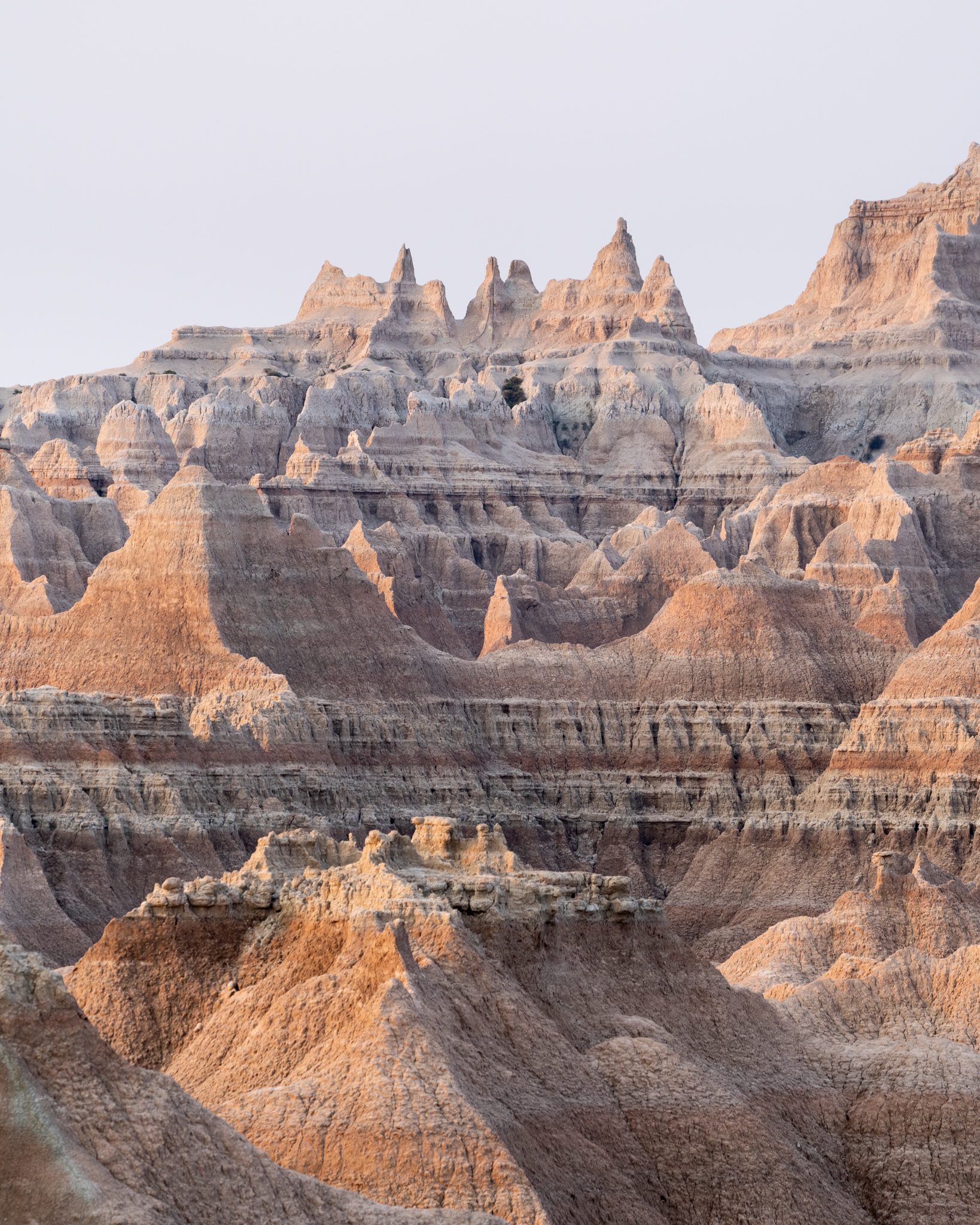
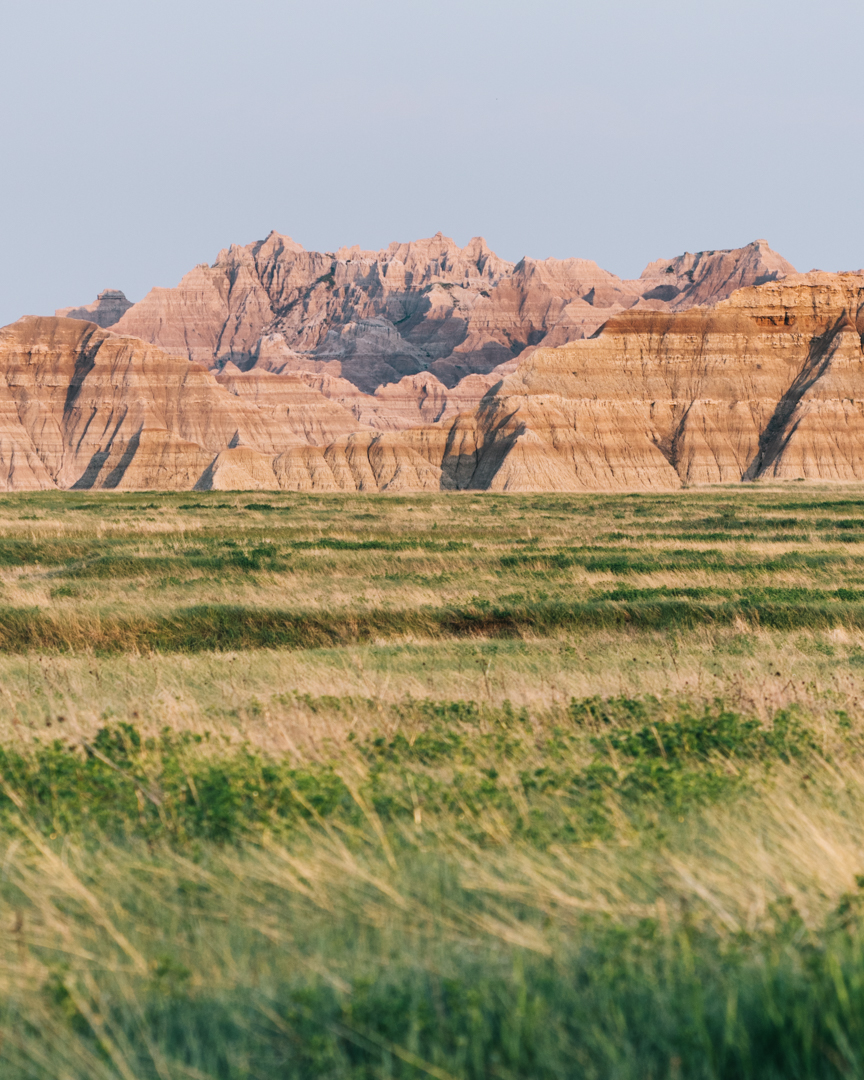
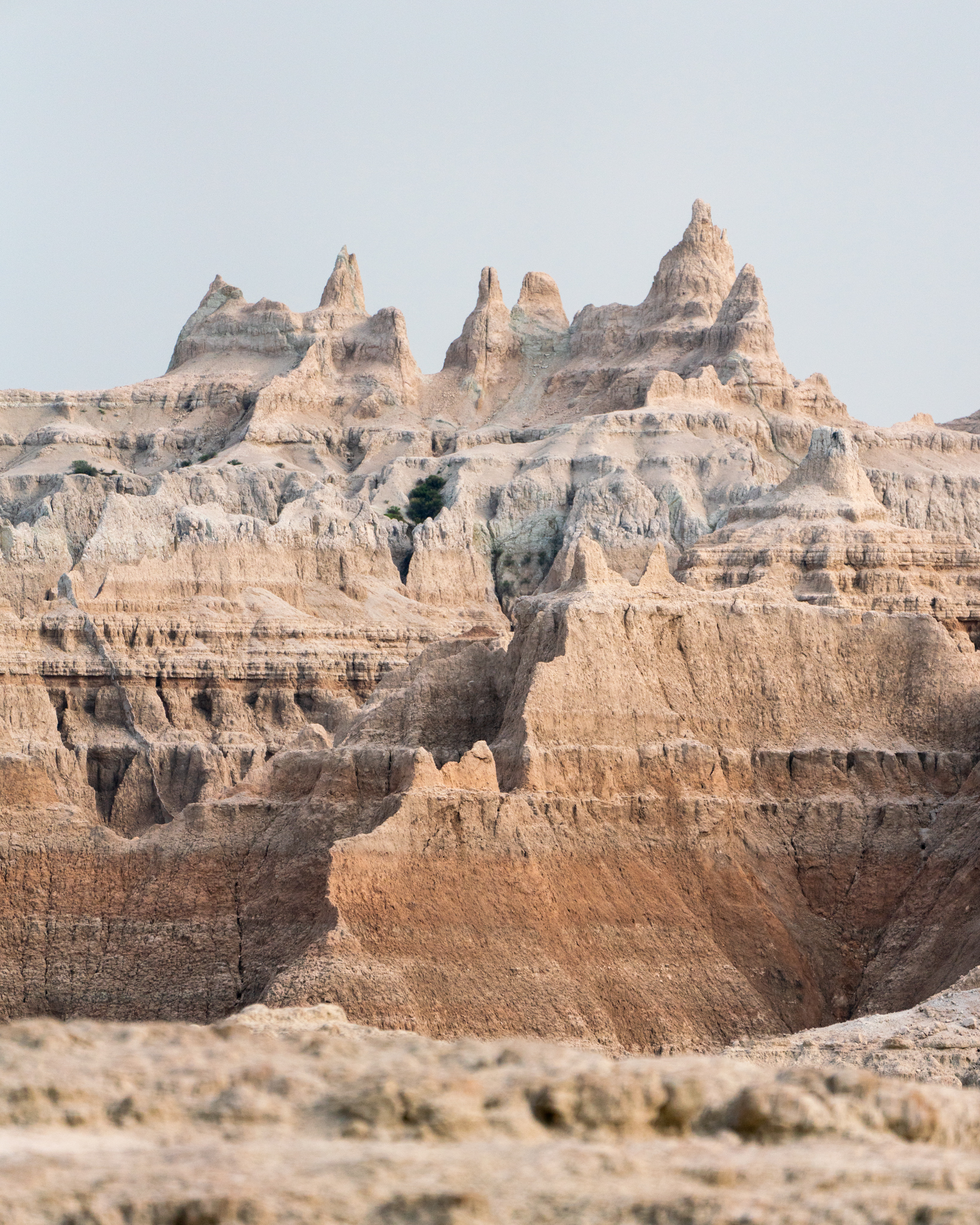
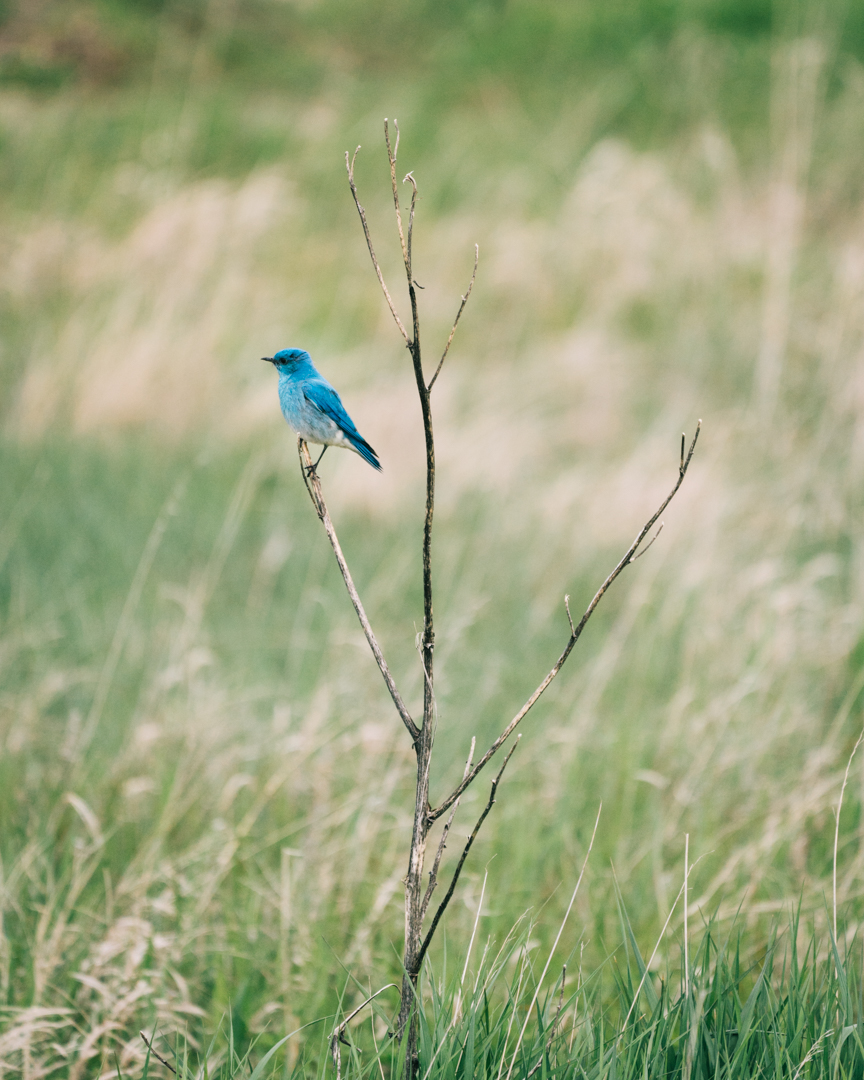
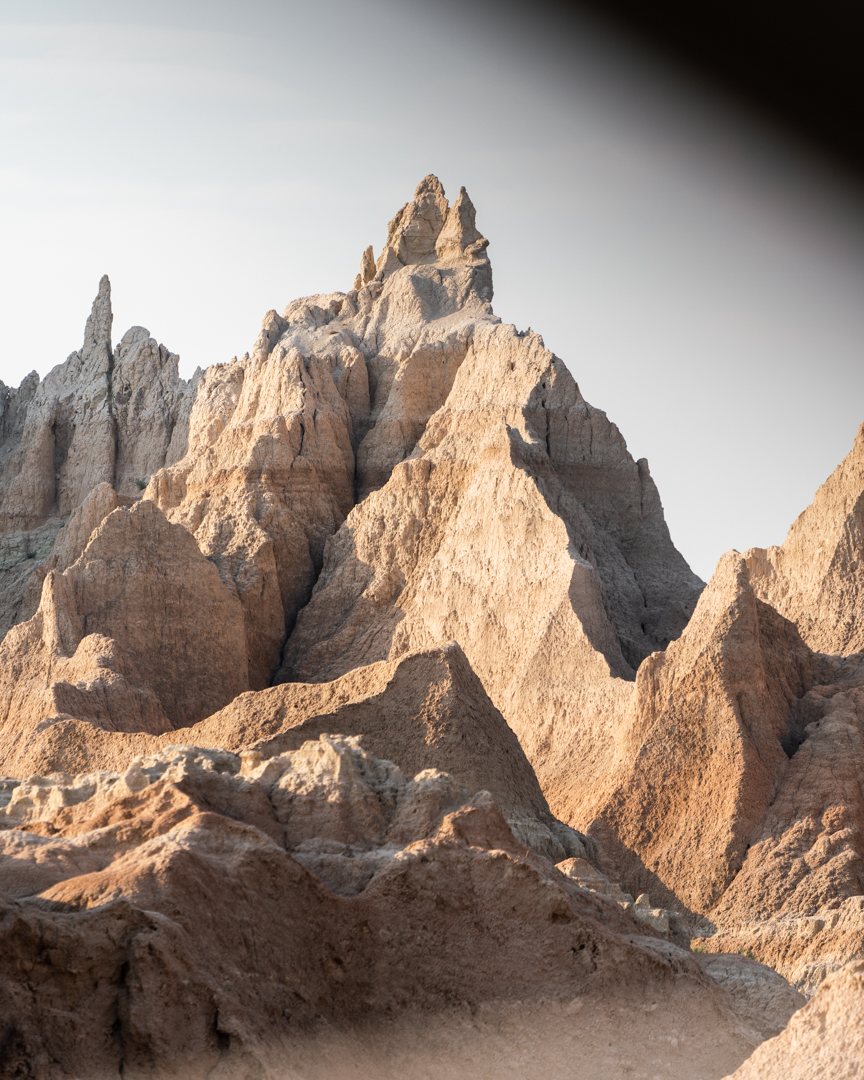
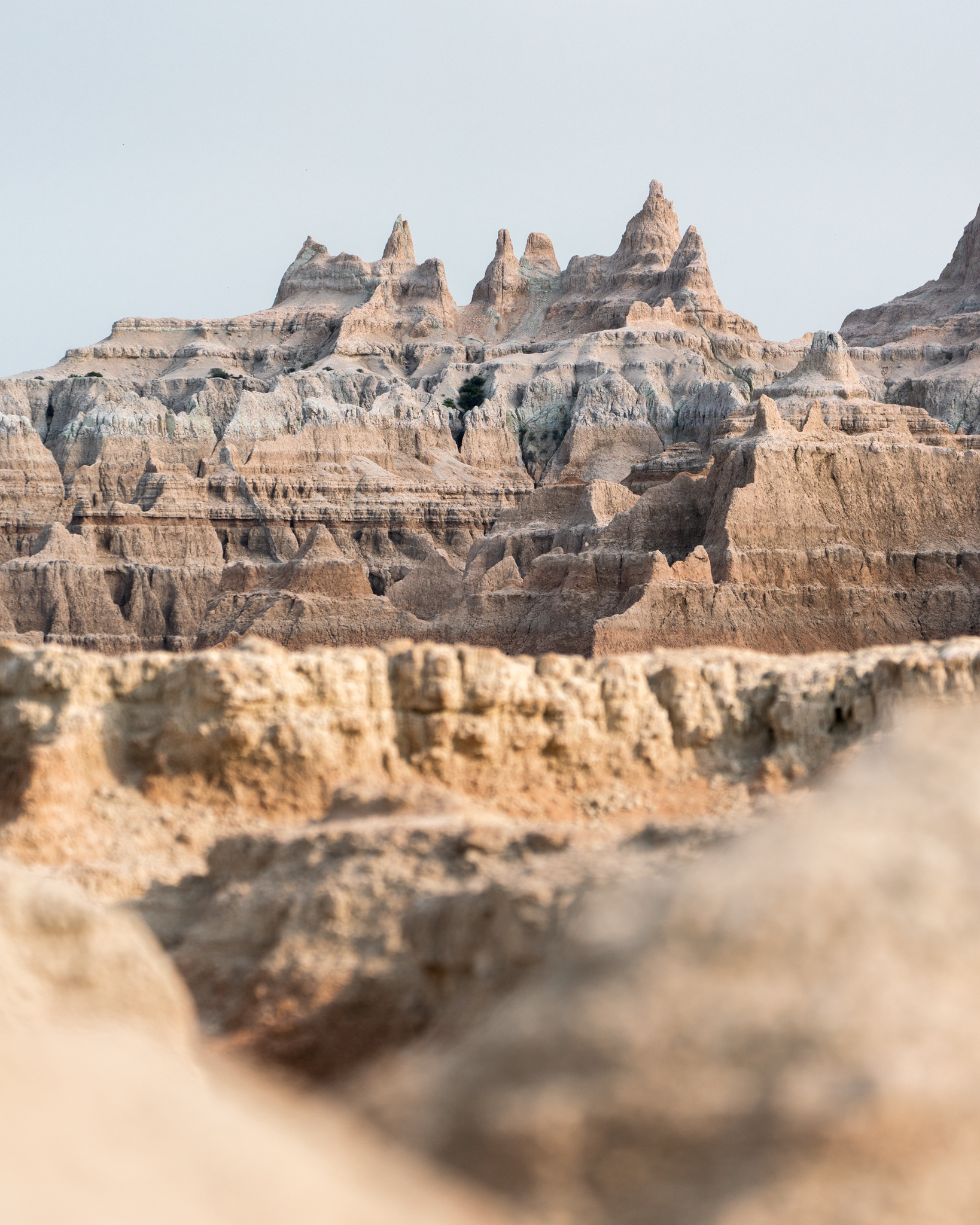
Badlands was the place I was most excited about visiting, and I was not disappointed! With a name like Badlands, it has to be interesting, right? This place is so unique and spectacular–– there is so much texture and color. If you want to get creative with photography, this is such a good place to do it as the light is constantly changing. If you are lucky, you may come across Bighorn Sheep. Check out the Door trail for sunrise and Pinnacles Overlook at sunset. There are so many walks and overlooks to explore… bring a picnic lunch and enjoy at least a day here!

OTHER WORTHWHILE CONSIDERATIONS

  • Pine Ridge Reservation (Wazí Aháŋhaŋ Oyáŋke): Unfortunately, I was not able to visit Pine Ridge Reservation on this trip, but it’s number one on my list for next time. I would be interested in visiting the Reservation with a local guide, especially from a cultural and landscape perspective.
  • Buzzard’s Roost: This is a fairly quick hike just outside Rapid City. We didn’t make it all the way to the lookout, but it’s a good option for a morning workout and a reason to get outside.
  • Deadwood: I wouldn’t have said the Wild West stuff was my favorite thing, but once I got to Deadwood, I definitely got into the spirit of it. If you want to step into a Westworld-esque era of the gold rush, cowboy feeling, Deadwood is the perfect place to do it.
  • Jewel Cave National Monument: This looks like an interesting caving experience… I just didn’t have time!
  • Wind Cave National Park: Wind Cave is a huge cave system probably best experienced underground. I’m a big fan of caving, so although this didn’t make it onto my itinerary this time, I think it would be a fun way to spend a day–– especially if you’re traveling in the summer and looking for a way to cool down.
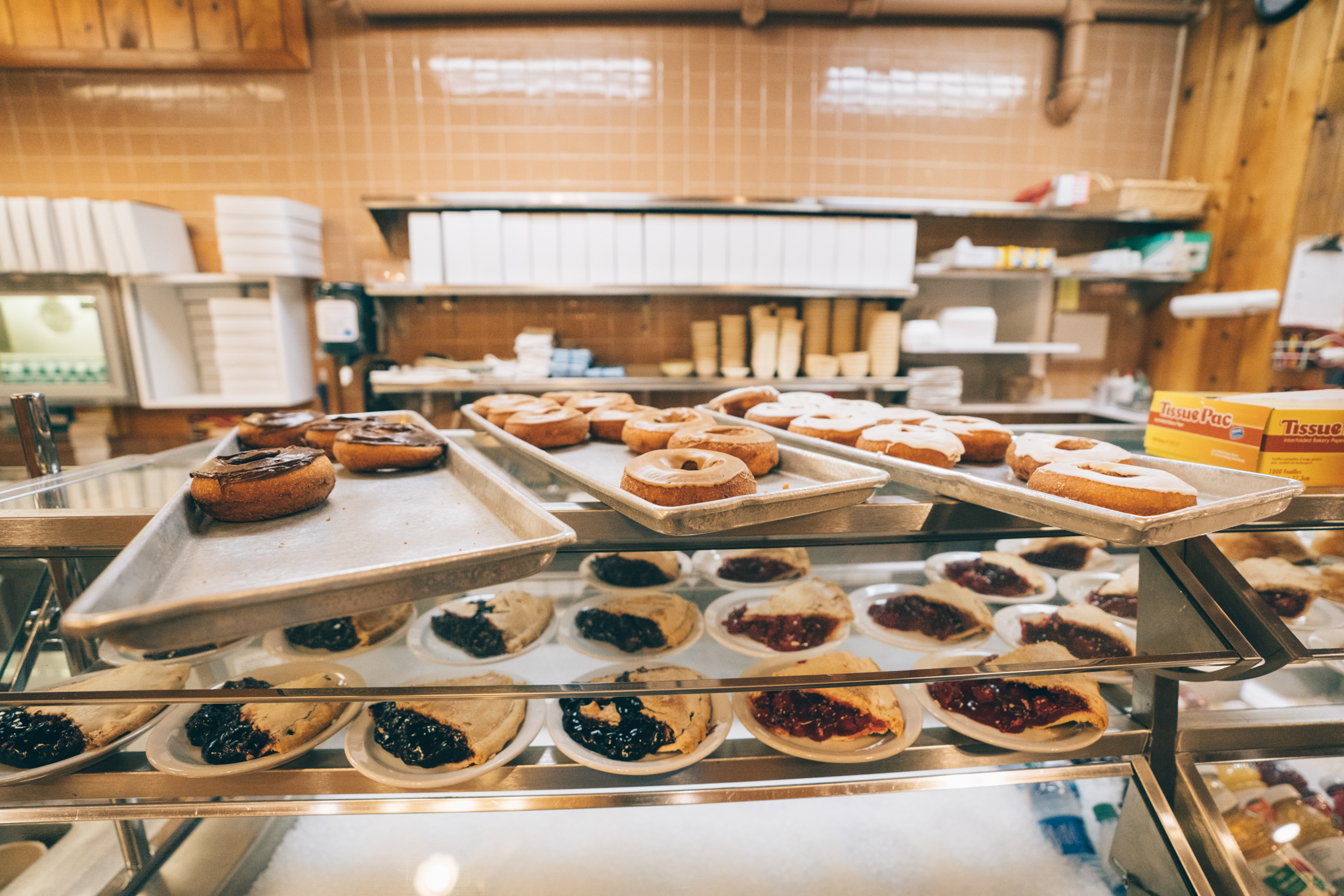
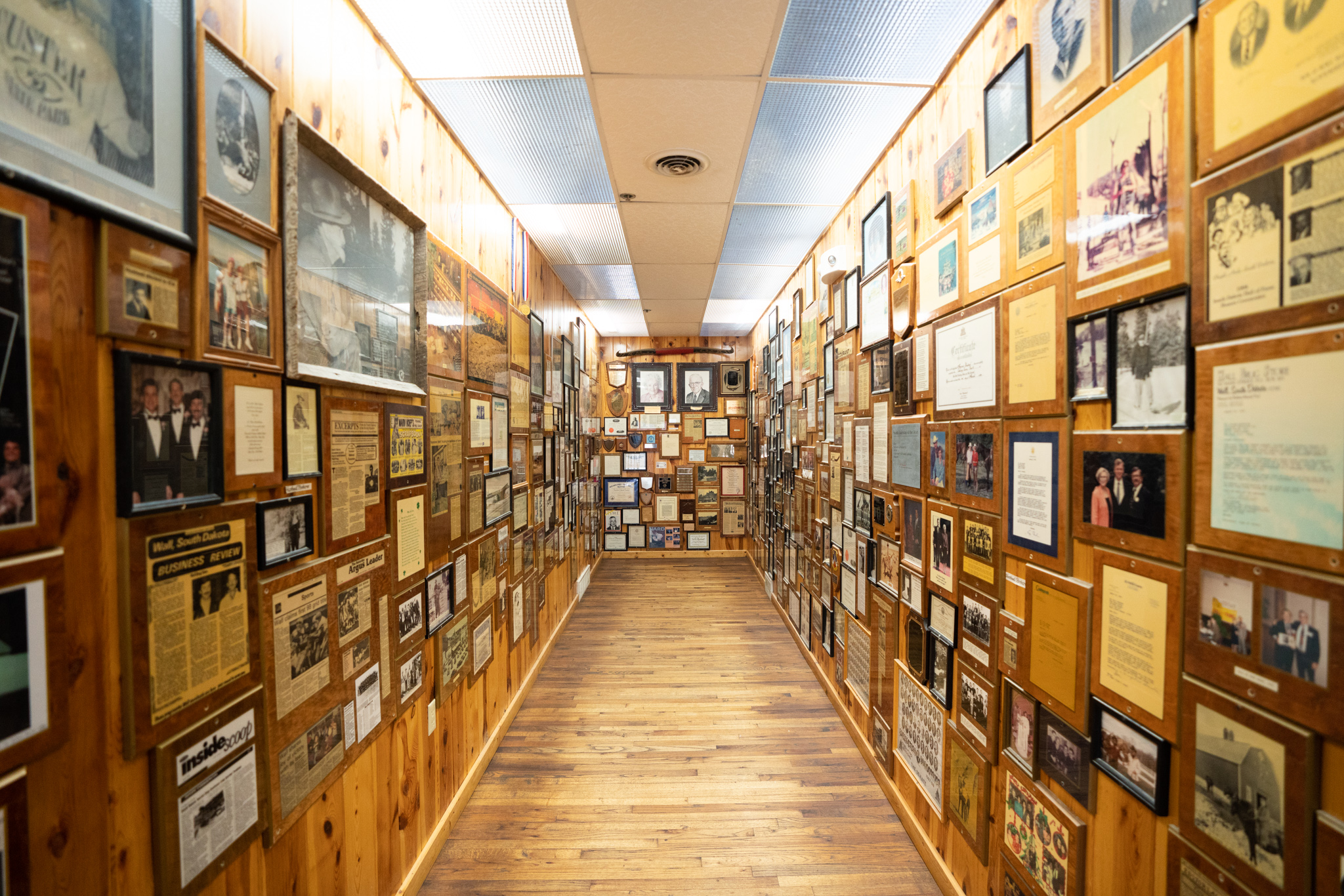
  • Wall Drug: The famous bumper sticker asks, Where the Heck is Wall Drug? Maybe a better question is WHAT the Heck is Wall Drug? Wall Drug is a super kooky (and big) roadside attraction featuring 5 cent coffee, delicious donuts, and plenty of quirky things. It takes up a whole block and is so big you can get lost inside it! If you enjoy the kookier things in life, allow yourself some time here. For me, the most interesting part of Wall Drug was the old photo walls.

Treats at Wall Drug.


Overall, South Dakota is such an underrated state. For adventurers, outdoor lovers, and photographers, this is a playground. Check out flights to/from Rapid City–– you may be surprised to find direct (or cheap) flights from your city. In terms of cost while traveling, it’s a relatively cheap place to eat & stay, especially if you are camping and have an Annual National Parks Pass.

One question I got from my audience on Instagram is: did I see Black travelers/folks of color? The answer is yes. The majority of travelers I saw seemed to be white, but there were definitely people of color traveling as well, particularly in Badlands National Park and at Crazy Horse Memorial. I recognize that traveling while Black/BIPOC can be a very different experience than traveling while white, so I felt it was important to mention this, especially because y’all asked!

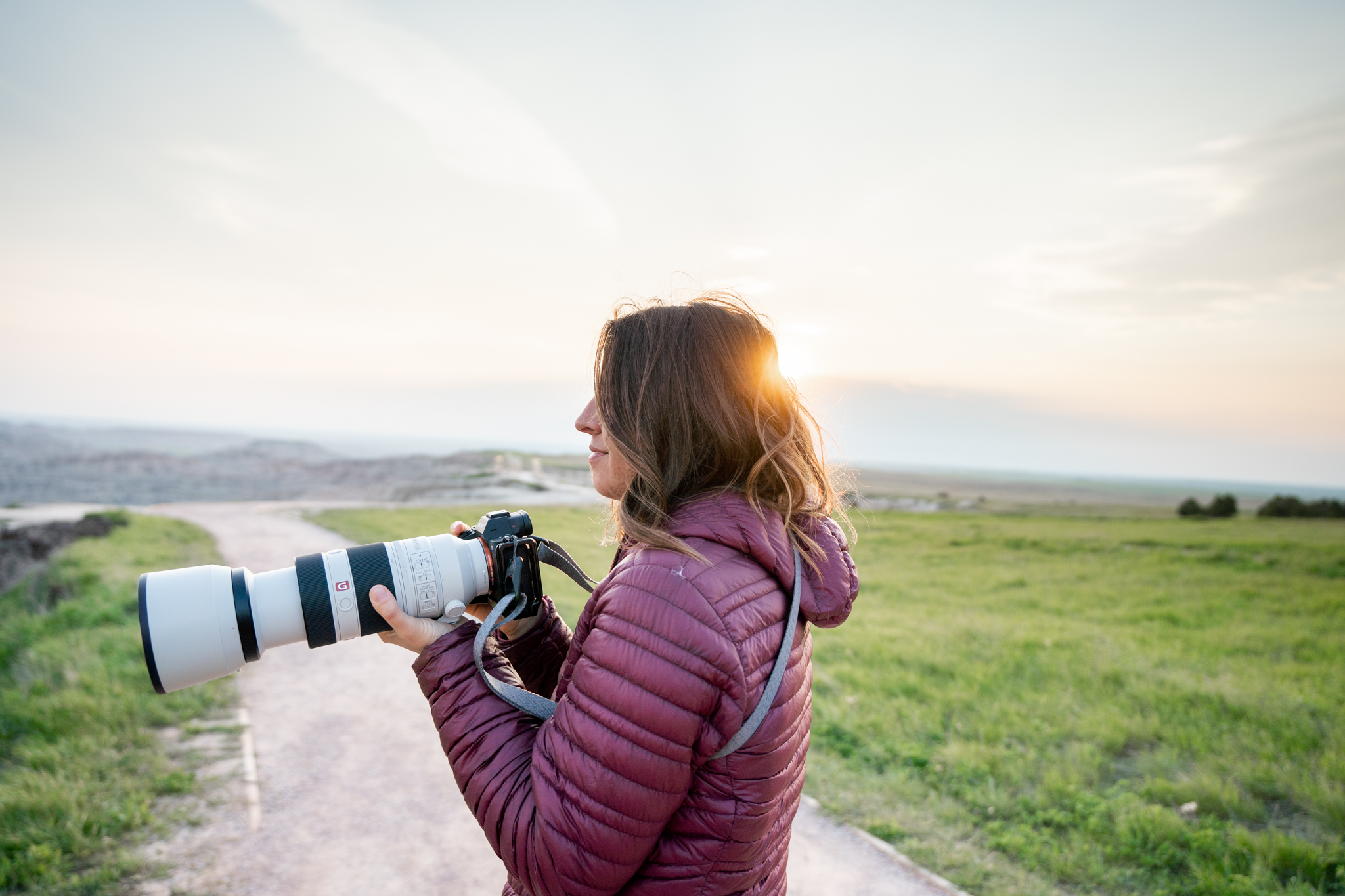
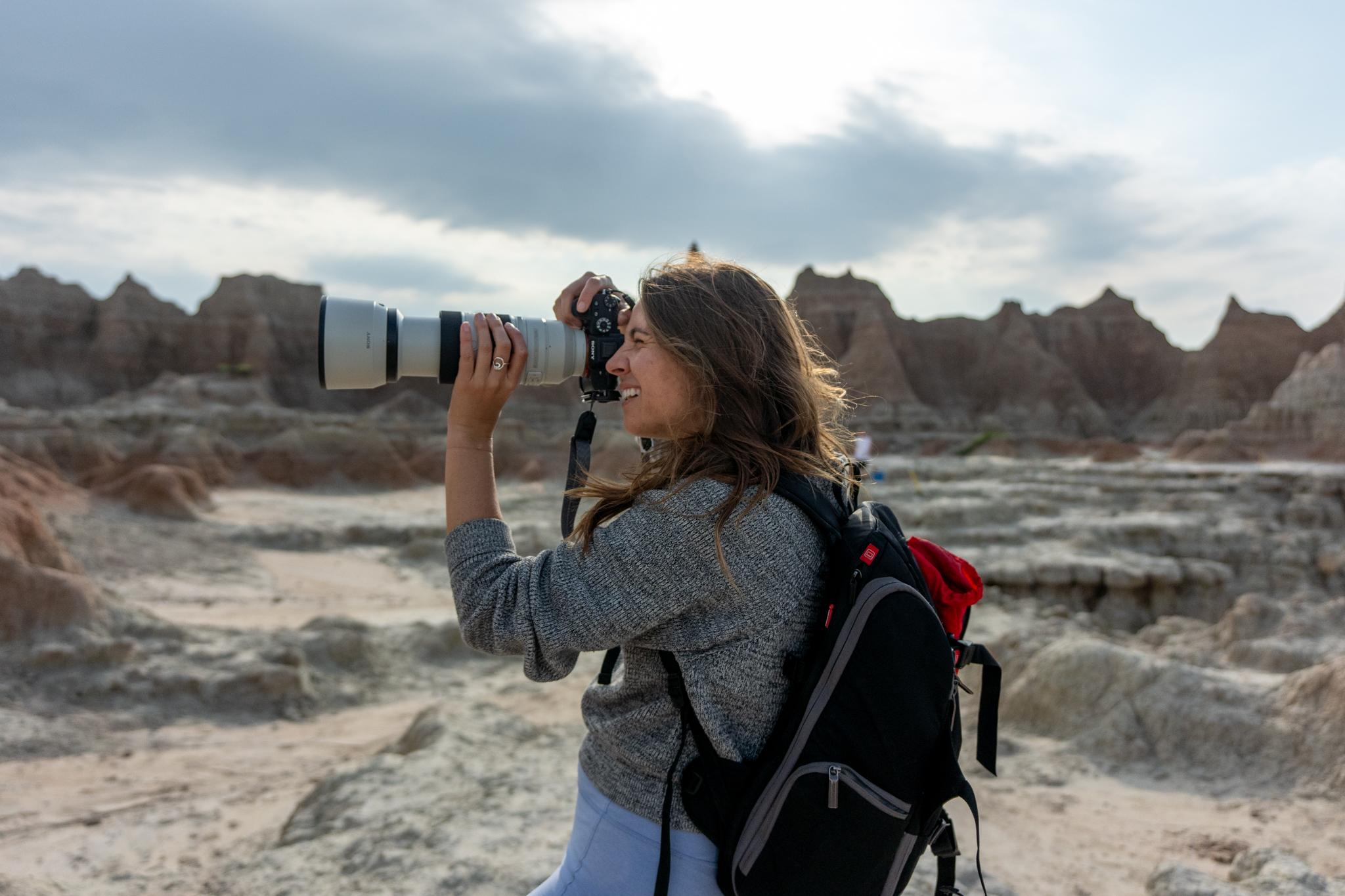
In terms of photography, the two lenses I reached for the most were my 16-35mm f2.8 for landscape shots, and my 100-400mm f4.5-5.6 for wildlife photography, plus those compressed layers you know I love so much. If you’re visiting South Dakota for photography, I would recommend bringing both a wide-angle and a telephoto lens. Don’t forget your tripod for sunrise & sunset stuff, and maybe even astrophotography if you’ve got clear skies.

As with all outdoor adventures, be sure to plan ahead, stay safe, and follow Leave No Trace principles. I hope you have the chance to enjoy the beauty that lies in South Dakota. I know I am looking forward to my next visit.


GALLERY

Five years ago, after spending a year on a working holiday in Australia, I headed to New Zealand for a few months of camping and spending time outdoors. I was hoping for mountain views, gorgeous beaches, and rugged adventures, and NZ sure did not disappoint. The country left a big impression on me and I fell in love with it. Over the course of four months, I drove around both islands, worked on a couple of farms (and a vineyard), explored caves, mountains & waterfalls, learned about Maori culture, and slept outside most nights (yes, on purpose). I have wanted to go back ever since, and unsurprisingly, my second impression of New Zealand was just as incredible as my first. But this time, I was able to travel a little differently.
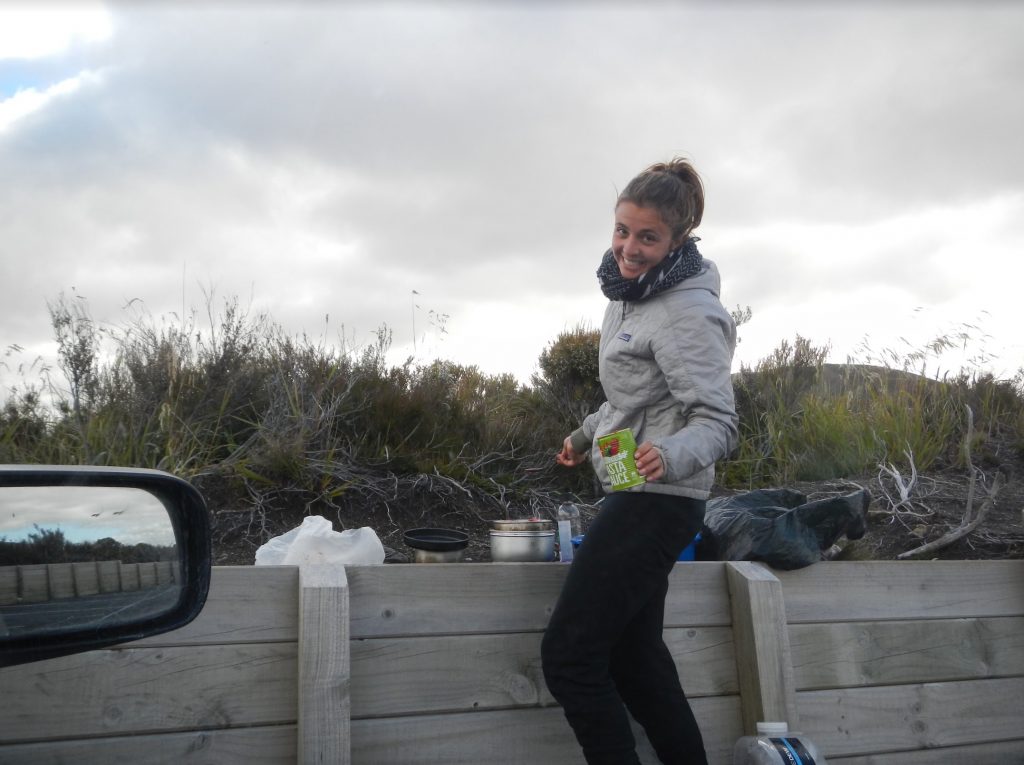
Probably cooking dinner of champions in a parking lot, 2014.


On my previous trip to NZ, I was workin’ with a rather ambitious budget (i.e. spend as little money as possible). We’re talking no eating out, no staying in hotels, no “splurge” items, and a lot of pasta, beans, and PB&J. Let that be evidence that yes, you can do NZ on a budget! That trip was some of the most frugal traveling I have ever done. I wanted things to feel more comfortable and convenient on my next trip, and looked for a balance of free outdoor activities and paid indoor activities (ok, sometimes these were outdoors too). The other big difference between then and now is that wasn’t working as a photographer back then. I didn’t even own a camera. But my memories of that trip are so vivid, and I had a list of places I wanted to return to with the knowledge (and gear) I have gained since.
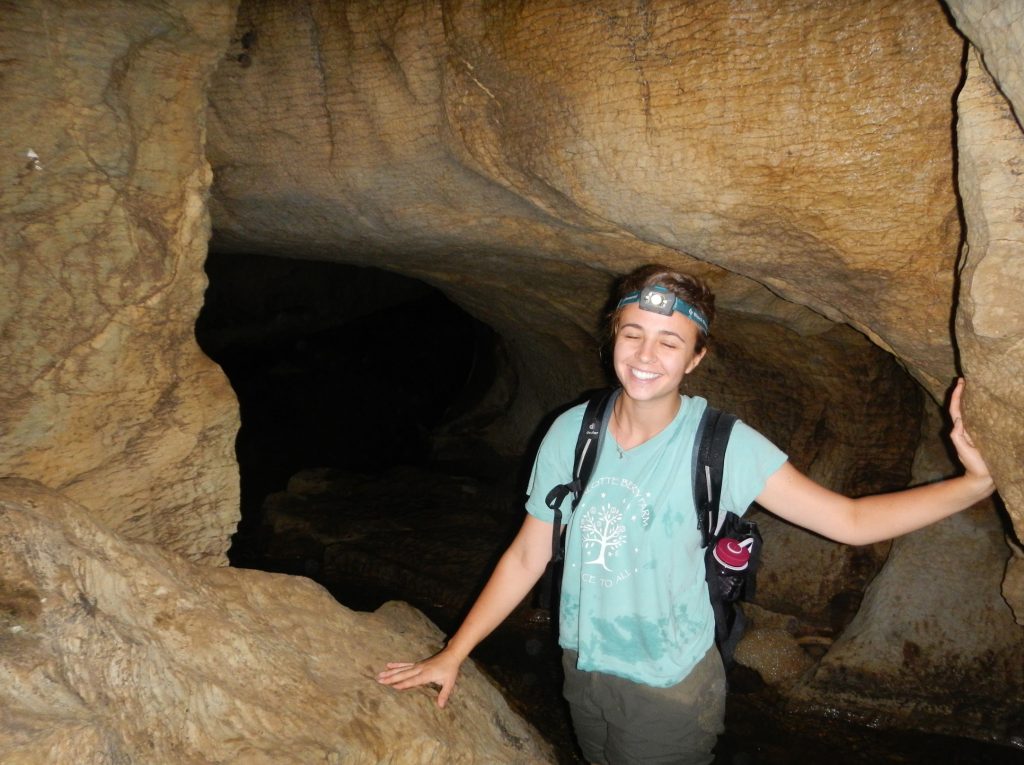
Another gem from 2014.


I planned this trip with my friend Rachel Rudwall, who is an amazing and hilarious human also working in the travel media space. Rachel is a total badass, and I highly recommend following her journey if you are not already! We decided the best method of transportation for our trip would be a self-contained camper van. It’s very convenient to have a home on wheels, it’s more luxurious than a tent, and it would allow for flexibility in our schedule. We partnered with Heron Campers for our van, and rented the Heron 2+1 model, which we found to be the perfect size for our needs. It was big enough for us to feel comfortable and to store our gear in an organized way, but small enough to feel like driving was manageable. This model had a spacious bed, plenty of storage, a kitchen area with two gas burners, a sink and a fridge, and a bathroom (including a shower)–– definitely the fanciest vehicle I have had the pleasure of traveling in.
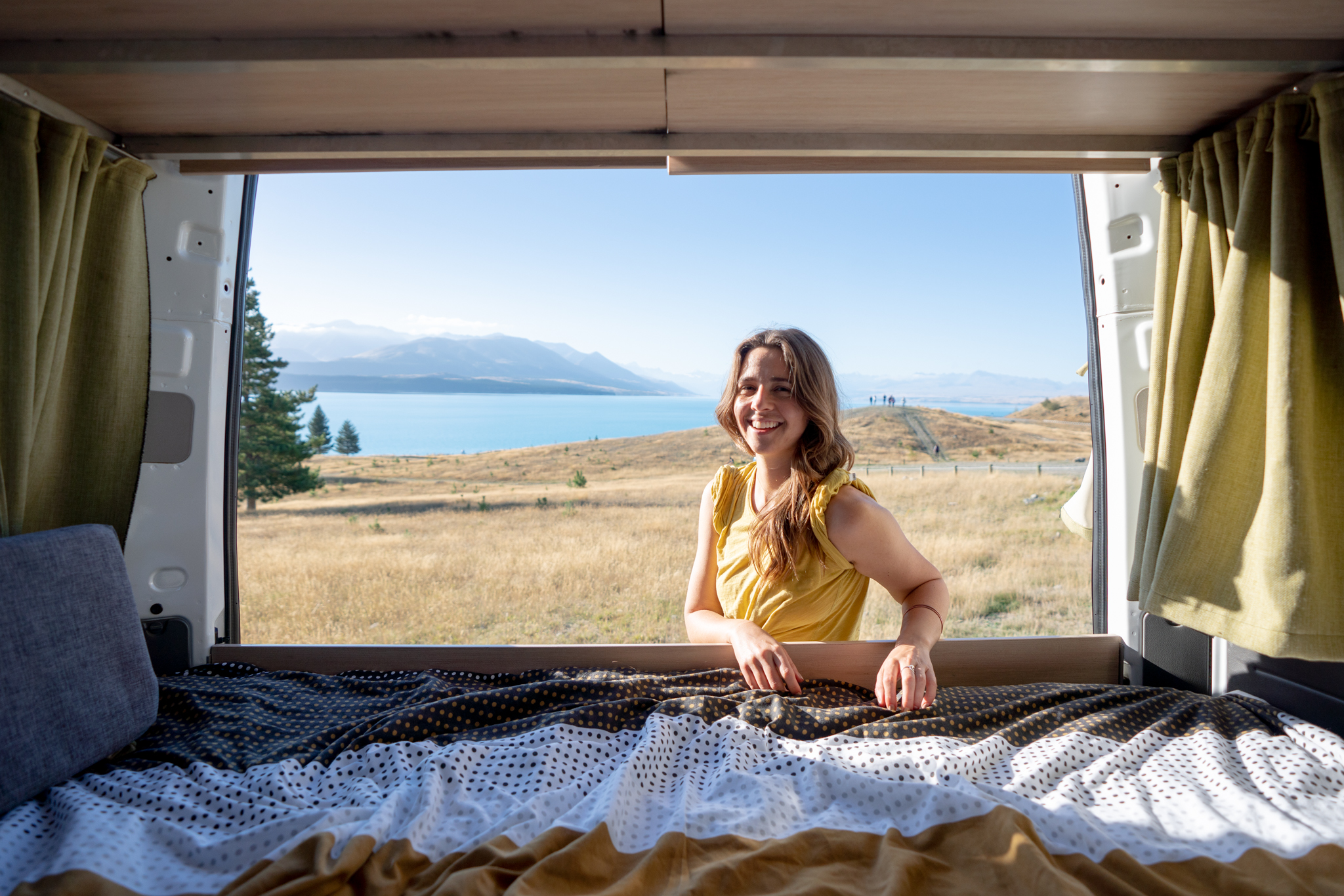
Our home for the trip (just change the scenery)!


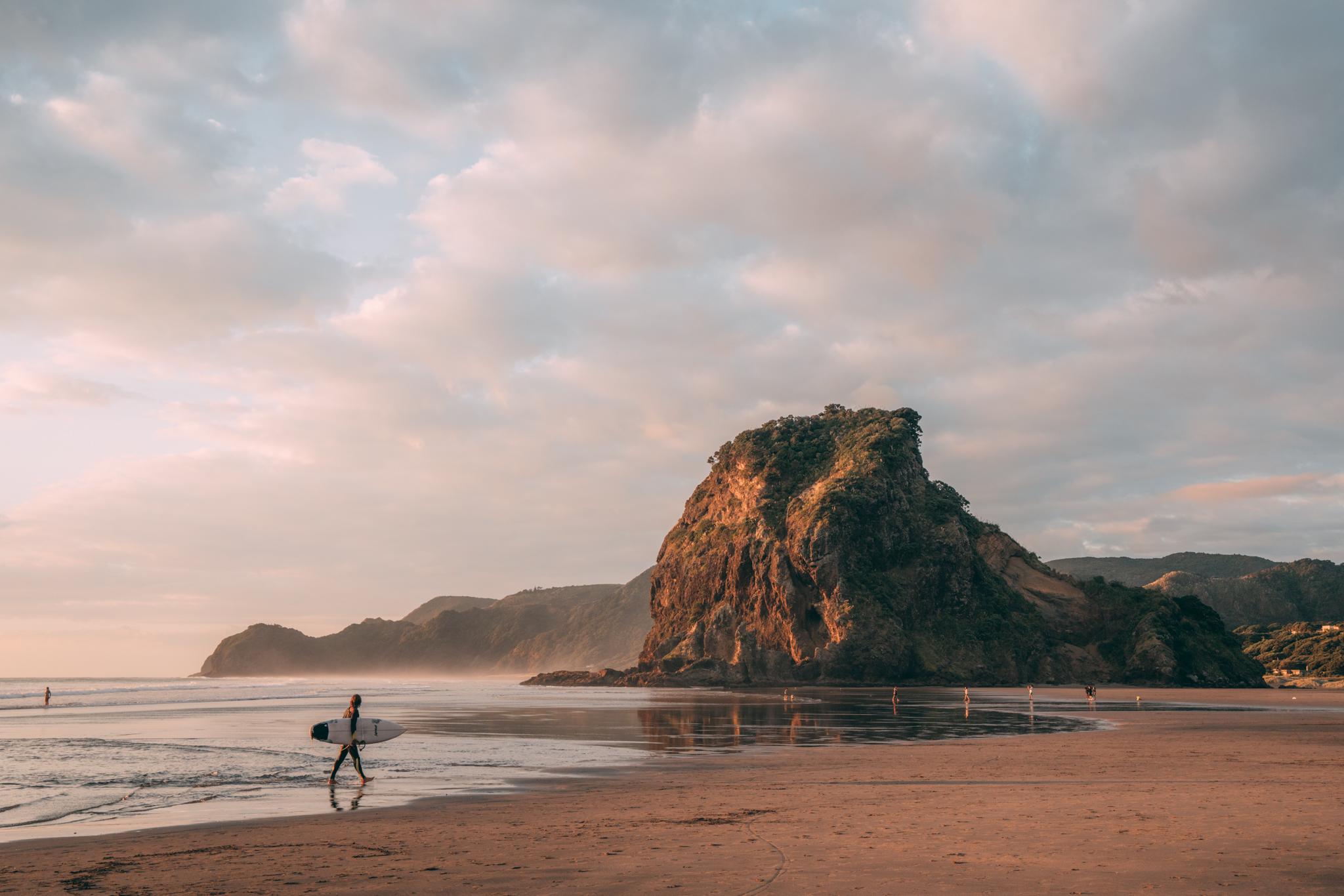
Upon arrival, we took a night to rest up in Auckland before heading to our first stop: Piha Beach. Piha is a gorgeous beach about 45 minutes drive from Auckland with some huge and unique rock formations. Piha is simply beautiful and such a fantastic place to spend some time. There is a campsite super close to the beach that offers powered & unpowered sites where we stayed for the night.
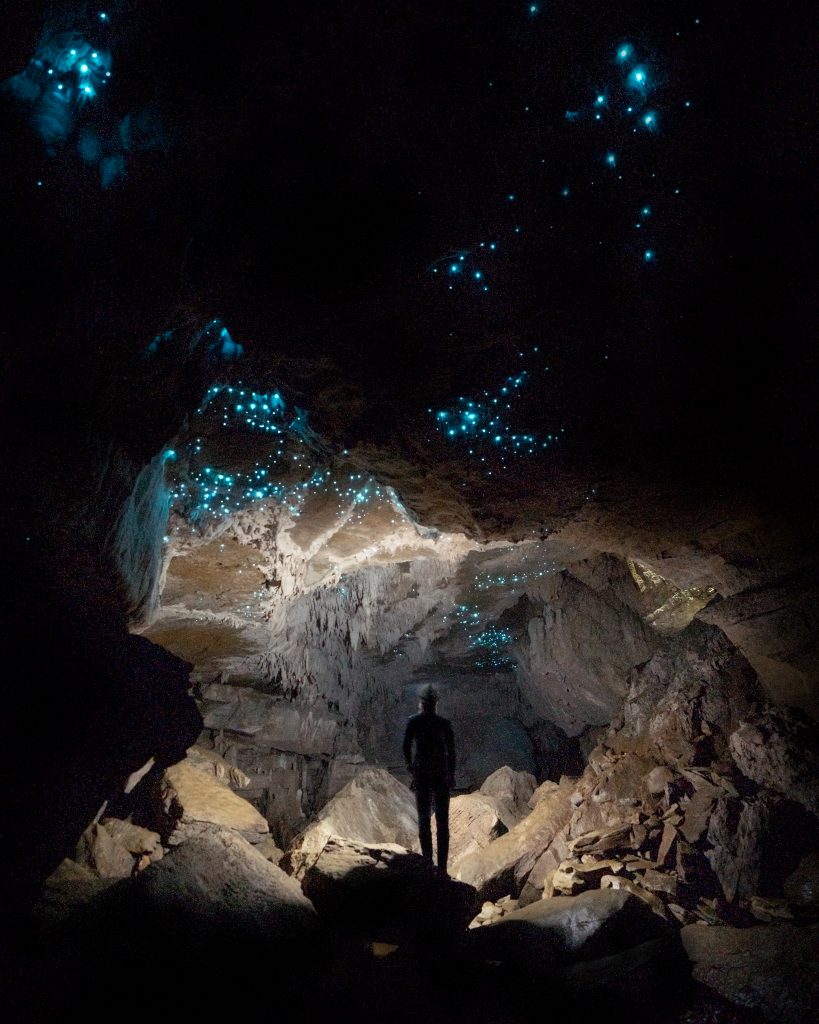
Given that I haven’t shut up about glow worms for the past month on social media, you won’t be surprised to hear that our next stop was to visit some glow worm caves. We found a small family-run operation called Glowing Adventures, which offers unique & adventurous cave tours on their property. The tour groups are small, so this is a very different experience than you might have at the nearby Waitomo caves, which are arguably the most visited caves in the country. Comparatively, Glowing Adventures hosts only 8-10 people a day, whereas Waitomo can sometimes host a few thousand! We opted for their photography tour, which allowed us plenty of time to create images like these. Another note on glow worm caves in general: there are un-commercialized caves that have glow worms in New Zealand! I have been to several of them, and they are really special. As these are not commercialized, are sometimes harder to get to, and are less populated, you need to do your research. Think about the type of experience you would like to have and how much time/flexibility you have in your schedule, and go from there. Google is your friend.
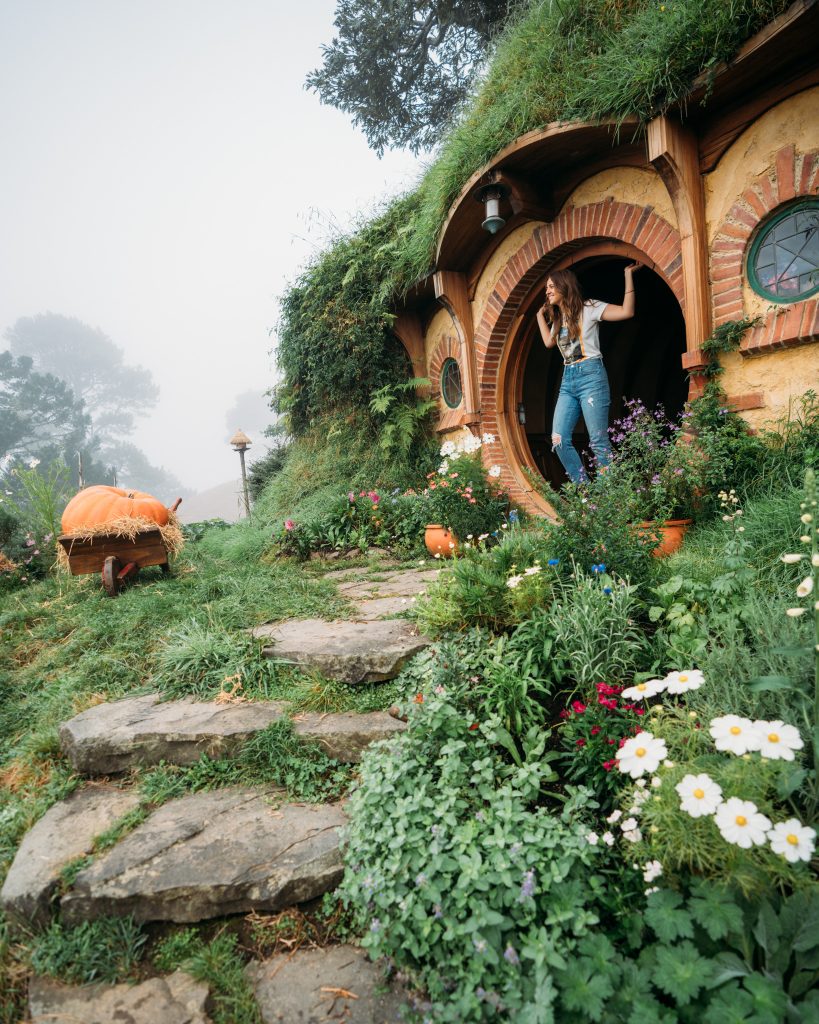
Another North Island highlight for me was shockingly… Hobbiton. To be totally transparent, Hobbiton was not originally on my to-do list for NZ. I’m usually not into super novelty or commercial things (I know I am a snob, thx), but Rachel really wanted to go see it, so I agreed to tag along. The fine folks at Hobbiton took us on an early morning tour of the Shire, and I was surprised at how much I truly loved this experience! This is a tremendous example of human creativity, and such a magical universe. Walking through the grounds with our guide was an experience I will not forget. Even if you aren’t the biggest Hobbit/LOTR fan or are just cynical, I would recommend doing the tour at Hobbiton, especially if you’re passing through the area anyway.
Before we continue, let’s take a moment to go over your camping options in New Zealand. There are lots of options for camping in New Zealand, but you should be aware of what they are so that you can follow the rules and respect the environment and the residents. Your first option is private campgrounds & holiday parks. These generally offer both powered & unpowered sites, and often have great facilities including kitchens, laundry facilities, showers & bathrooms at a minimum. The Department of Conservation (DoC) also manages a number of campgrounds across the country. These usually have pretty basic facilities and are operated on a first-come, first-served basis unless they are fully serviced. Another camping option is freedom camping, which you guessed it, is free. The thing with freedom camping is that you need to be 110% certain you are allowed to camp in the designated location… you can’t just show up anywhere and camp. Each freedom camping site has its own rules and regulations. You may be required to have a self-contained vehicle (and the sticker that confirms this), which means you have a waste management system on board. If you intend to freedom camp, make absolutely sure you are following the rules, and check with multiple sources if possible. Even well-intentioned campers who do their research (hi) can get parking tickets. 😉

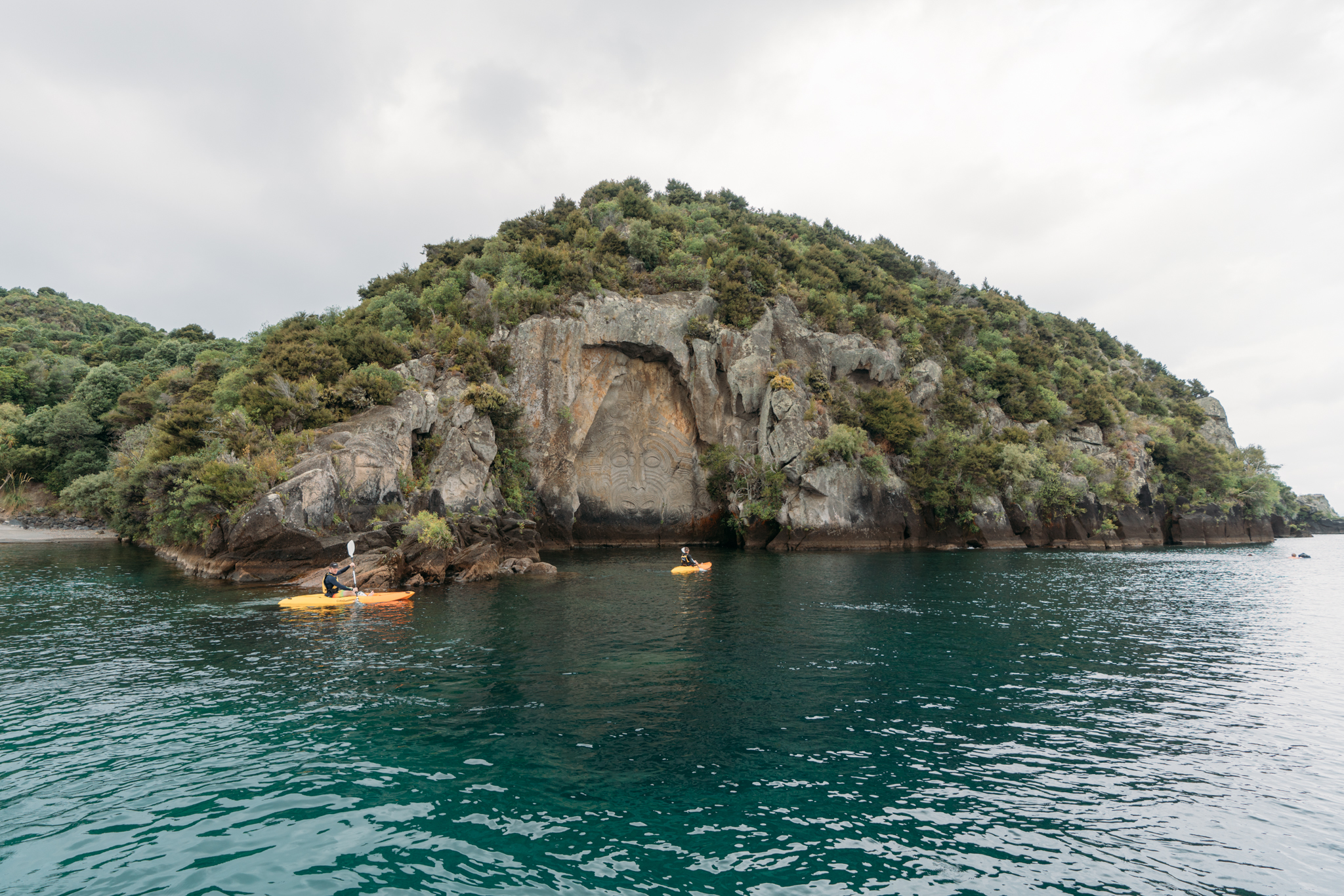
Back to the trip. When doing research, we saw photos online of intricate Maori rock carvings on Lake Taupo and looked into how we might go about seeing them. The carvings, which were created between 1976-1980, were made by artist and traditional marae-taught carver Matahi Brightwell, and represent an ancestor of his grandmother. Originally, he was looking for a tree as his canvas, but decided to carve on rock when he couldn’t find something that suited the work. We were able to visit the carvings with Sail Barbary, the only 100% sustainable boating company on Lake Taupo. You can choose to either kayak to the carvings or take a boat. Though we opted to sail, kayaking also looked like a great option, as it would allow for you to take your time and get even closer to the carvings.
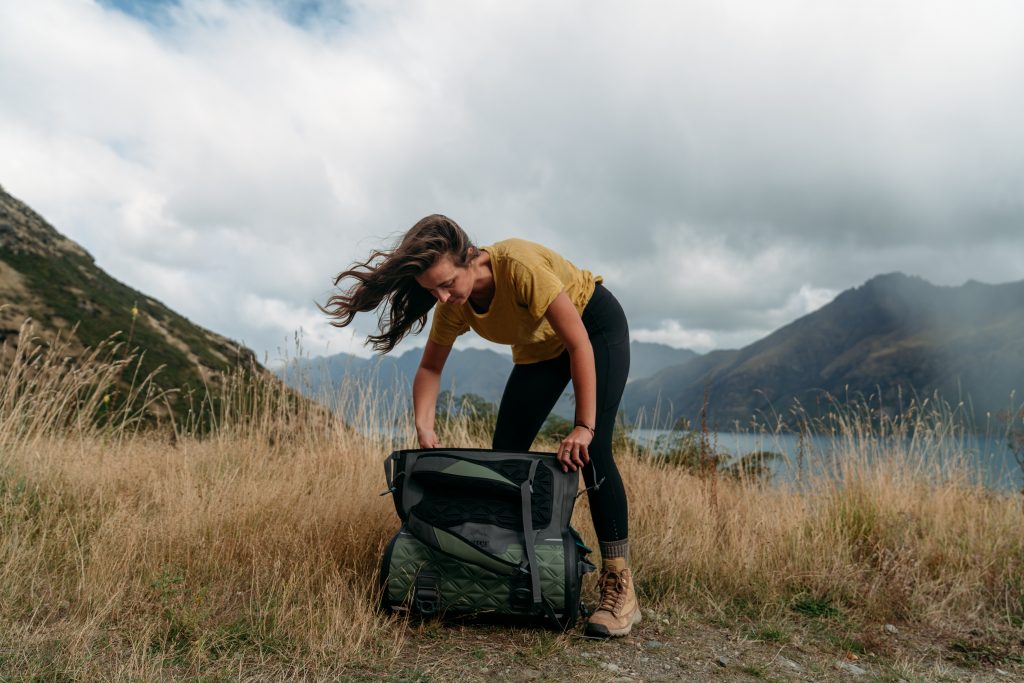
After a big grocery shop, we drove to Tongariro National Park, where we packed our backpacks for a 3-day hike of the Tongariro Northern Circuit. We hiked the loop clockwise, first starting out hiking toward Mangatepopo Hut and arriving with plenty of time to enjoy the afternoon light. The next morning, we packed up early and headed for the Emerald Lakes. This hike takes you through otherworldly volcanic terrain, and the weather can be unpredictable as well! We started our hike on a relatively mild morning, and experienced fog, sideways rain, and heavy winds as we hiked up to the ridge. As we hiked down to the Lakes, the clouds cleared to reveal the landscape.
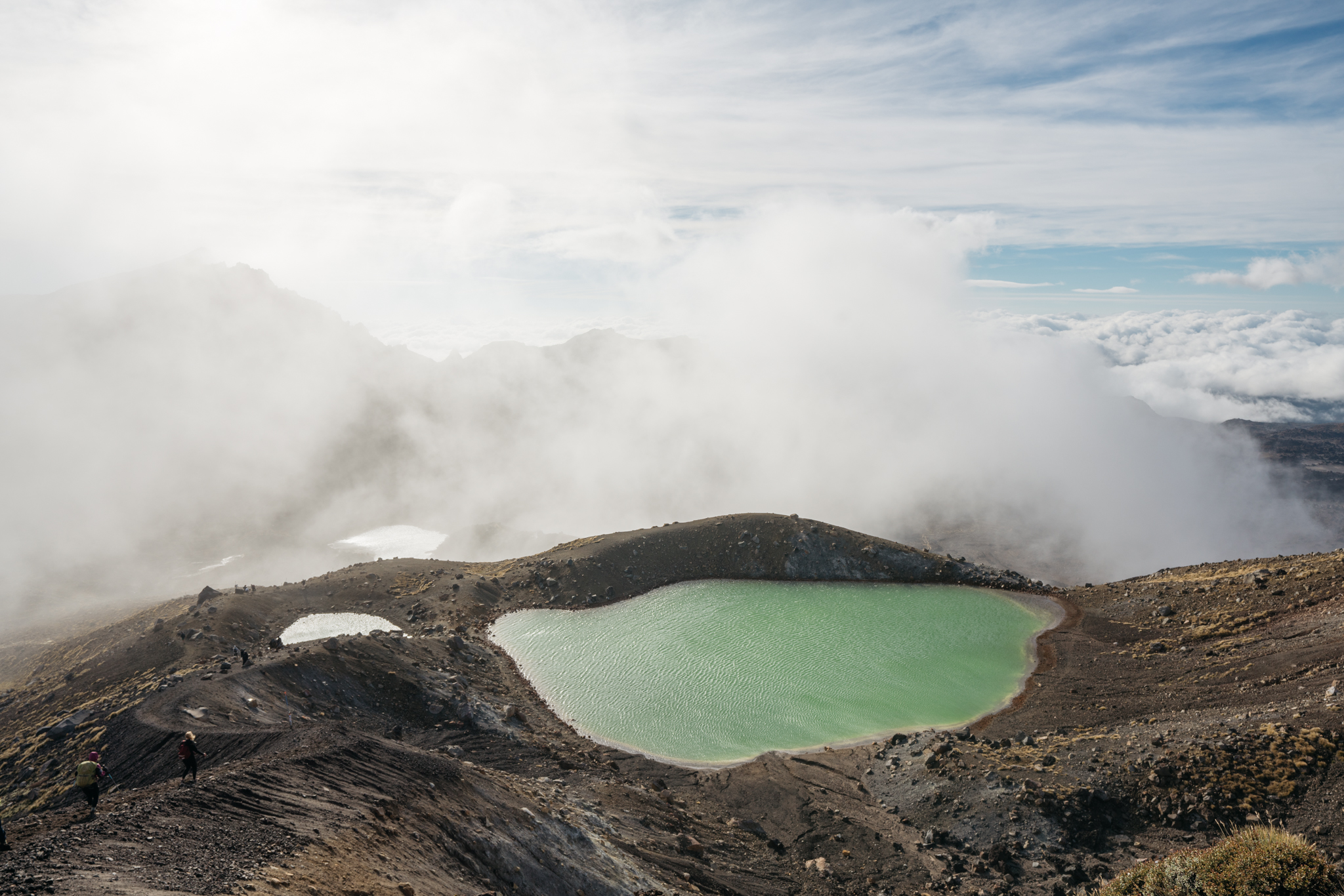
Many people experience Tongariro National Park on a famous day hike called Tongariro Crossing. My recommendation for those of you who enjoy challenging hikes and jaw-dropping landscapes would be to do the whole Circuit over 3-4 days, but if you don’t have the time or aren’t traveling with your backpacking gear, this is an incredible day hike. Make sure to book yourself a shuttle to get back to the starting point after your hike.
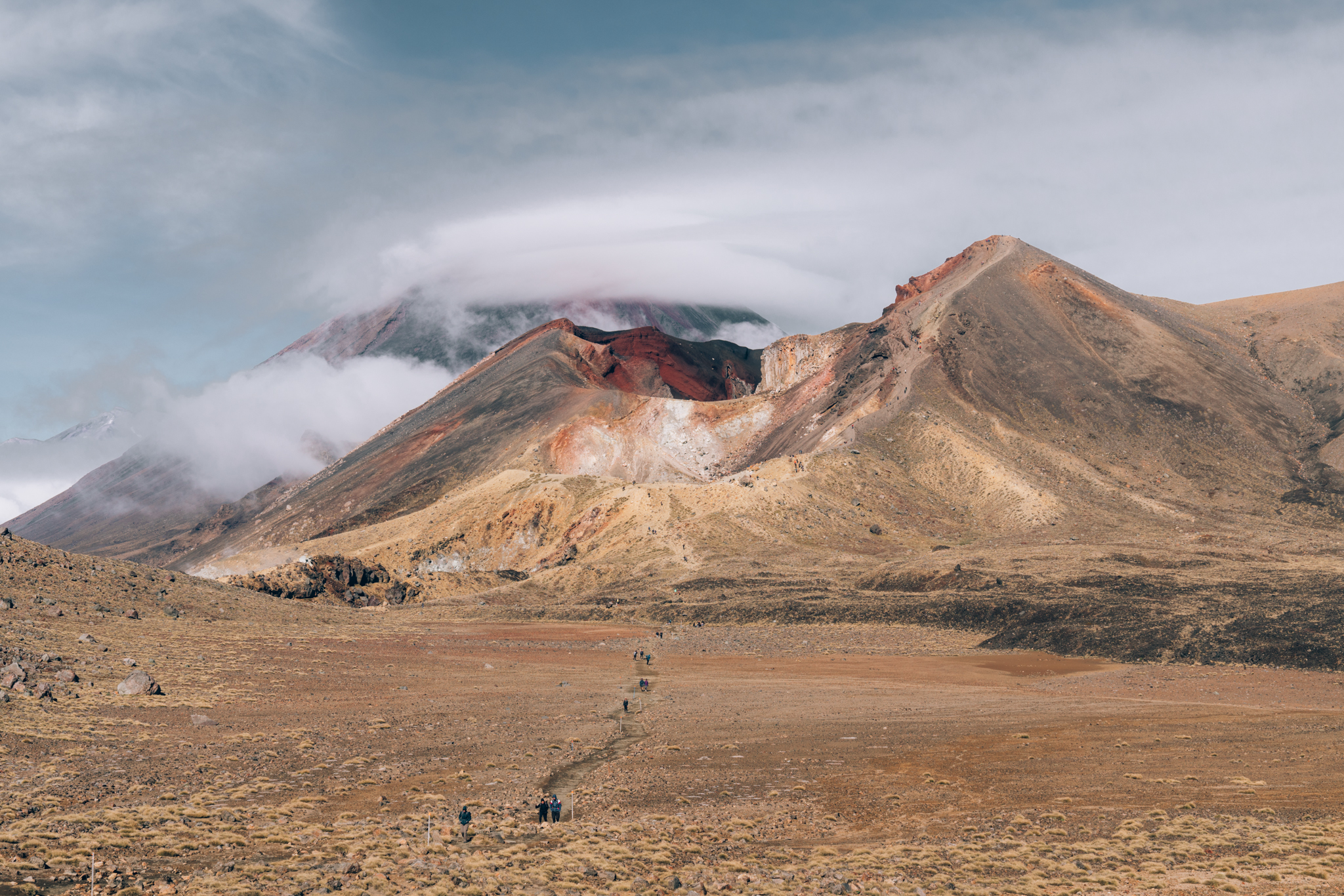
After hitting the Emerald Lakes, we continued onward to Blue Lake just to take a look, before backtracking and heading back toward Waihohonu Hut. The variation in the terrain on this hike alone was pretty stark. We started the hike surrounded by low-lying scrub, eventually walked up to a rocky ridge-line before passing through a moon-like saddle, then were surrounded by brightly colored lakes, red rock, orange lichen, and then dunes as we made our way closer to Waihohonu. Absolutely spectacular.

On the last morning of our hike, we made it back to the van around 11am and started our drive down to Wellington. A quick note to those of you who may be reading this in order to plan your own trip–– Rachel and I did a LOT of driving on this trip! A LOT! If you’re willing to sacrifice chill/relaxing time on your trip, it’s doable… obviously, we did it. But just know that our itinerary was on the ambitious side, and that you have to be dialed-in with your logistics to do all of this in such a short period of time. Our trip was a bit less than three weeks at 18 days, and we planned it this way on purpose, but you might not enjoy this quick pace. In general, there is so much to do and see in New Zealand, and it’s hard to choose! That said, I would recommend doing less and having more time in the places you do choose to visit. Hopefully, you will be able to come back to pick up where you left off.

We were so happy to pull into Wellington for the night! When I booked our Airbnb, I didn’t realize that it was actually a converted photography studio! So perfect. If you’re into unique Airbnbs, be sure to bookmark this one for future trips–– it is one of the most special properties I have ever stayed at, and was a super relaxing place for us to spend the night before another long day of driving.

The next day was a rather exhausting ambitious travel day… a 3 hour ferry followed by a 9 hour drive all the way to Lake Pukaki. We took turns driving, had some great conversations, made some bad hilarious jokes, ate a lot of snacks, and eventually rolled into our campsite right on the lake at around 10pm. We stepped outside the van and looked up to see the Milky Way perfectly positioned above the van, and spent the next few hours doing some astrophotography.
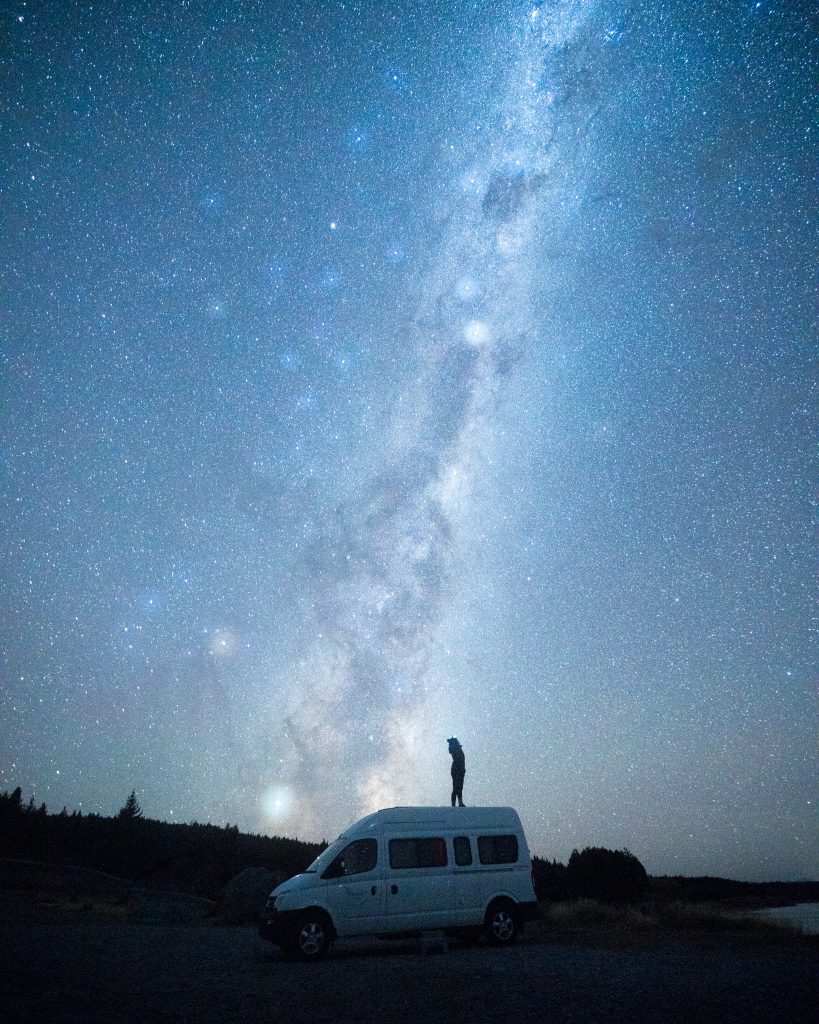
I’m sure some of you experience this too… when I’m in the moment and in my zone, I am in a total state of flow. I forget that I haven’t eaten or whatever small thing I was stressed about. It’s just me behind the camera creating something beautiful. That’s what this moment was for me.

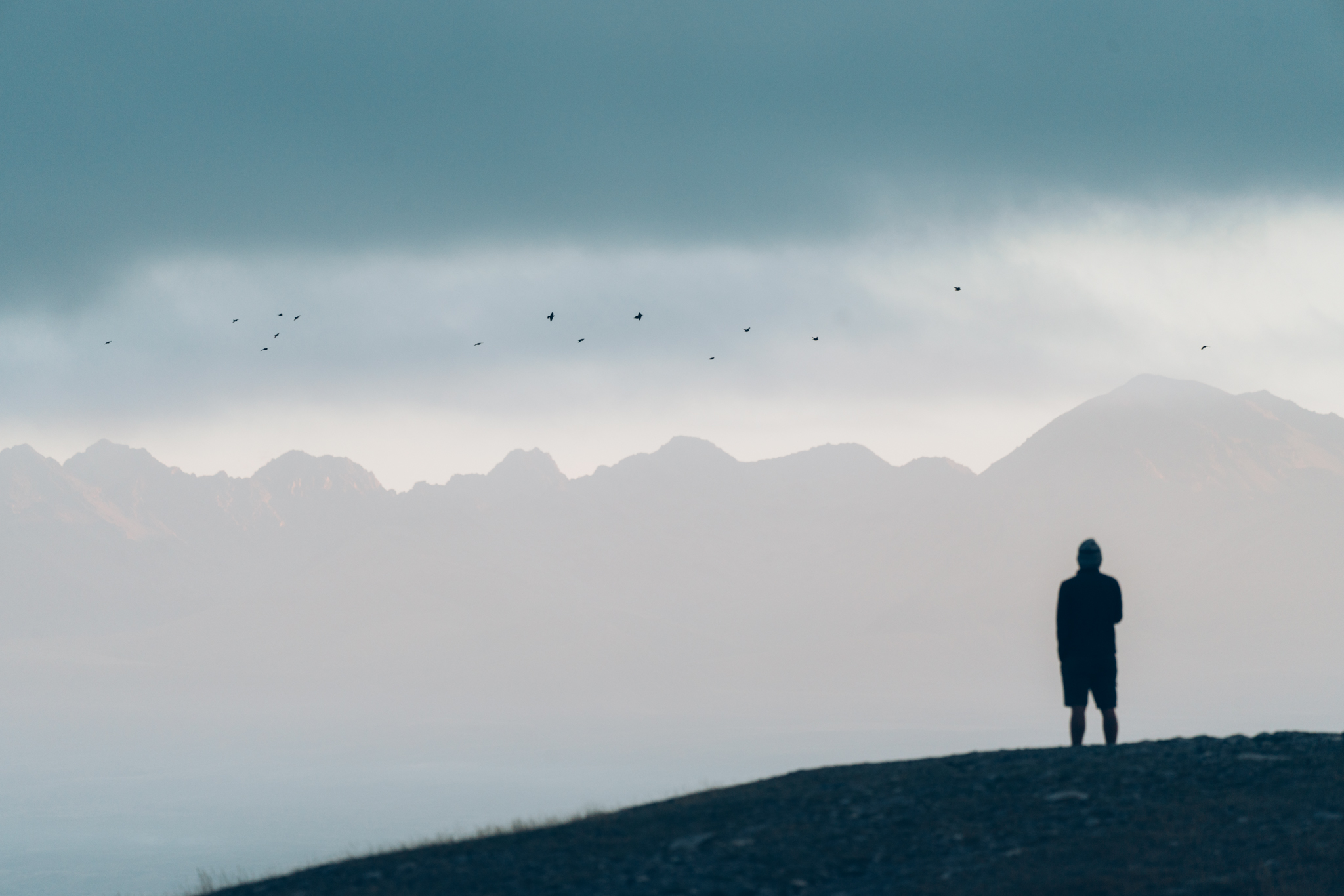
We spent the next two days in the Aoraki/Mt. Cook area. One of my favorite campsites ever (like, in the whole world) is located on the Southern end of Lake Pukaki. Driving from Tekapo, you will see it on your right, right before the bridge. Turn off onto one of the dirt roads toward the lake, and you’ll probably see a sign or other vans/campers. If you hit the visitor’s center, you’ve gone too far. The spot is definitely a lot busier than it was five years ago, but I am happy so many people get to experience this gorgeous place!
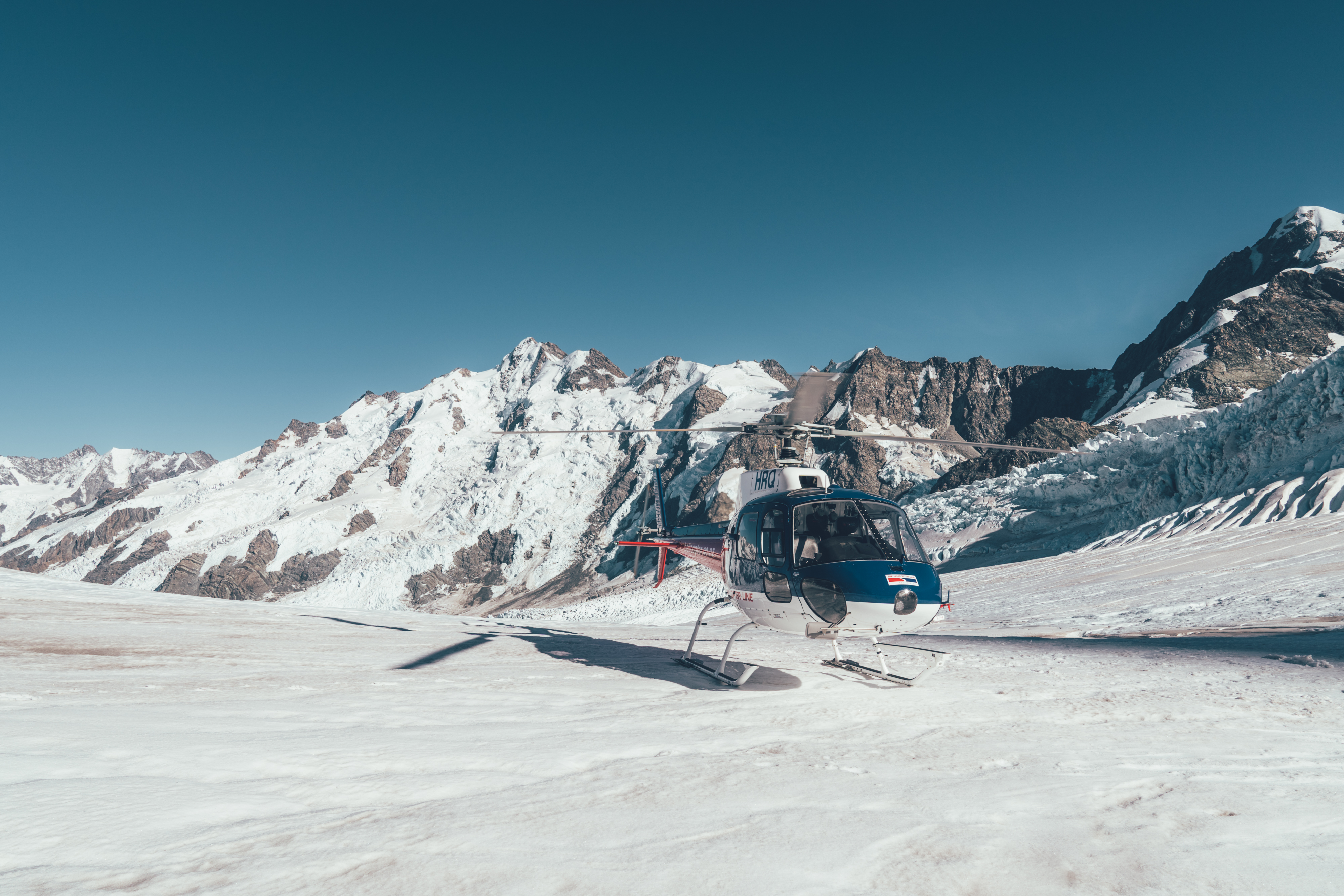
On our first morning in Aoraki, we had a helicopter flight scheduled with The Helicopter Line. Though the cloud was too low at first, it eventually lifted and we were able to go up on a scenic flight, landing up on Tasman Glacier before heading back to the base. Seeing a place from above gives you a unique perspective on the place, and that is certainly the case with Aoraki! If you are looking to go up on a helicopter flight for photography, doors off is always better. That said, it is an amazing experience regardless.
In terms of where to eat in the Mt. Cook area, I would highly recommend the Mountaineers Cafe. We loved their bagels & salads for lunch, and enjoyed spending time sitting in the sun with a good coffee before and after our hikes. Our first hike in the park was a quick walk to Tasman Lake. I use the app AllTrails to download maps to my phone so that I can pull them up on a hike and track my progress. This was a situation where I was really glad I had the map! Once hitting the main viewpoint of the lake, there is a trail along the moraine that continues down to the lake. It’s not as clear-cut as the first part of the trail, and as a result, we were the only people on it. It was nice to experience such a popular area with less of a crowd around.

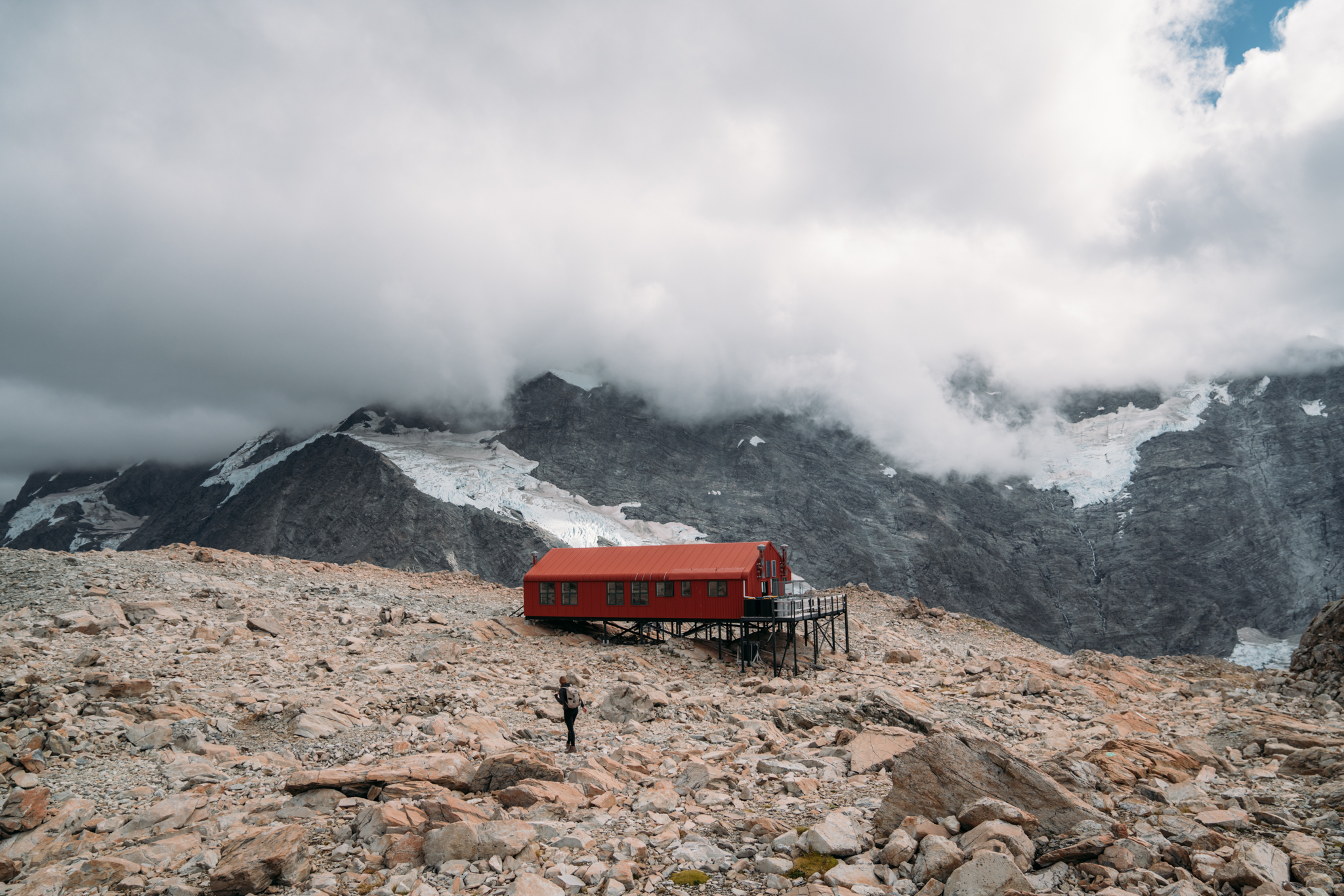
We picked a full day hike on our second day in Aoraki–– Sealy Tarns to Mueller Hut. We knew this was going to be a challenging hike… there are almost 2,000 stairs and 3,500 feet of elevation gain, but the views are definitely worth it. If you don’t want to go all the way up to Mueller Hut, you can definitely stop at Sealy Tarns and still get an amazing view. However, if you want to peek around the other side of the mountain, continue up to the hut. We did the hike in 5 hours and went pretty fast. I would advise someone very fit to allow 4-6 hours, but as many as 8-9 if you plan to stop a lot or take it slow.
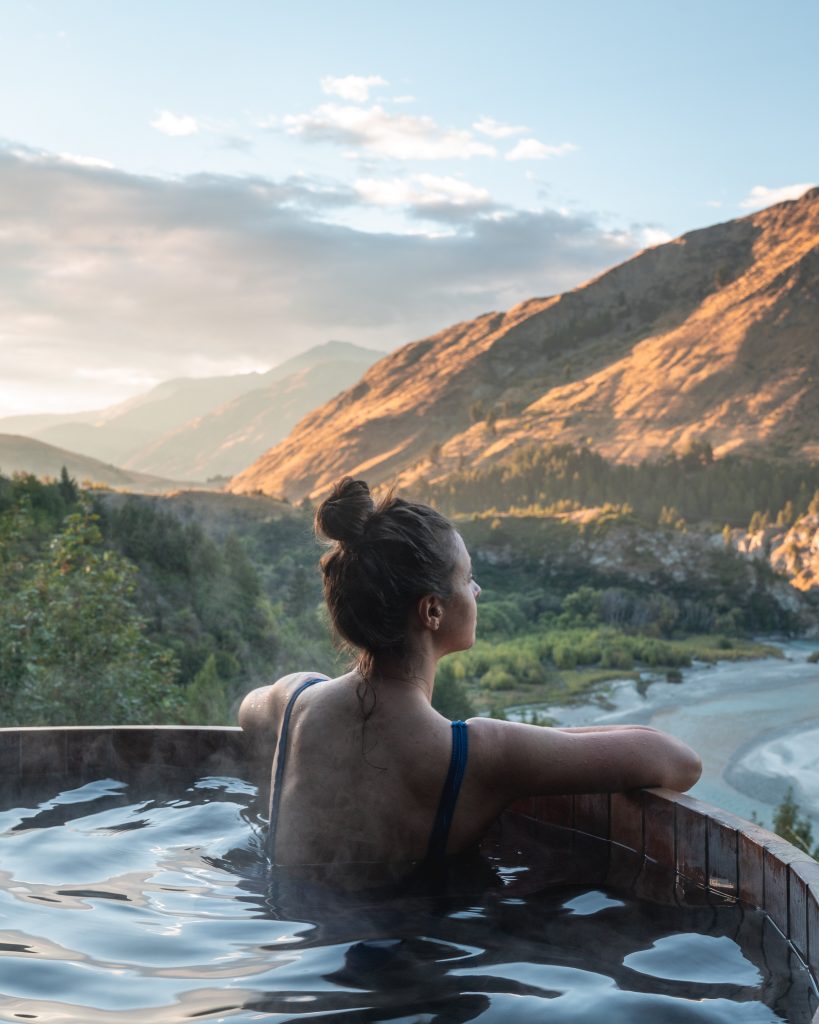
We hiked back to the van and started the journey toward Queenstown for a bit of a spa day after all our hiking. We had a sunrise soak scheduled at Onsen Hot Pools, a series of idyllic wooden tubs perched on the hillside above the Shotover Canyon. This is one of the most unique and natural day spa experiences I’ve ever had, and was such a nice treat. Erin five years ago would have freaked out! If you are looking for a way to treat yourself on your trip, this is a great place to do it.
When in Queenstown, wine tasting is a must… if wine is your thing, that is. It happens to be a thing for us, so we did some tasting at Peregrine Wines before heading to Amisfield Winery for more, as well as a giant delicious cheese plate we inhaled in an embarrassingly short amount of time. 🙃

I am (obviously) a huge fan of outdoor activities, but even for folks who love being active outside, it’s nice to take a day or two to slow down and indulge in some other, more “indoor” activities that New Zealand has to offer. After our spa and wine day, we felt refreshed, rested, and excited to go out on another hike. We found a waterfall hike near Queenstown in our NZ Frenzy guidebook (so worth buying), and decided to follow the recommendation. We were not disappointed and we barely saw anyone else on the trail.
Wanaka was our next stop, and we headed straight for the Mount Iron Track. This quick 5km loop offers beautiful 360 degree views of the lake and city, and was especially lovely at sunset. It is easy to see why people live in Wanaka with this access.

When we were planning this trip, I was hoping we would be able to stop by one of the farms I worked at when I was here 5 years ago. I sent an email to one of the farmers and heard back within 15 minutes with an invitation to stop by! A quick coffee visit turned into a two night stay, some lovely meals shared together, and some jobs around the property. It was truly so fulfilling to visit the farmer and be able to contribute in some way.
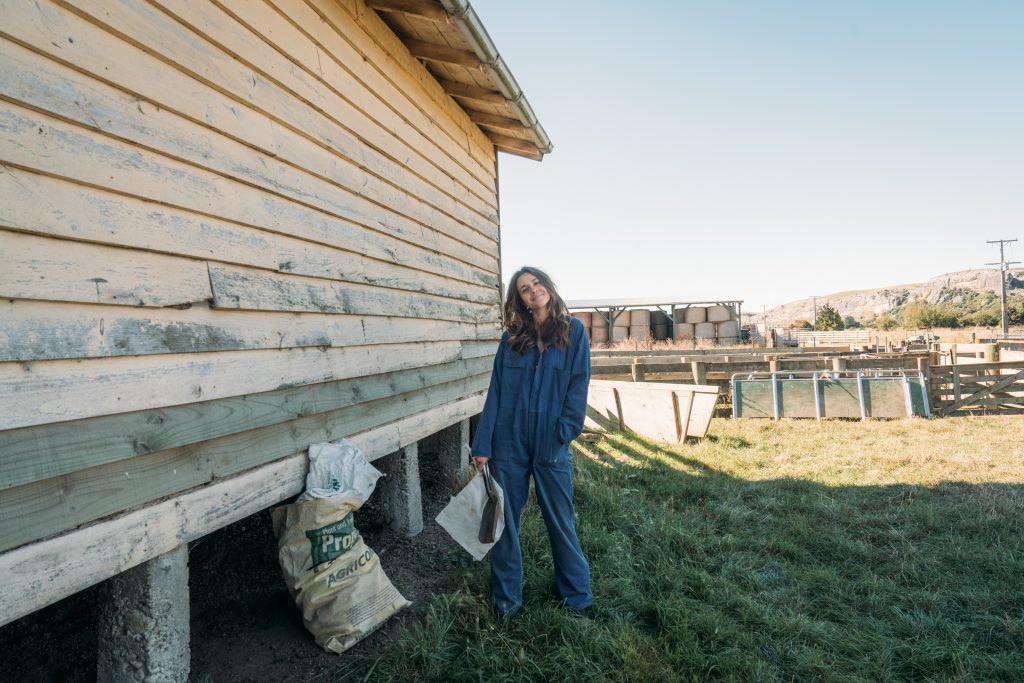
farm stuff.


As our trip came to a close, we cleaned out our home on wheels and got her ready for her return in Christchurch. As Rachel and I both had very early flights, we booked an Airbnb close to the airport for the night. We sadly didn’t have time to explore Christchurch, but I have been before and know what a cool city it is. That’s the thing about New Zealand… there is truly SO much to do. Even if you had a full year, you would still not be able to do or see all of the amazing things packed into these two magical islands.

Hopefully this gives you some ideas! If you’d like to see any of what I talk about in this post in video form, check out my “New Zealand” highlight on my Instagram stories.

QUICK FAVORITES LIST:

This trip really just scratched the surface, and there are plenty of things we missed simply because we did not have time! If you’re reading this because you are planning a trip to New Zealand, you’re in for a real treat. Have fun! Questions or feedback? Let me know in the comments below. As always, thank you so much for reading and following along. I appreciate you. 🙂


Some of the activities listed here were sponsored. As always, all opinions here are my own.

This post is sponsored by The Beaches of Ft. Myers & Sanibel. As always, all thoughts & opinions are my own.
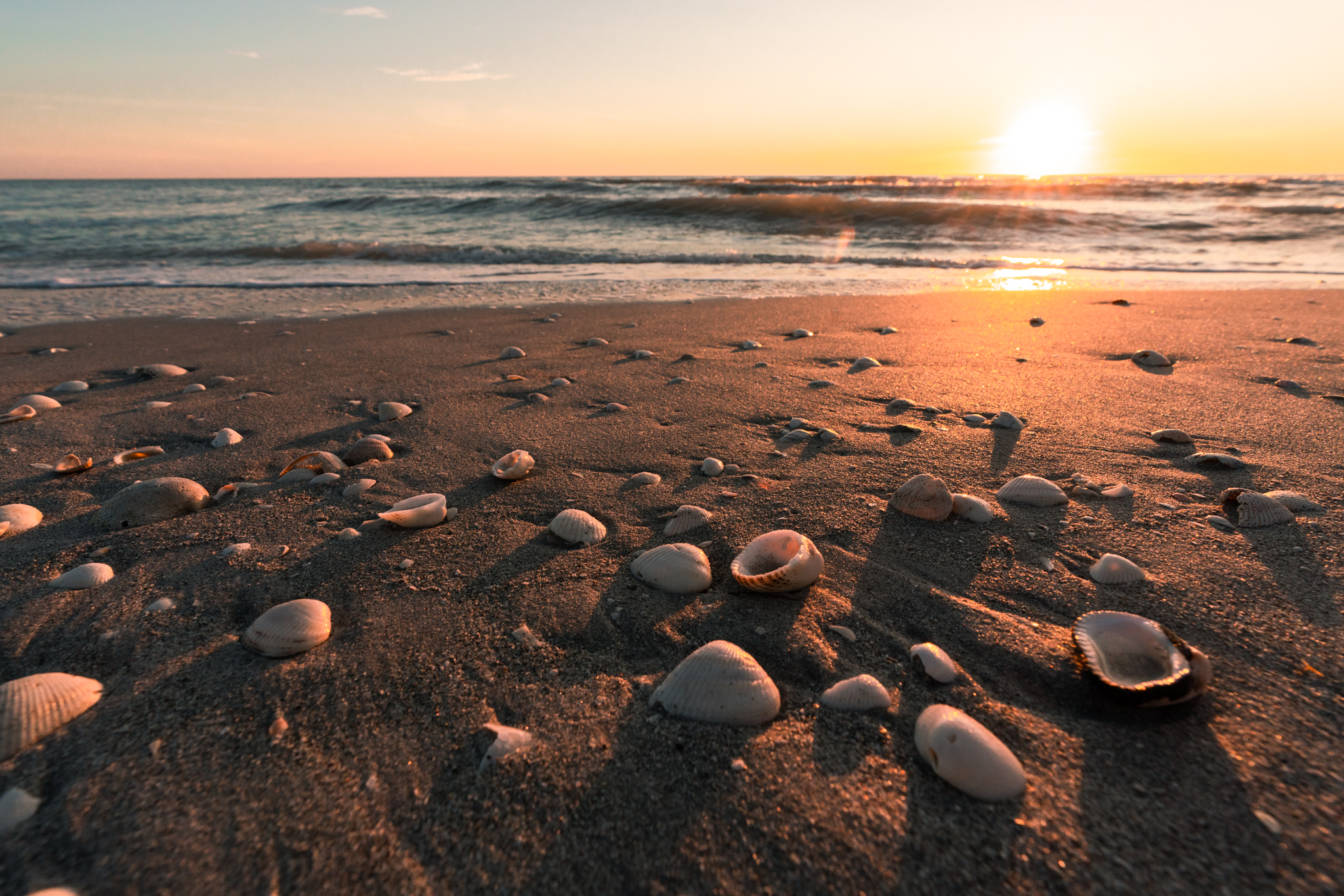
Over the course of my life, my mom has always collected seashells. Every summer, we would go on walks to see what we could find–– periwinkles, horseshoe crabs, jingle shells, and the always coveted blue seaglass. So it was no surprise when a few years ago, my mom started talking about a place she wanted to go: Sanibel, Florida.

Maybe it’s because I first heard of Sanibel from my mom, but to be honest, I thought it was just for retired people looking for a beach vacation during the winter. 😂 And while sure, it’s a great place for East coast “snowbirds”, this is also a beautiful and thriving environment for those interested in wildlife, the outdoors, and unplugging for a little while (or for as long as you can, anyway).

The area is certainly known for its seashells, and is a popular spot for shelling (the actual word for collecting seashells). Two thirds of Sanibel is protected, and it seems that everyone acts with nature in mind. Sanibel’s vibe is laid back and relaxed, with biking a popular mode of transportation. There are plenty of activities for the outdoorsy crowd, numerous scenes for wildlife and outdoor photography, and stunning beaches if you happen to be traveling with someone who isn’t as into photographic pursuits as you are.

ITINERARY

When working with destinations as I was on this project, I don’t always get to choose my itinerary. In this case, I was able to do all of the activities I was interested in, and I could have filled even more days very easily. I figured I would lay out this post in the format of my personal itinerary so that you can utilize it if you visit in the future. Though I was by myself for most of this adventure, my parents joined me for a few activities, and in general, I found this area to be great for both solo and family travel.

DAY 1

On my first day, I headed out early to Captiva at the northern end of Sanibel to meet with Captain Brian. I had known that I wanted to island hop around the area by boat (um hello, dolphins, manatees, and a TON of birds… obviously.), and did some research on how to go about it. While I am 100% positive that Sanibel is full of knowledgeable and fun captains and charters, I feel like I seriously lucked out with Captain Brian. This guy is amazing, not just for the places he took me to, but he is extraordinarily passionate about wildlife, the outdoors and the cultural history of the area.

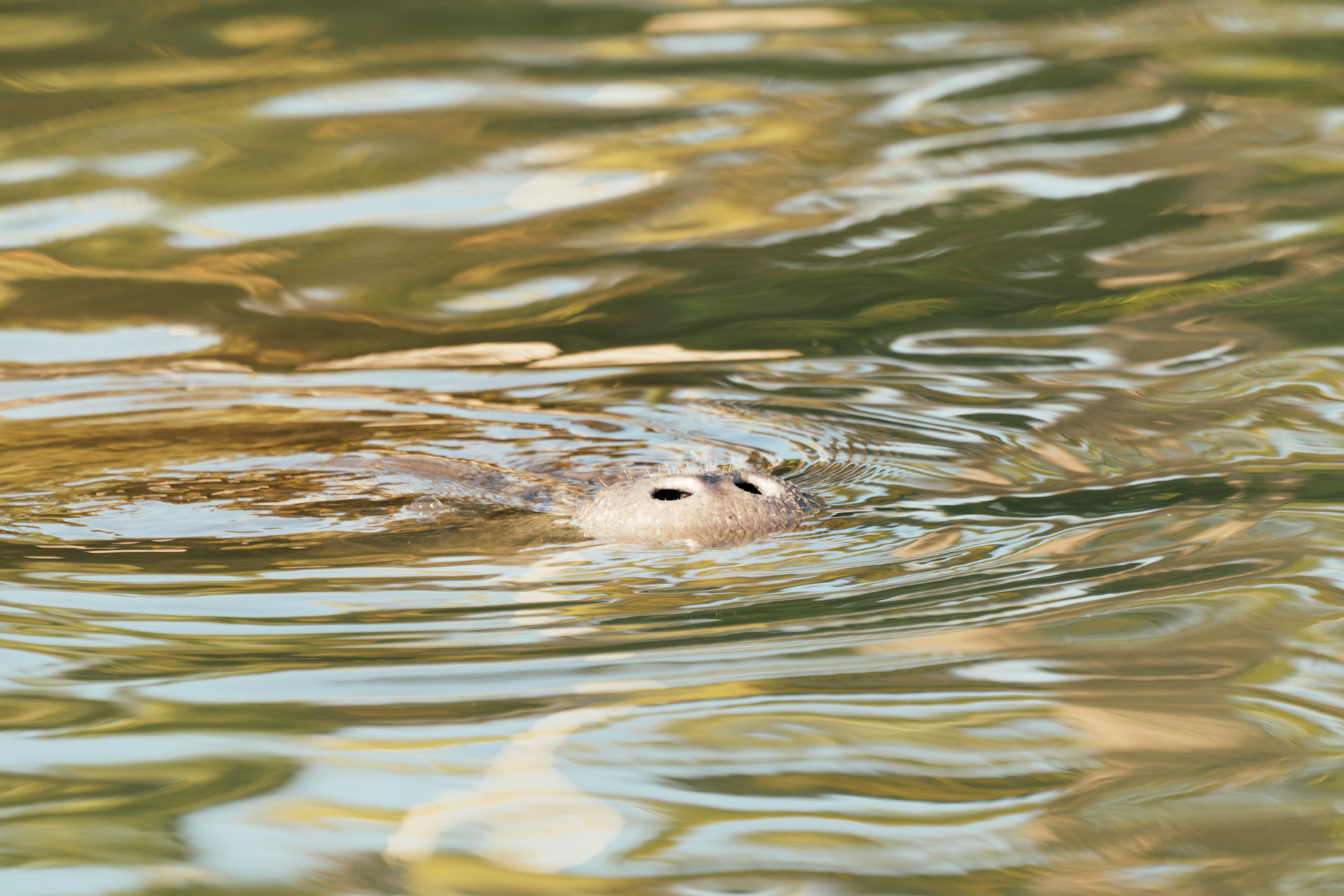
Manatee snout. A group of them were hanging out in the marina. I thought they were so cute.


Along with the wildlife, I was intrigued by the Calusa shell mounds that remain from pre-colonial Florida. Much of Southwestern Florida is ancient Calusa territory, and I believe it is so important that we as visitors seek out information about whose land we are on. As we traveled through the estuary, Capt. Brian started painting a picture for me of what the civilization may have looked like during its peak, around 700-900AD. The shell mounds were often ceremonial, but may have been used as a sophisticated form of navigation as well.

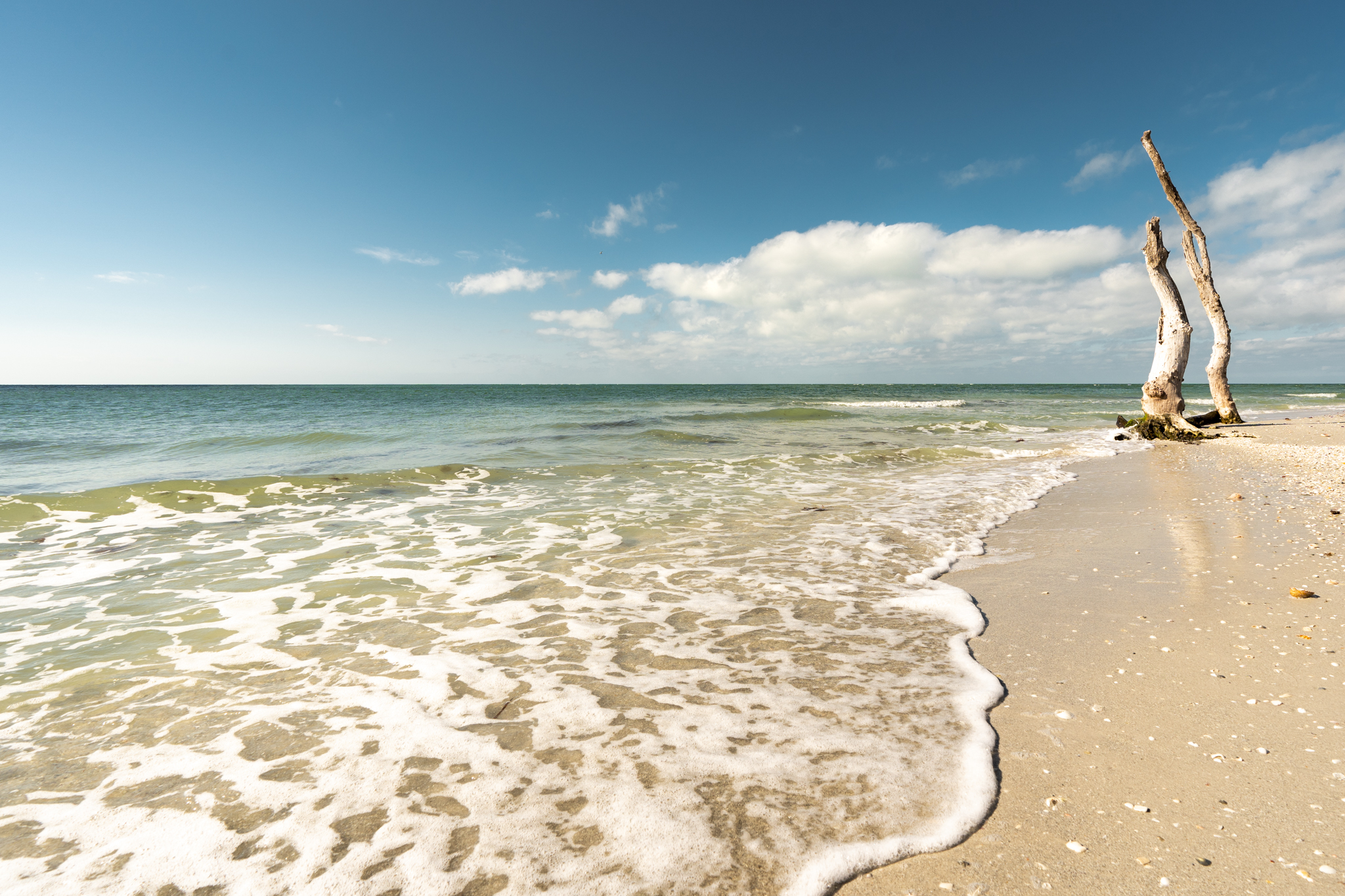
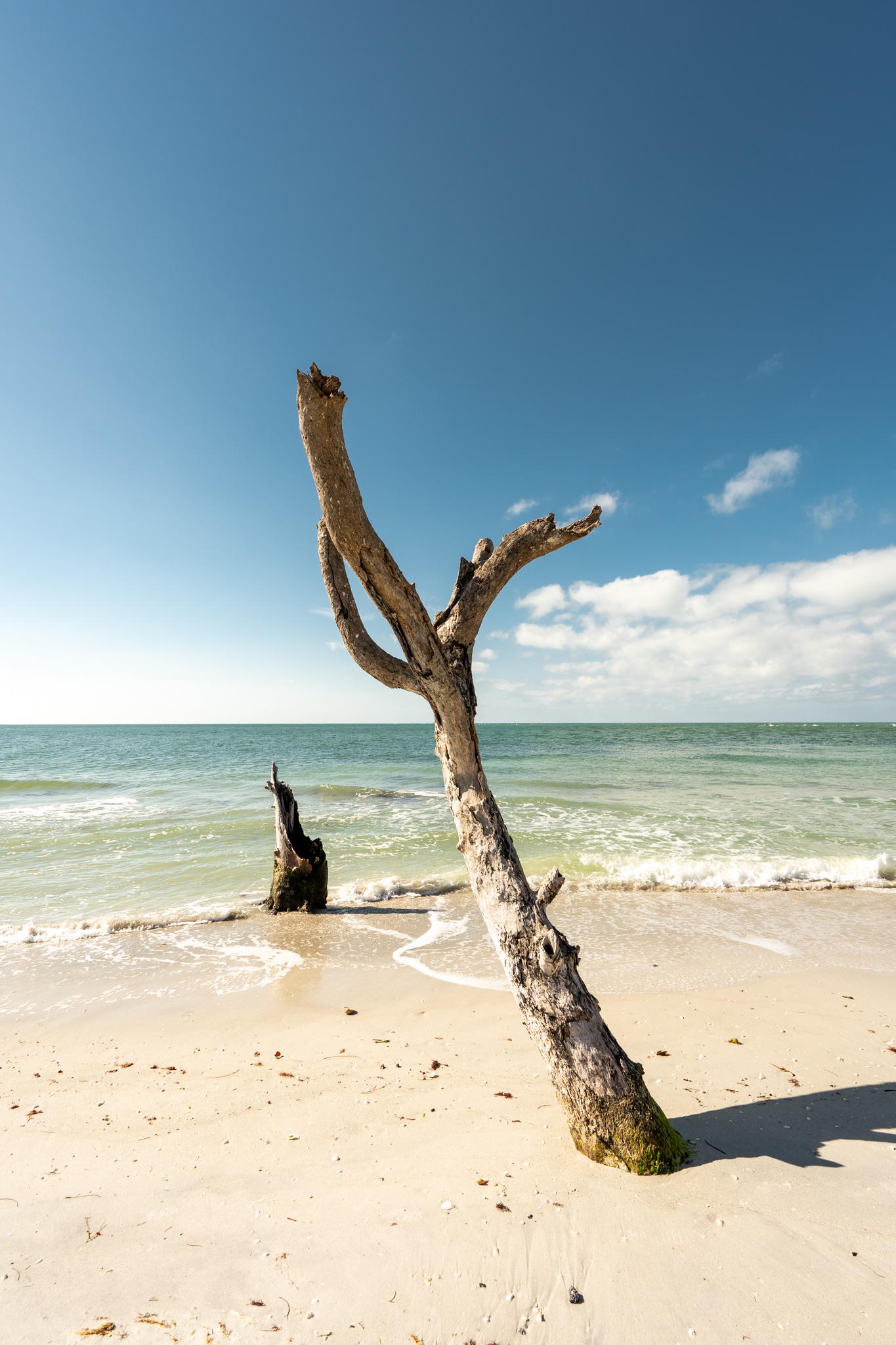
Our end point for the day was Cayo Costa State Park, where we’d be camping. It’s safe to say that nine miles of beach (with boat-in only access) is one of my love languages. I chose to reserve a cabin, but the tent sites looked great as well. One factor (which some of you messaged me about) is the bugs–– apparently they can be less than enjoyable, depending on the time of year. Luckily for me, we experienced almost no bugs. Just bring bug spray to be safe!

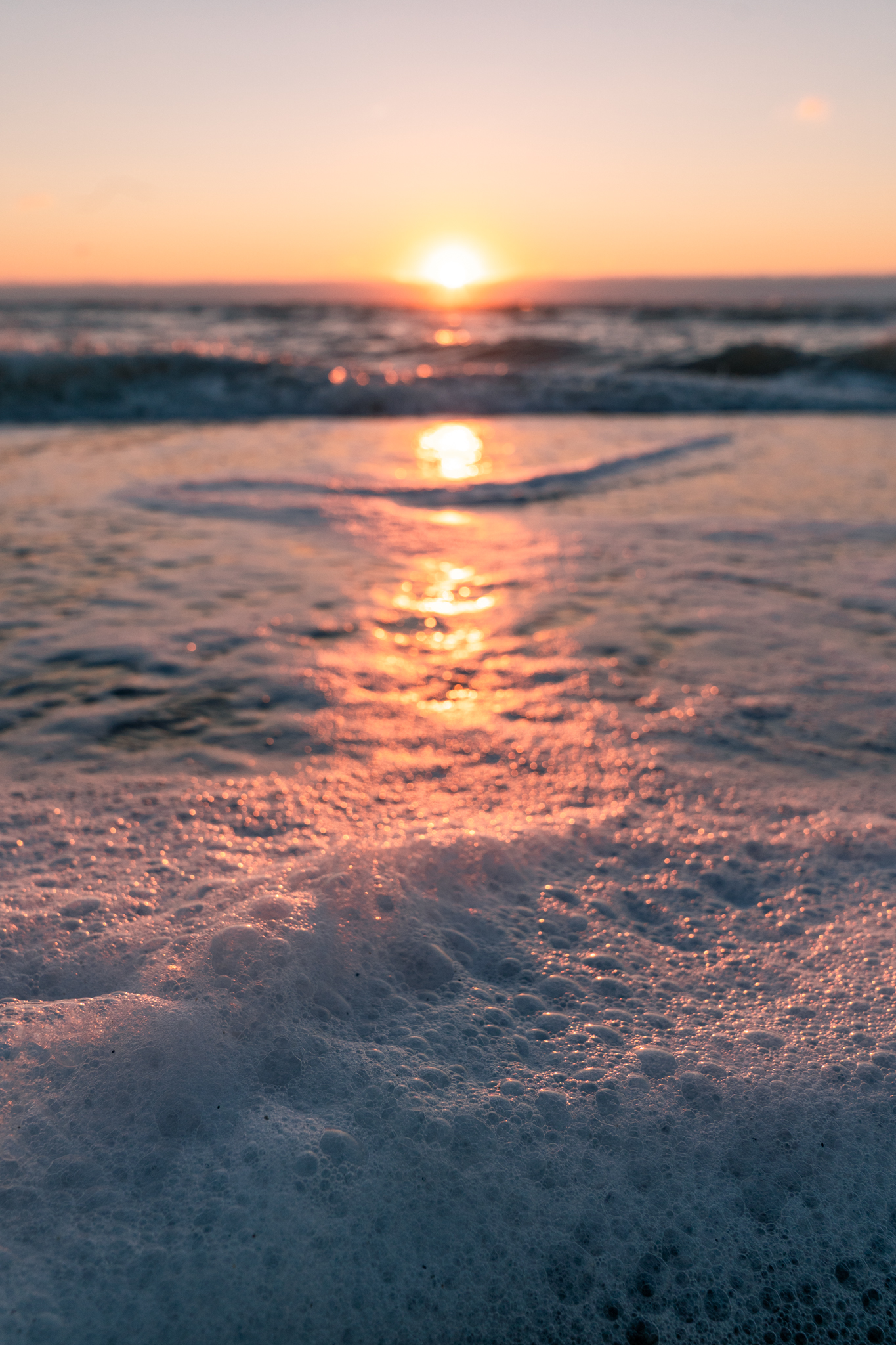
For sunset, I walked to the beach and had so much fun capturing the pink and orange light in the seafoam. There were a few other people on the beach, but knowing they were all camping too made them feel like friends. By this point, Capt. Brian and I were good buddies, and as an adventure guide myself, we had lots of stories to share by the fire before calling it a night.

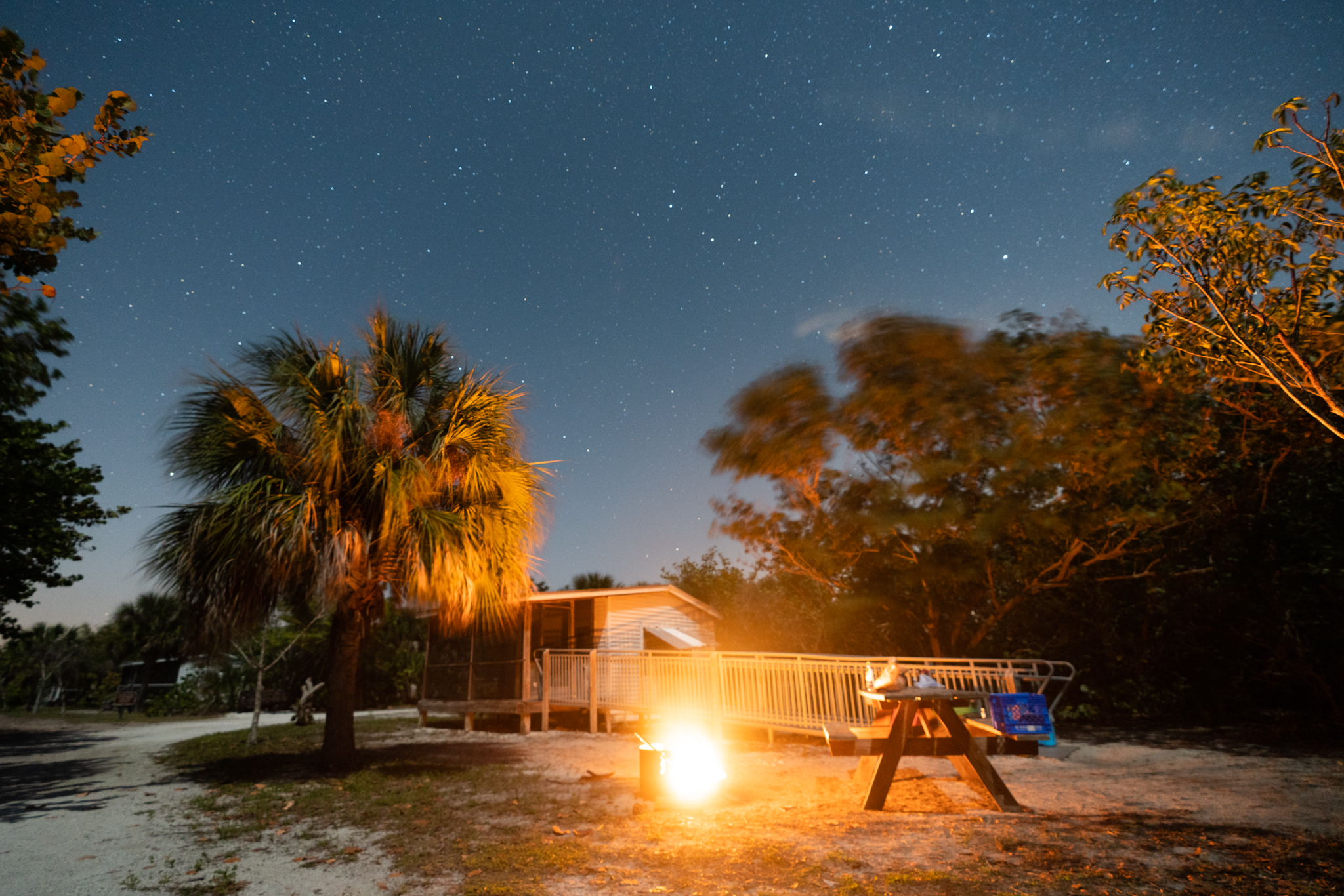
My cabin for the night! There are 27 tent sites and 12 cabins total. This one is handicap accessible.

DAY 2

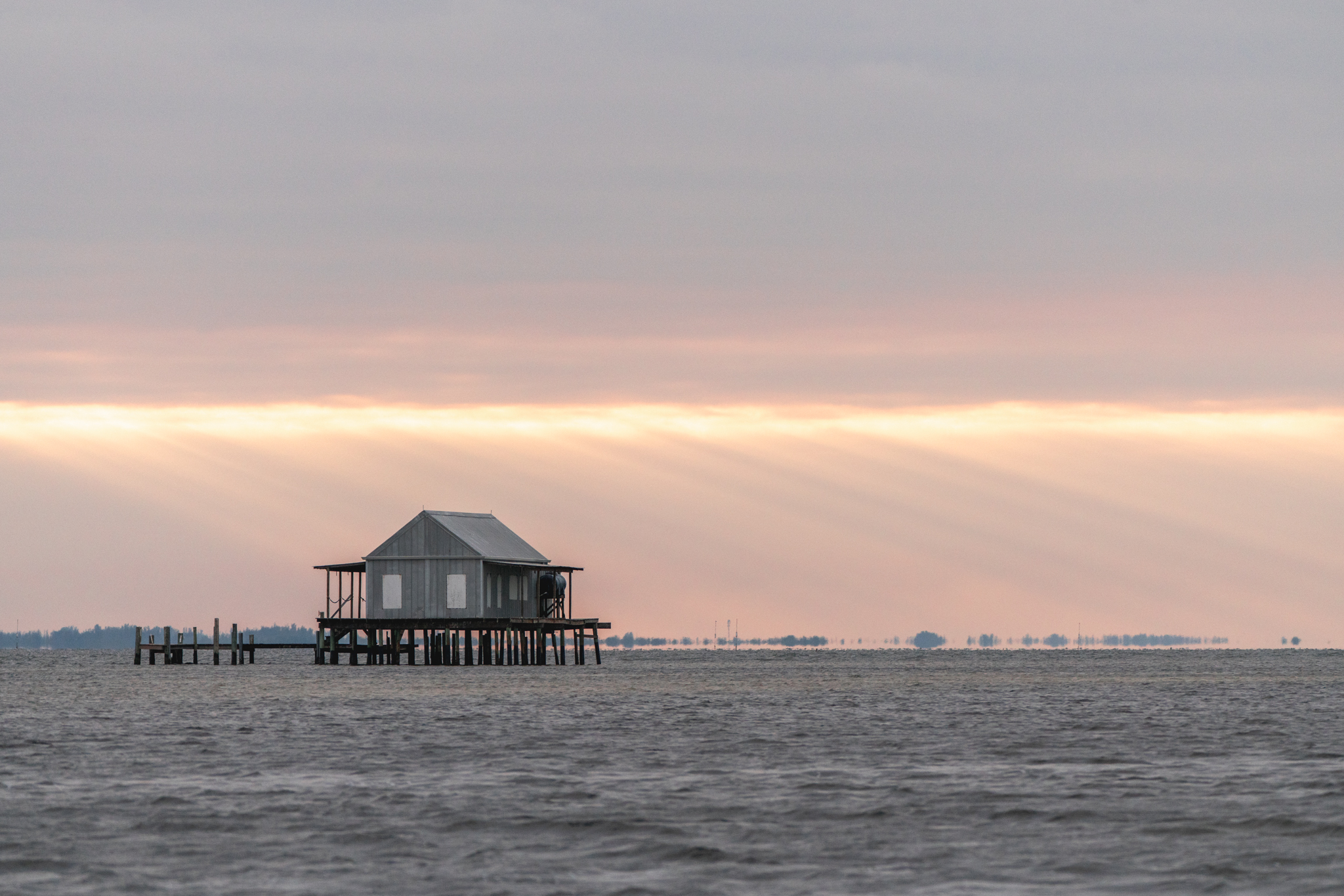
I was so tired in the morning, but the hope of a nice sunrise was enough for me to drag myself out of my sleeping bag. Though the clouds didn’t end up breaking through too much for us, it was still cool to check out some of the old fish houses on the water. I think these would be great to photograph at any time of day, as there were lots of birds hanging around. We next headed to Tarpon Bay Lodge on Pine Island to warm up a bit (plus I legitimately could not keep my eyes open… oops). After a much needed cup of coffee, we walked across the street to the Randell Research Center–– a must if you’re as interested in culture as I am! Capt. Brian and I walked the self-guided trail, which features illustrations and informational plaques, as he shared his extensive knowledge of Calusa people and history. If you can’t make it to Randell, but are interested in Calusa history, check out Mound House in Fort Myers.

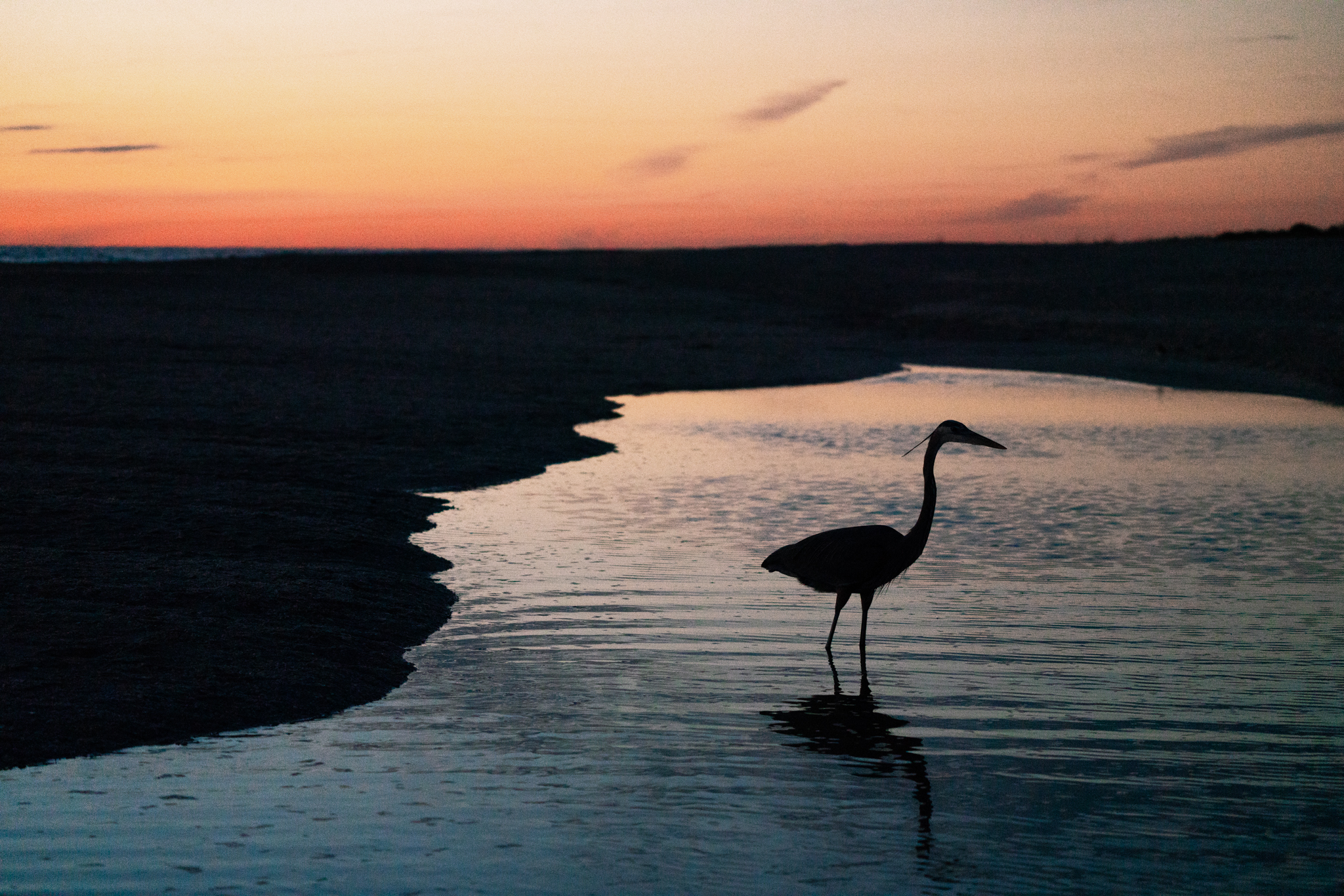
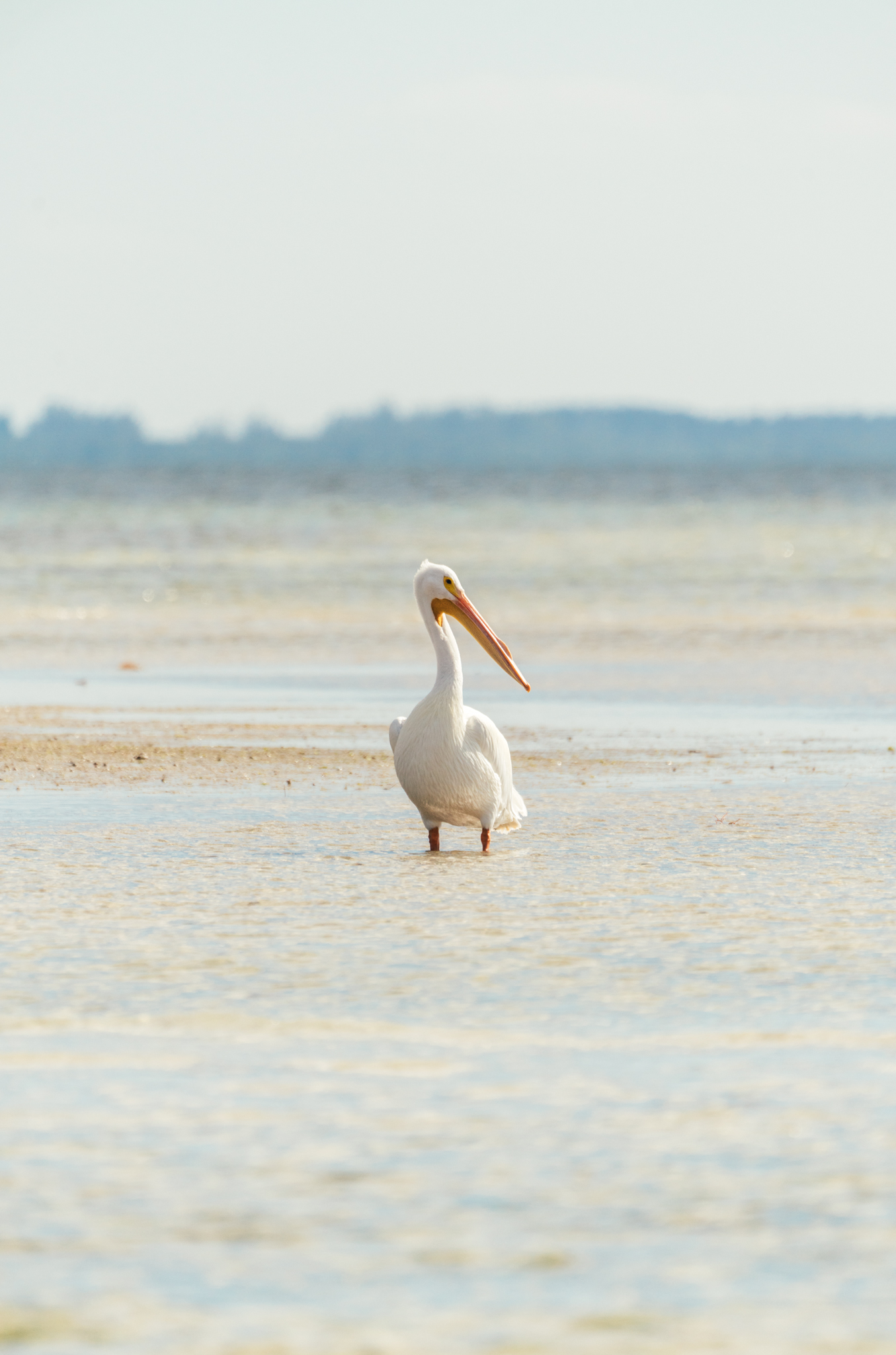
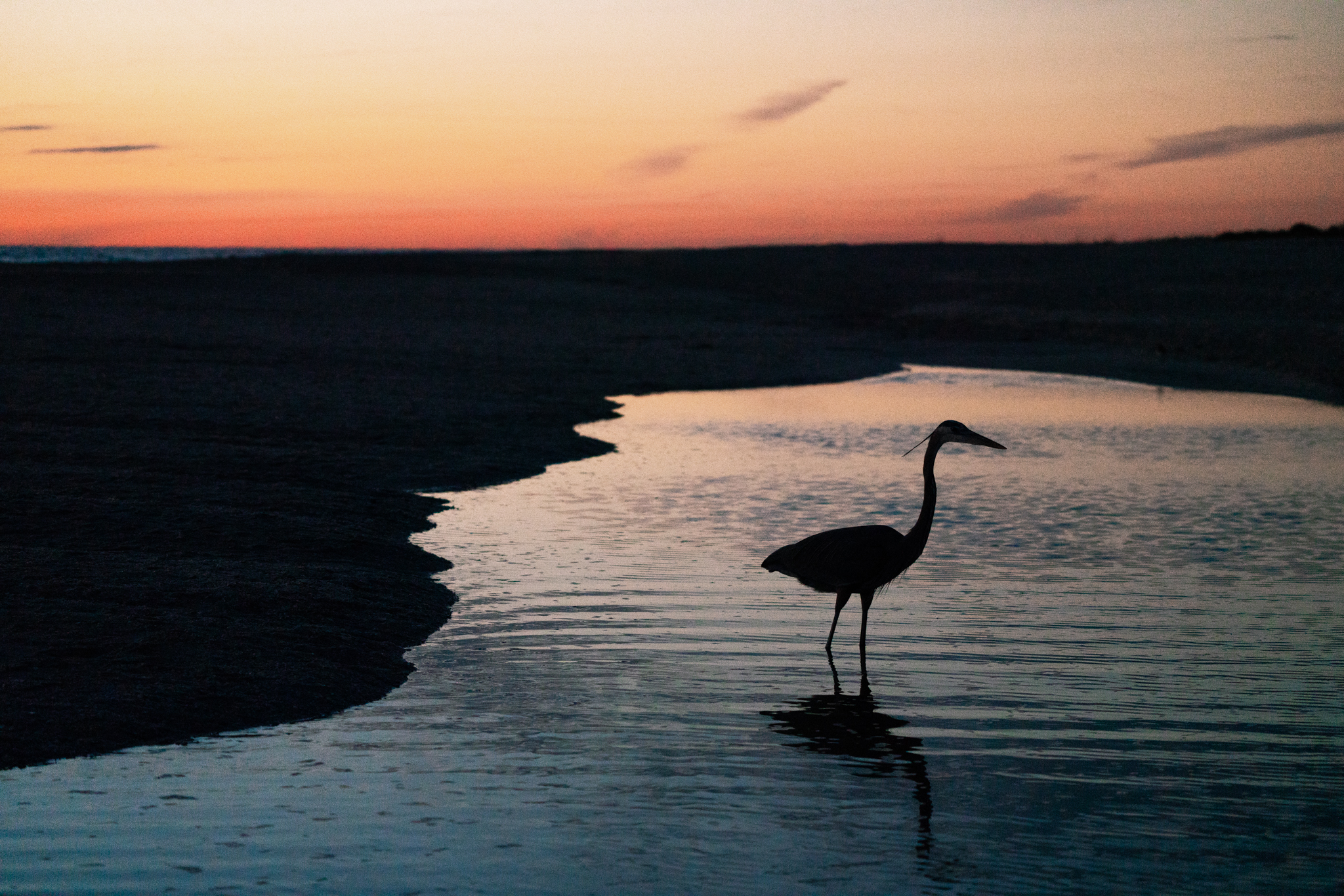
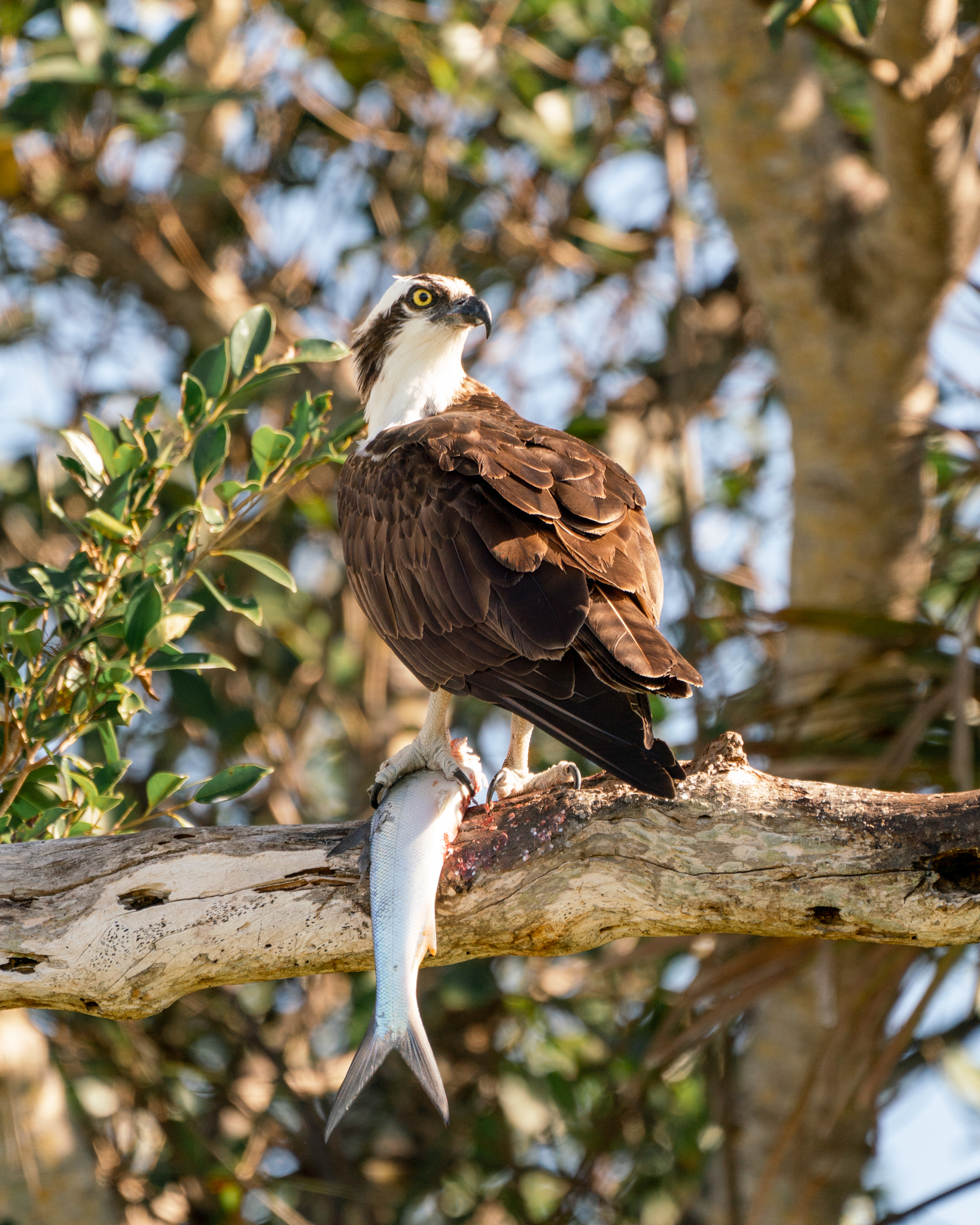
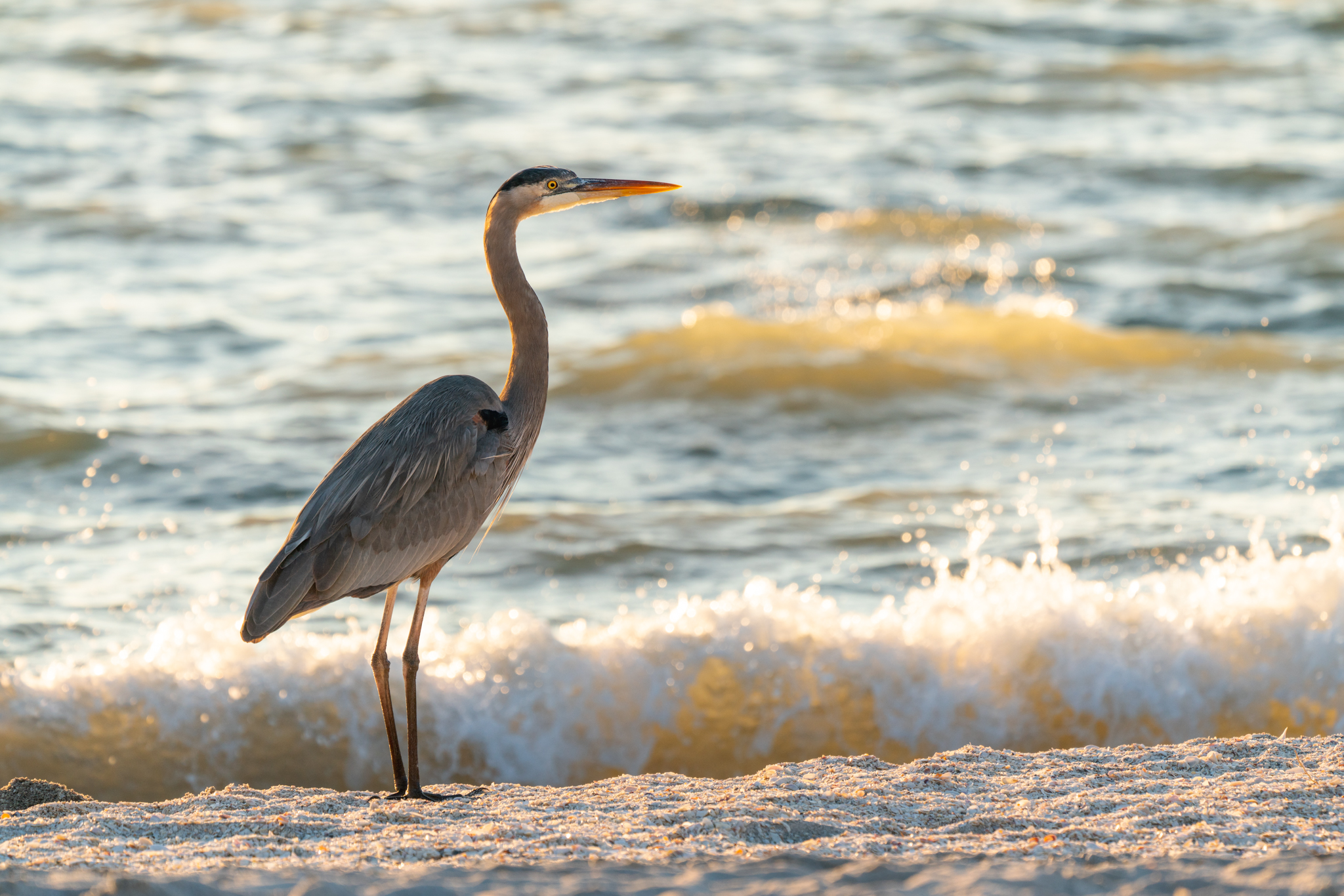
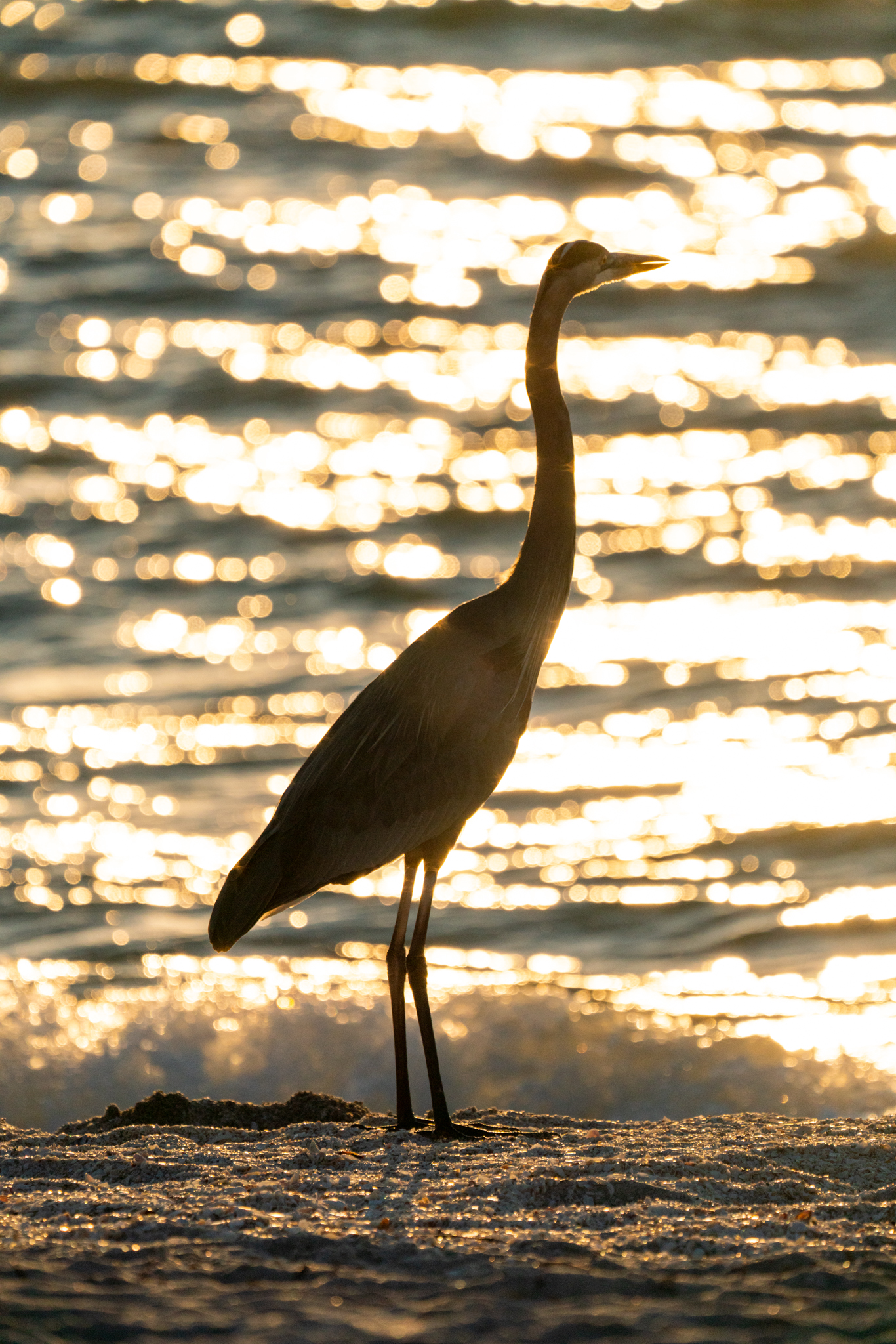
Sadly my guided charter was coming to a close. I thanked Captain Brian for an excellent trip and headed to check in to my cottage, home for the rest of the trip. Blind Pass Beach was my first sunset stop on Sanibel, and where I hung out with a Great Blue Heron that was walking along the tideline. There were a few other people shooting the sunset, while others were collecting shells. Of course, the beach itself is pretty, but this week my real interest point was photographing the birds.

DAY 3

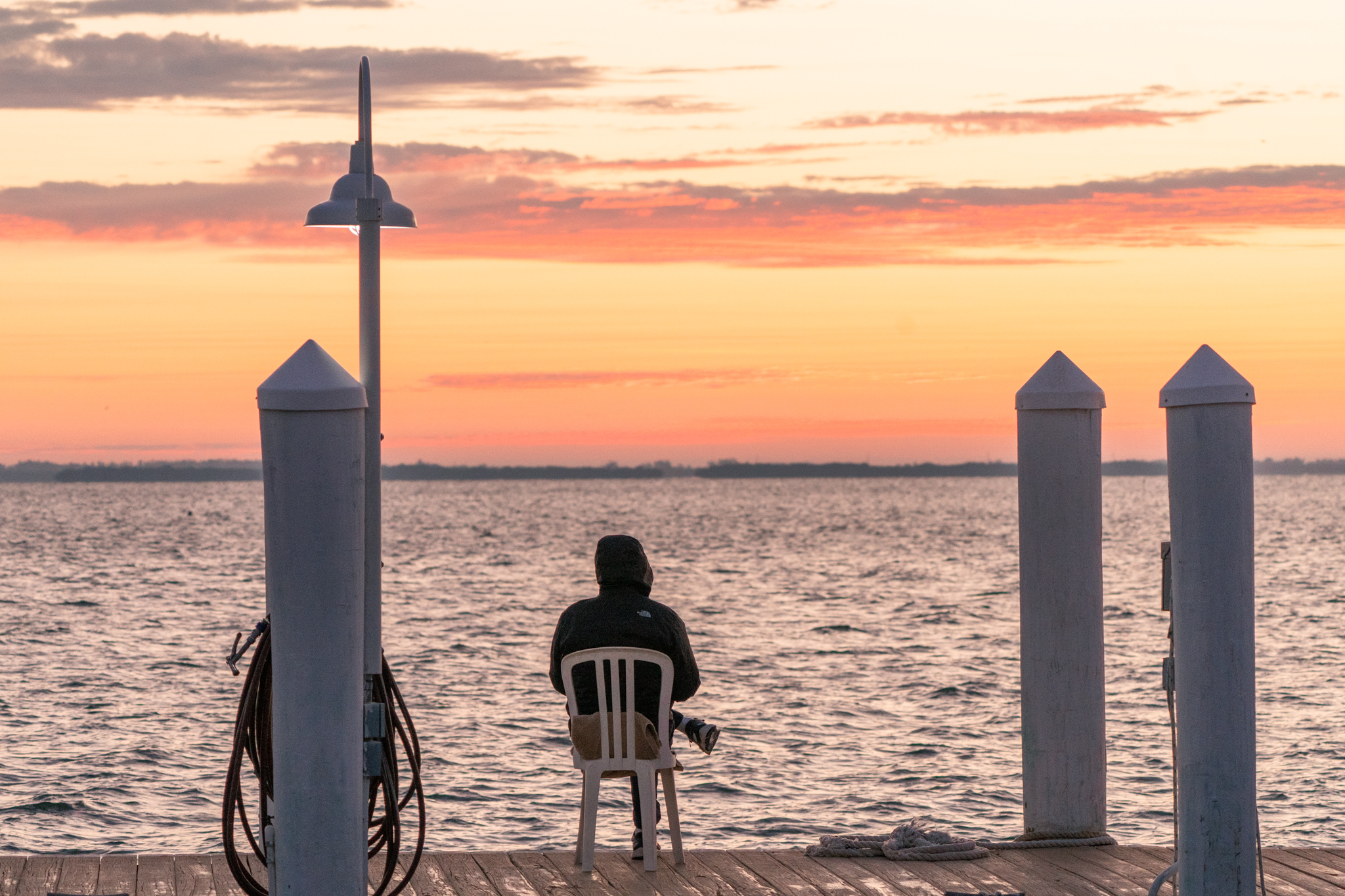
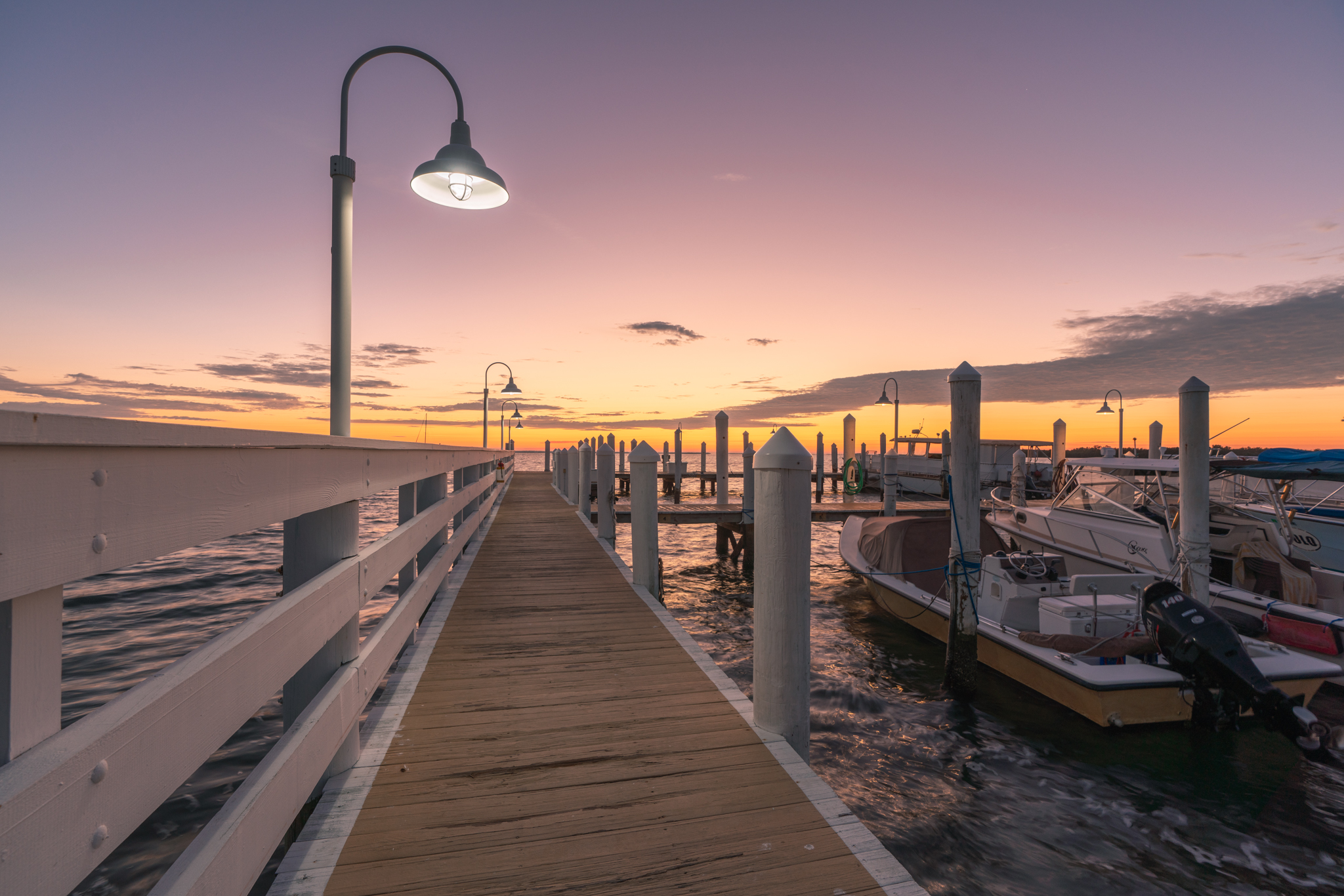
At the recommendation of Captain Brian, I woke up to shoot sunrise at McCarthy’s Marina. I was setting up as I saw a man walking toward the dock with a plastic chair and a towel. I thought to myself, no way is this dude about to go swimming. It was not exactly warm. But the man passed me and walked to the end of the dock, positioned the chair toward the sun and sat on the towel. He was pulling up a seat to watch the sunrise. He definitely had the right idea. Moments like that remind me to be present.

Sunrise at McCarthy’s Marina on Captiva. Note this is a private marina, so if you want to shoot here, get their permission first.


My parents drove up to join me for a tour of J.N. “Ding” Darling National Preserve with environmental educator Toni Westland (who I would learn is an incredible human being). I was originally not sure if this tour was going to happen because of the government shutdown, but luckily 38 “priority” National Preserves were re-opened the week before I arrived, and Ding Darling happened to be one of them. The main purpose for National Preserves is the protection of wildlife, and it’s unfortunate that the other 500-something Preserves were going unstaffed during the shutdown (not to mention the National Parks, EPA, and other federal entities), and of course, that employees were going unpaid.

Toni took us on a tour of Wildlife Drive, which is a 4 mile loop you can drive or bike. Initially instituted for mosquito control, Wildlife Drive is now a fantastic place for wildlife viewing at multiple viewpoints. The estuary was super calm and full of birds. Indeed, this feels like a sanctuary.

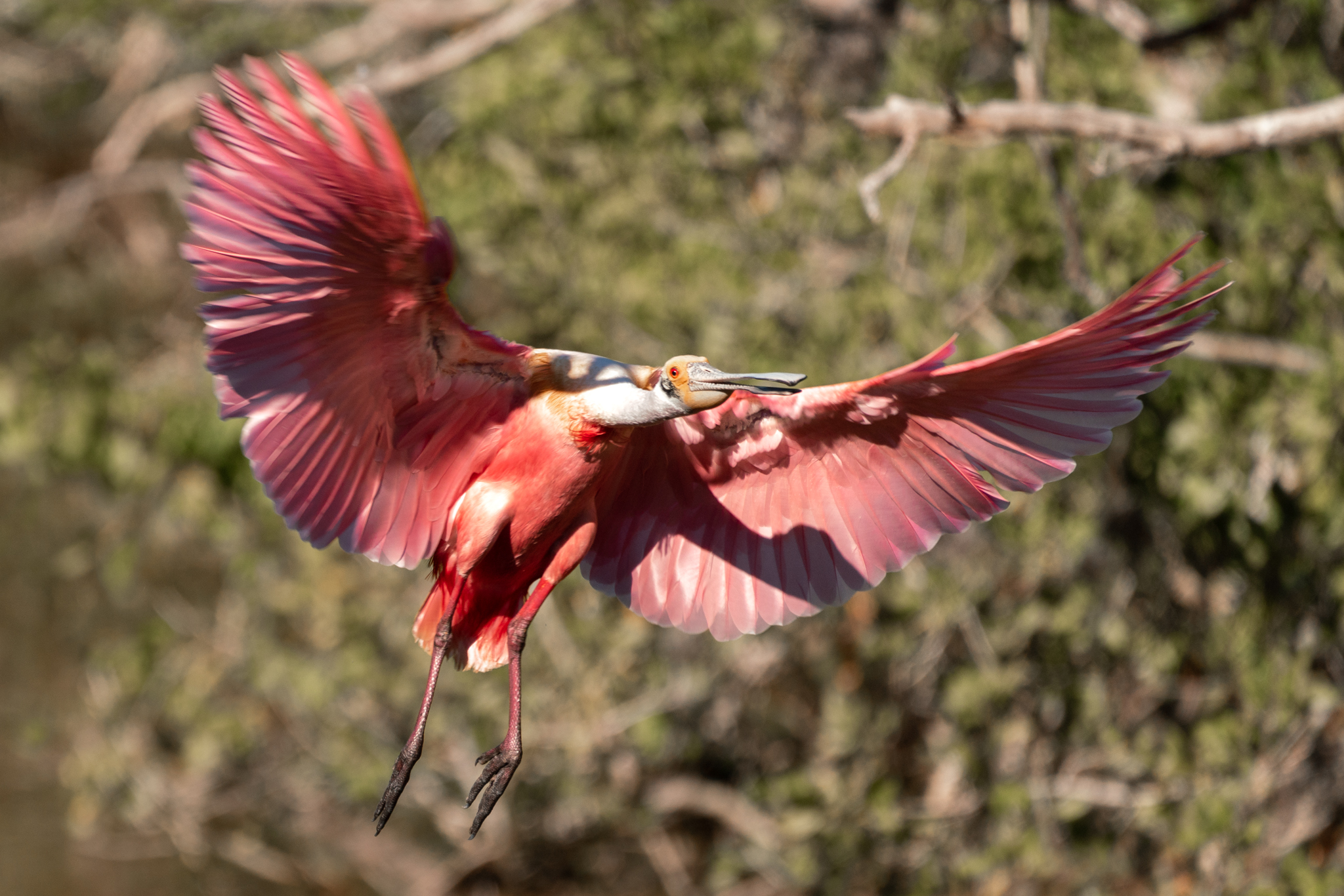
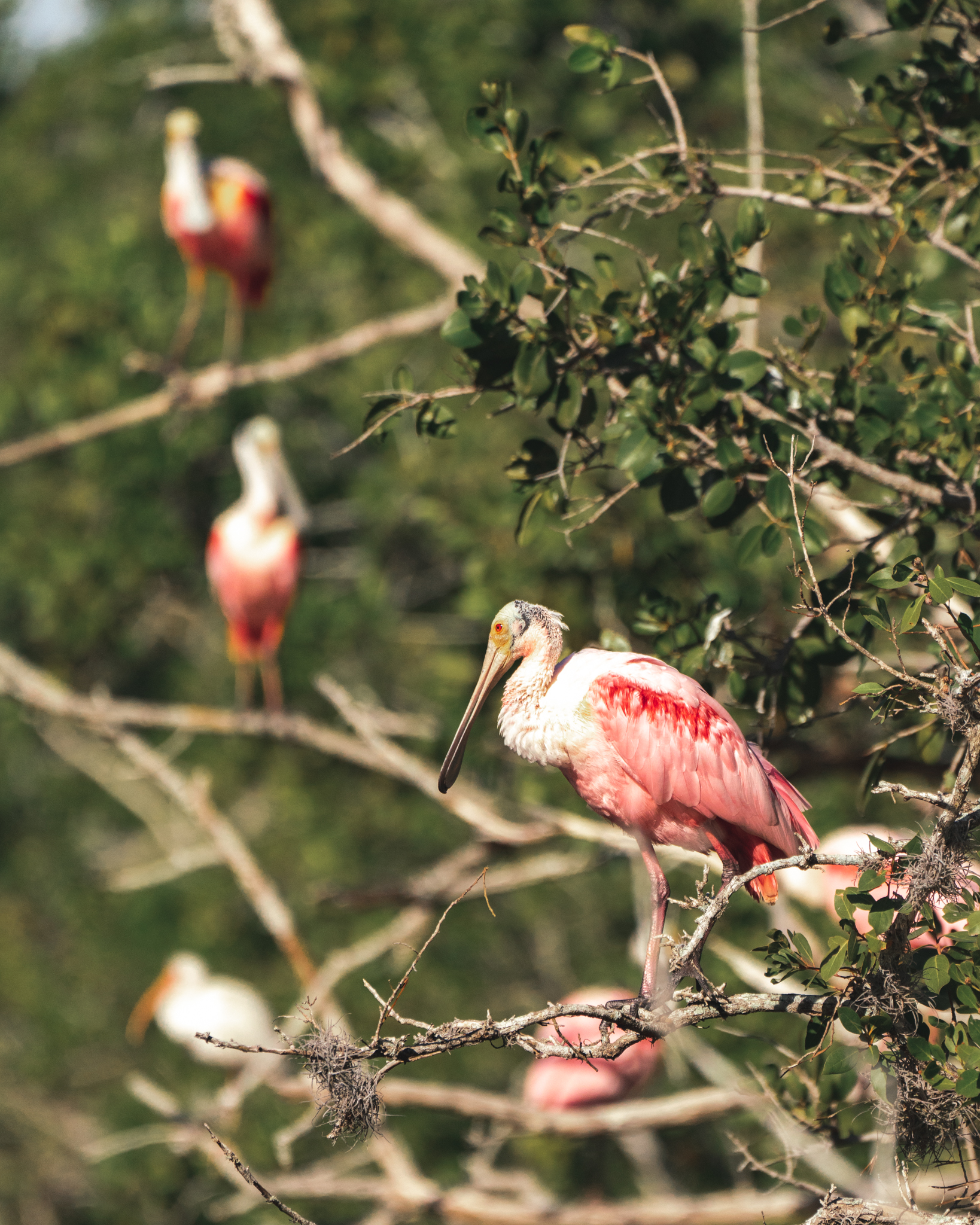
As if it were her grand finale, Toni took us out on the Wildlife Education Boardwalk (or “WEB”), which was a collaborative project with the school that shares a border with the Preserve. Toni told us about the creation of the WEB, which features animal tracks pressed into the surface, and sculptures of animal poop along the side (super educational and fun). We rounded the corner to see 12 Roseate Spoonbills on the trees and both Toni and I whisper-yelled with excitement. This was one of the birds I really hoped to see on my trip.

Roseate Spoonbill mid-flight, viewed from the gazebo on the Wildlife Education Boardwalk.


Massive thanks to Toni for being an enthusiastic and informative tour guide. I am so grateful for people like Toni, who are deeply passionate about the important work they do for wildlife! If you come to Sanibel, spend at least a morning in Ding Darling and leave time to just observe. There is a lot to see, especially if you takes some time to really look. 😉

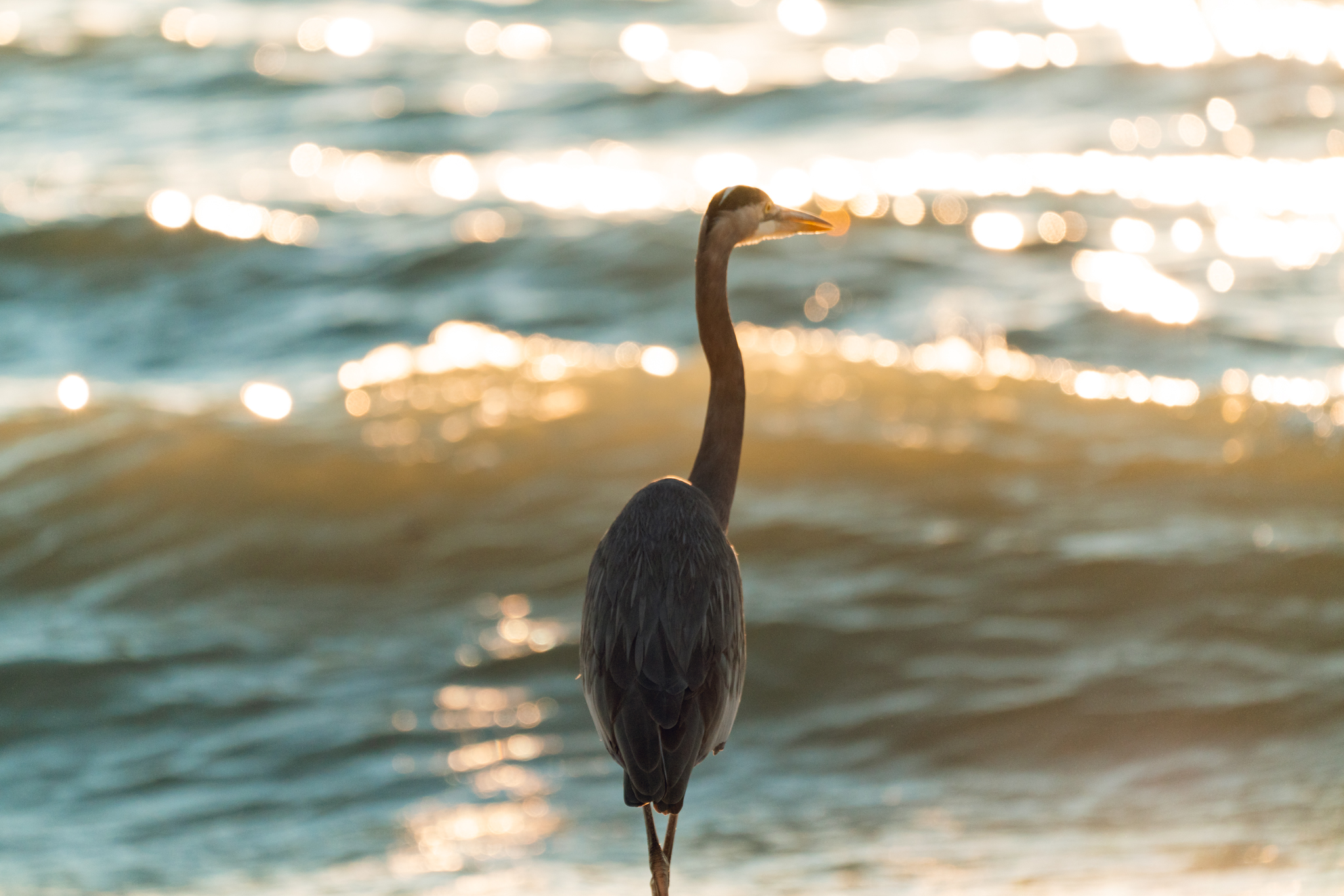
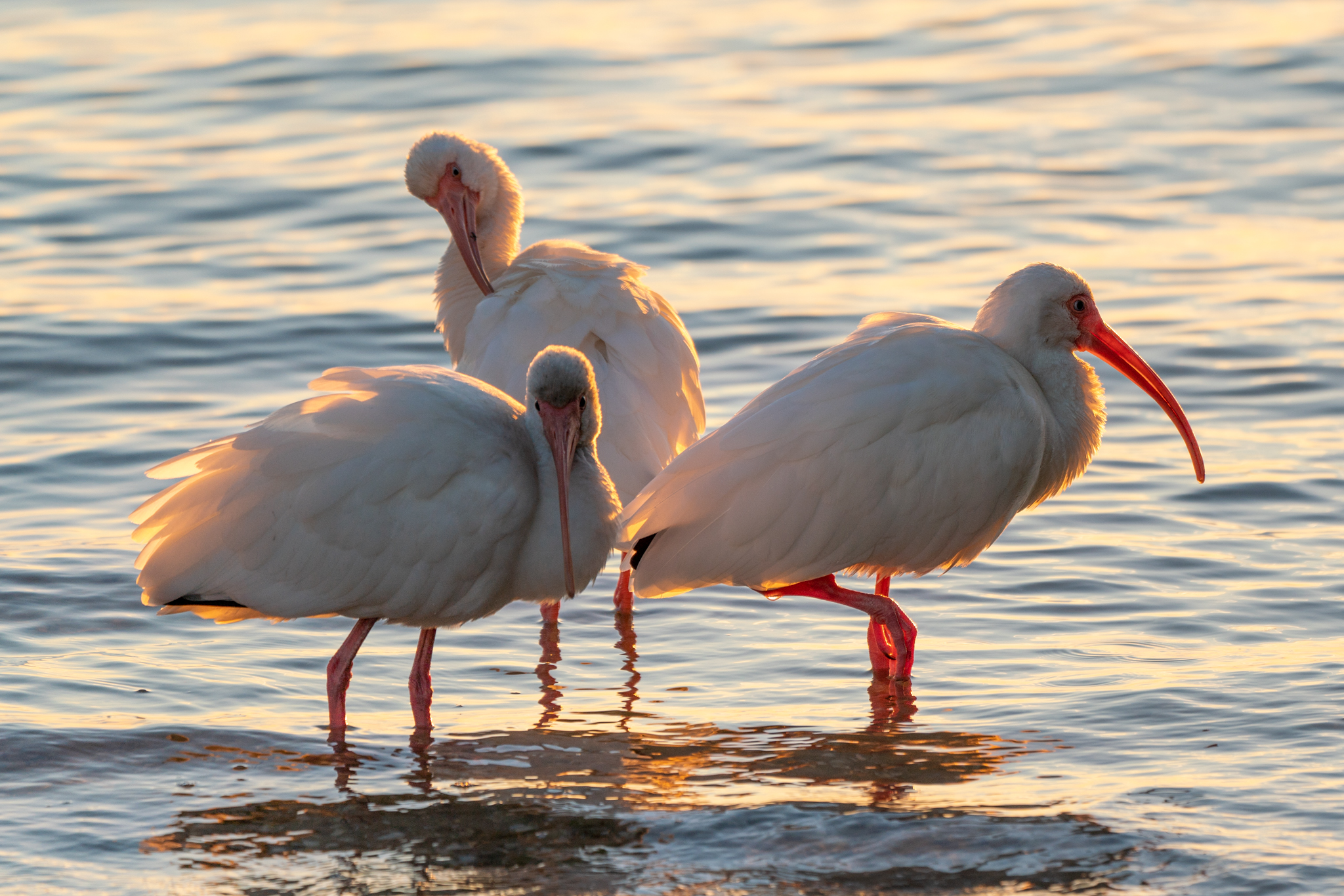
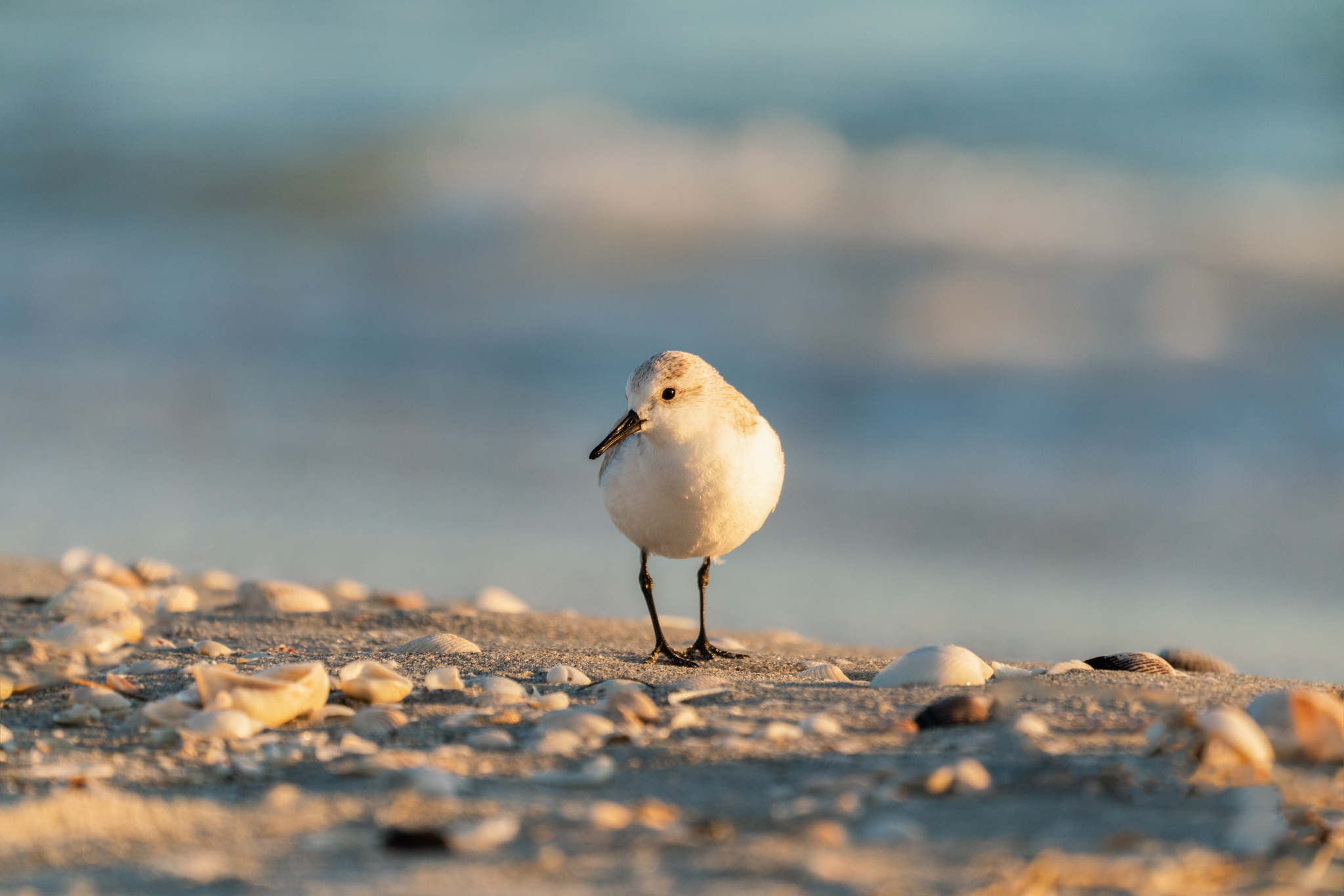
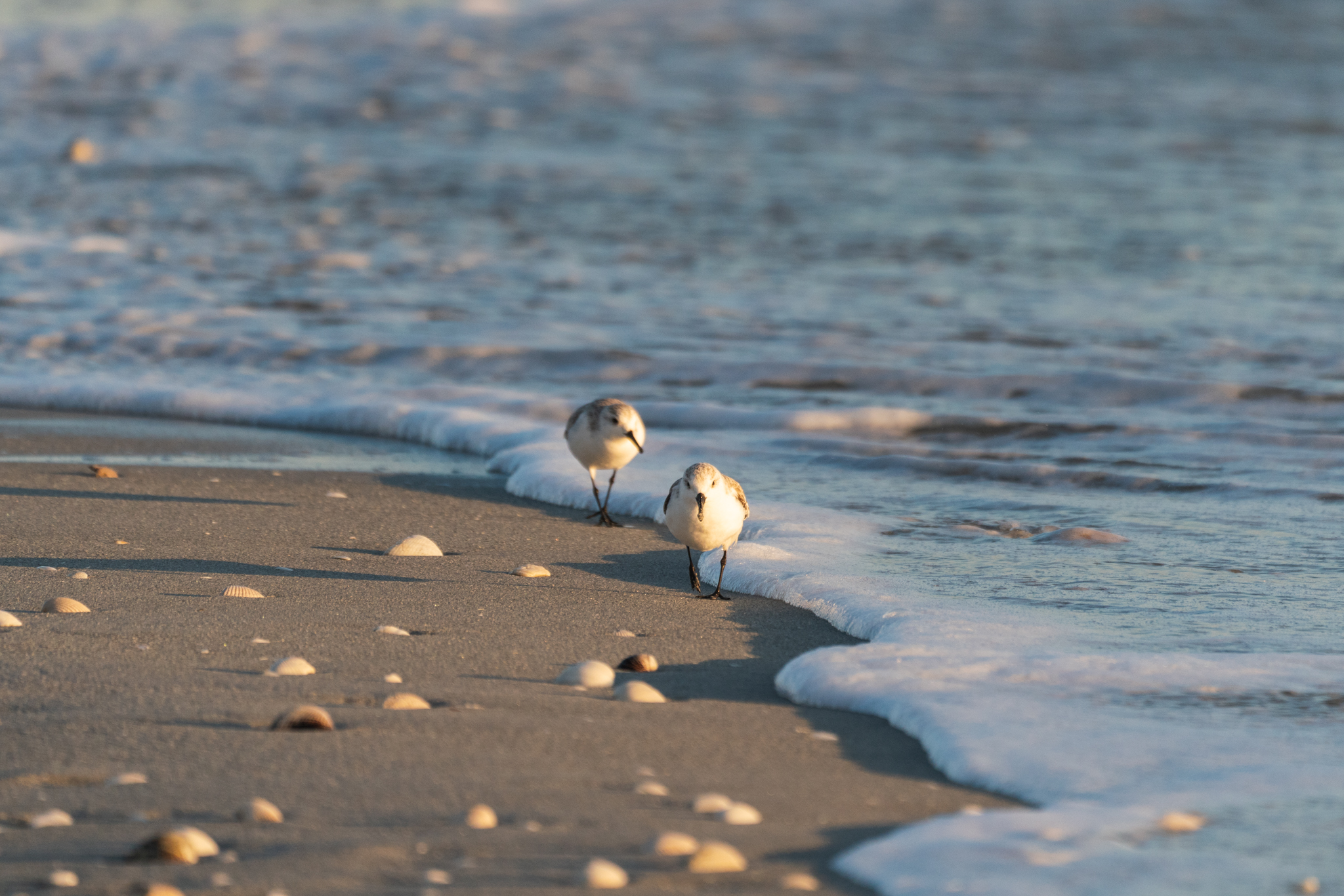
Bowman’s Beach was my next sunset location. It was fun to shoot the little birds at golden hour while I waited for more color. I felt like I was getting to know these birds as I photographed them. After sunset, I was able to spend some quality time with a great blue heron who seemed to be posing for me. Overall I fell in love with the soft colors here. If you have limited time on Sanibel, Bowman’s Beach is a good bet for an afternoon stroll and a nice sunset.

DAY 4

My first stop for the day was the Clinic for the Rehabilitation of Wildlife, aka CROW. CROW exists to care for sick, injured, or orphaned wildlife, and takes in 200-400 patients per month. If you’ve got some time on Sanibel, there are tours and various programs available for those who would like to learn more about the work.

Since everything on Sanibel is relatively close, I decided to spend the early afternoon driving around to get a better feel for the island. I went down to Sanibel lighthouse and saw lots of people out having a beach day. The water was turquoise and calm and I definitely wished I was not wearing jeans! After a quick walk, I went to get some ice cream (+1 for Joey’s Custard) and took a moment to write down my thoughts. As I am usually very active when visiting a new place, it can be nice to sit down and reflect on the trip, while collecting my thoughts to share with you.

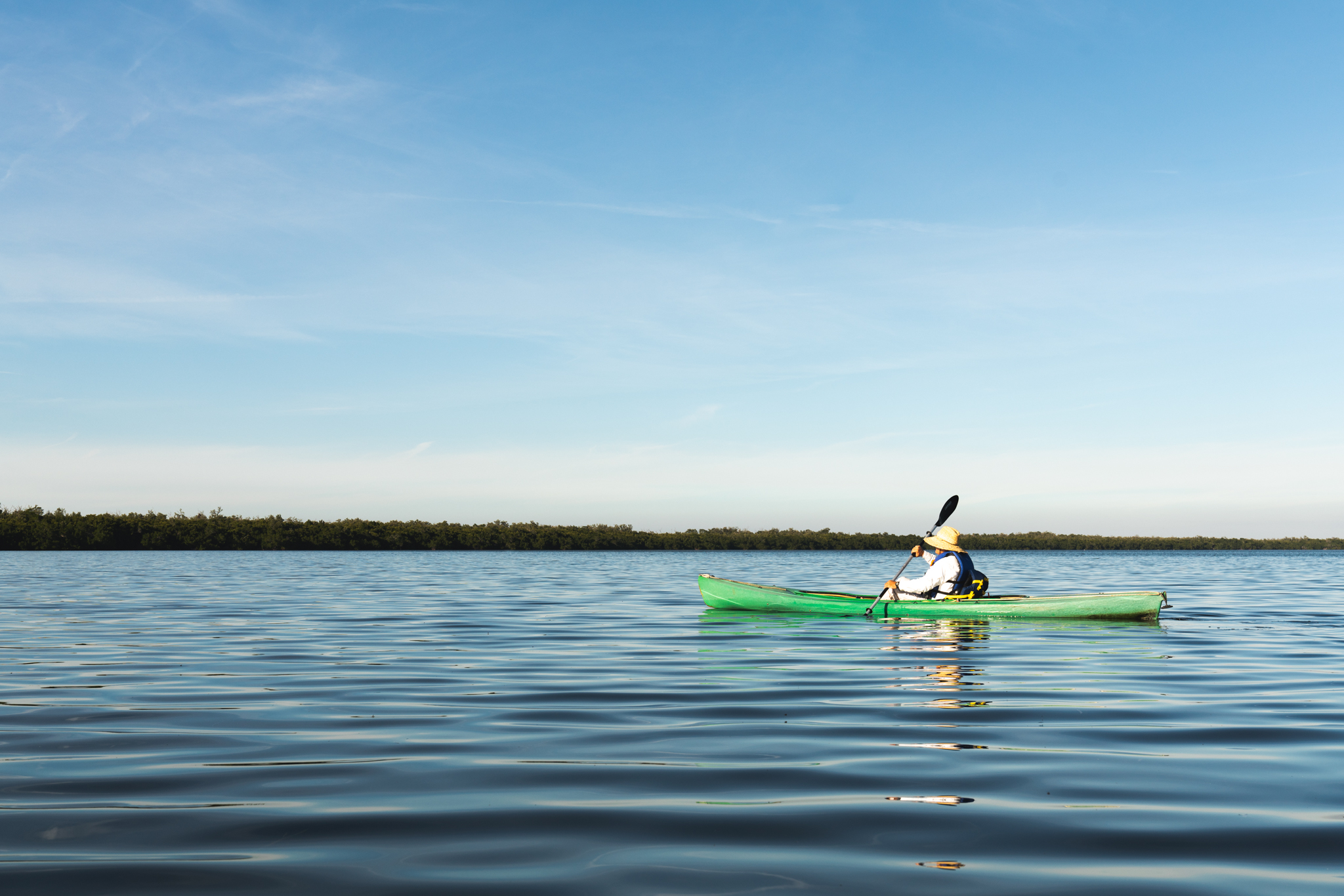
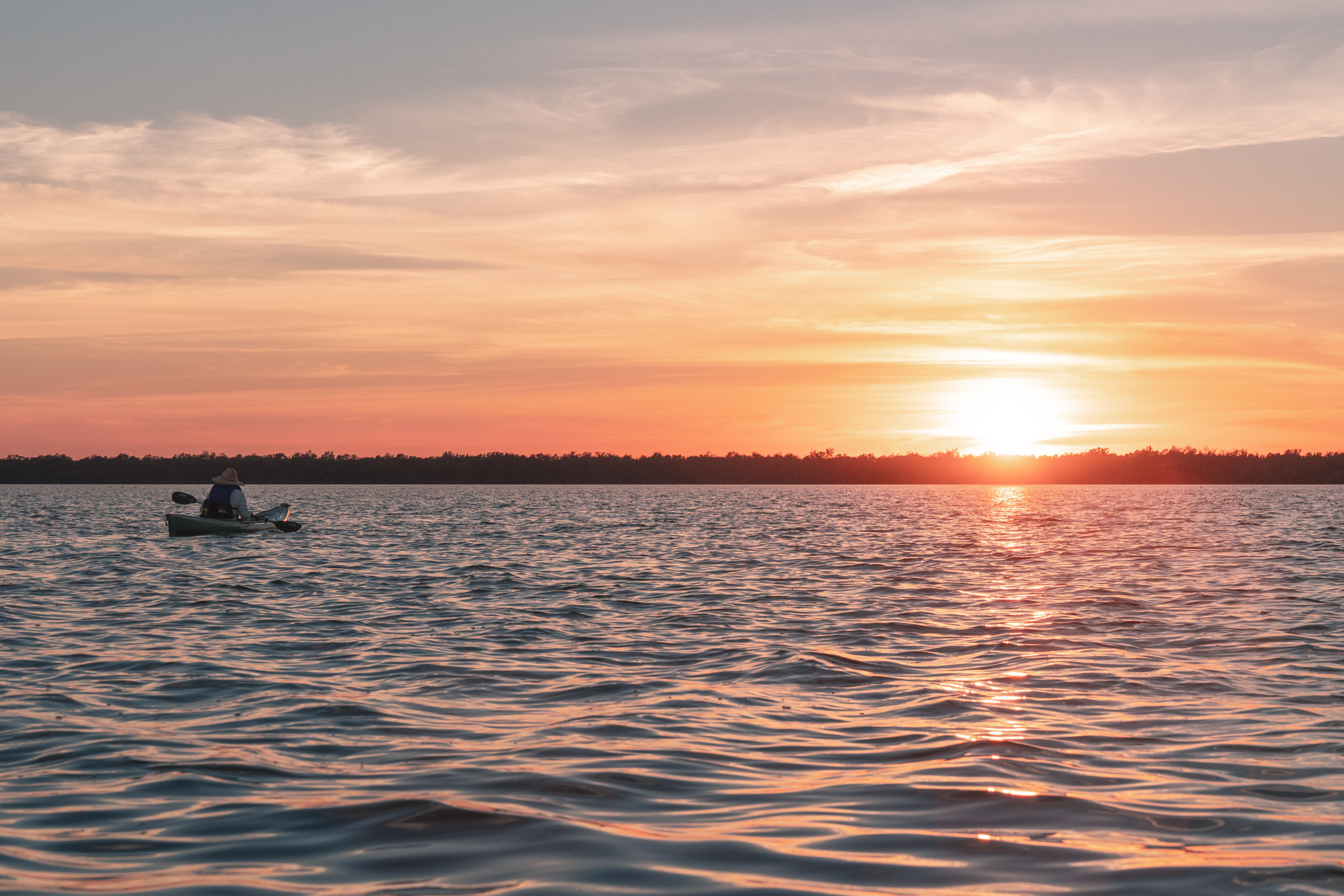
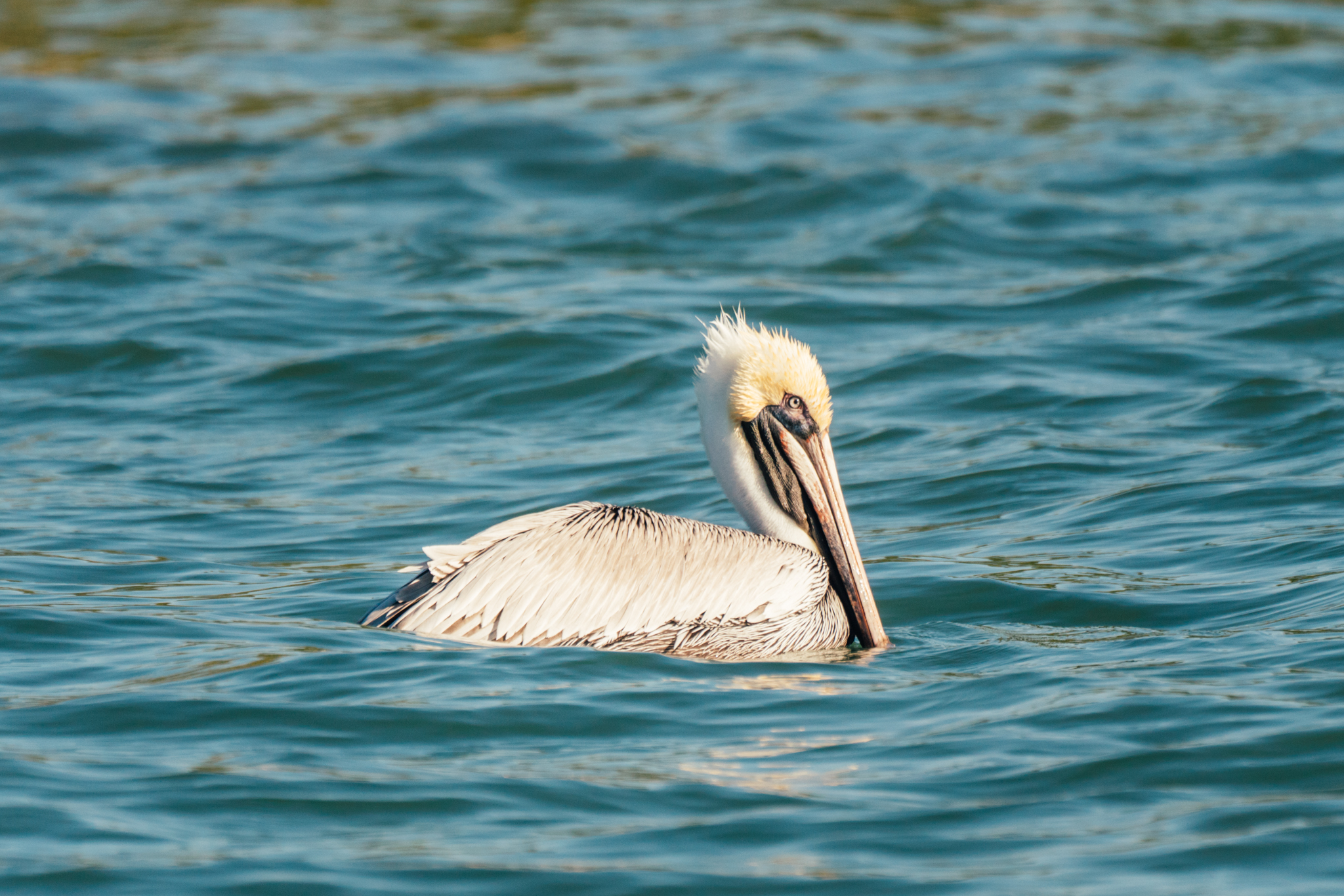
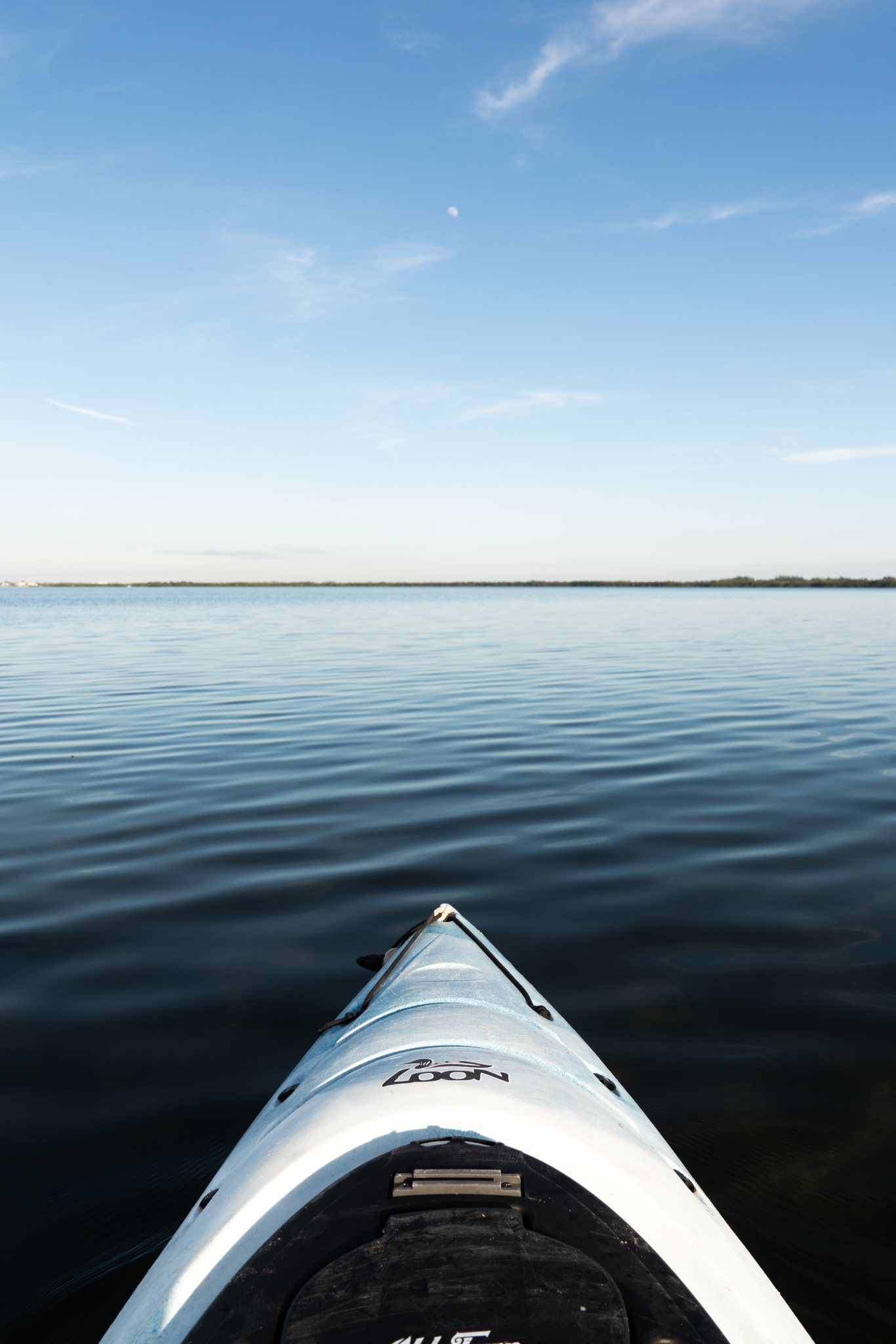
My last scheduled activity was a sunset paddle in Tarpon Bay. I met my guide at Tarpon Bay Explorers in the afternoon and got on the water. Any wind that there was completely died down… the water was calm and clear, and I could see the bottom for most of the paddle. I could seriously not believe my luck. For the next few hours, I had a peaceful and dreamy paddle around this gorgeous estuary surrounded by mangroves and pelicans.

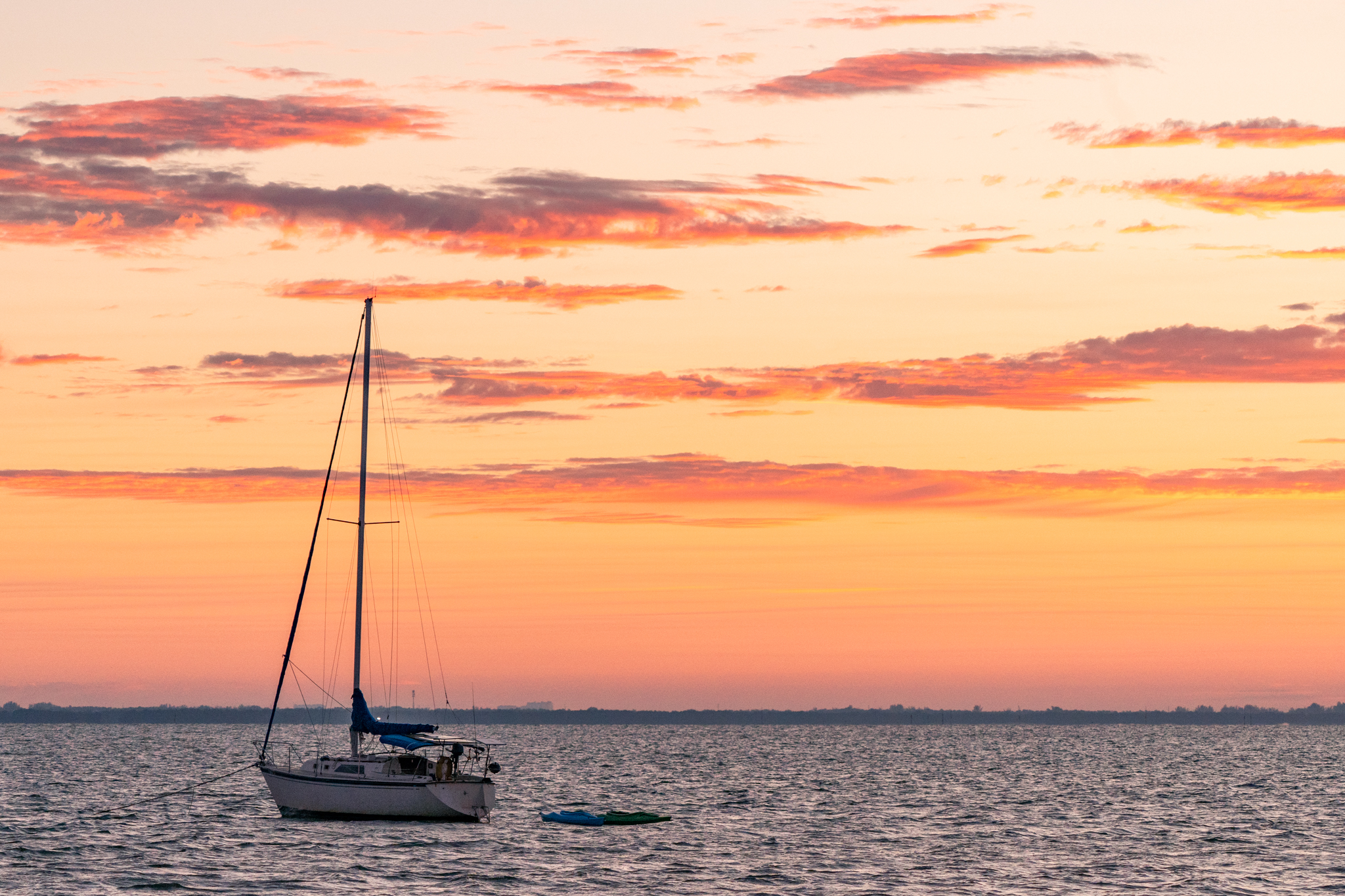
To top it all off, we were treated to a beautiful, calming, and colorful sunset. If Florida wanted to show off, it was doing a great job.

DAY 5

I had a slow morning packing up my cottage and made Bunche Beach Preserve my last stop on the way to the airport. Bunche is a preserve closer to Ft. Myers, and seems more accessible than the Sanibel beaches (which are all on the other side of a road toll). If I had more time, I definitely could have spent a few hours reading and enjoying the sun at Bunche Beach. There are lots of little pockets in the sea grape trees for privacy.


My overall impression? Such a lovely place, and hugely underrated by people like me! What do I mean by that? Well, this isn’t a spot we typically see on Instagram, and it might not a spot you first think of when you want to go on an outdoor adventure. This trip showed me that we should absolutely re-consider.

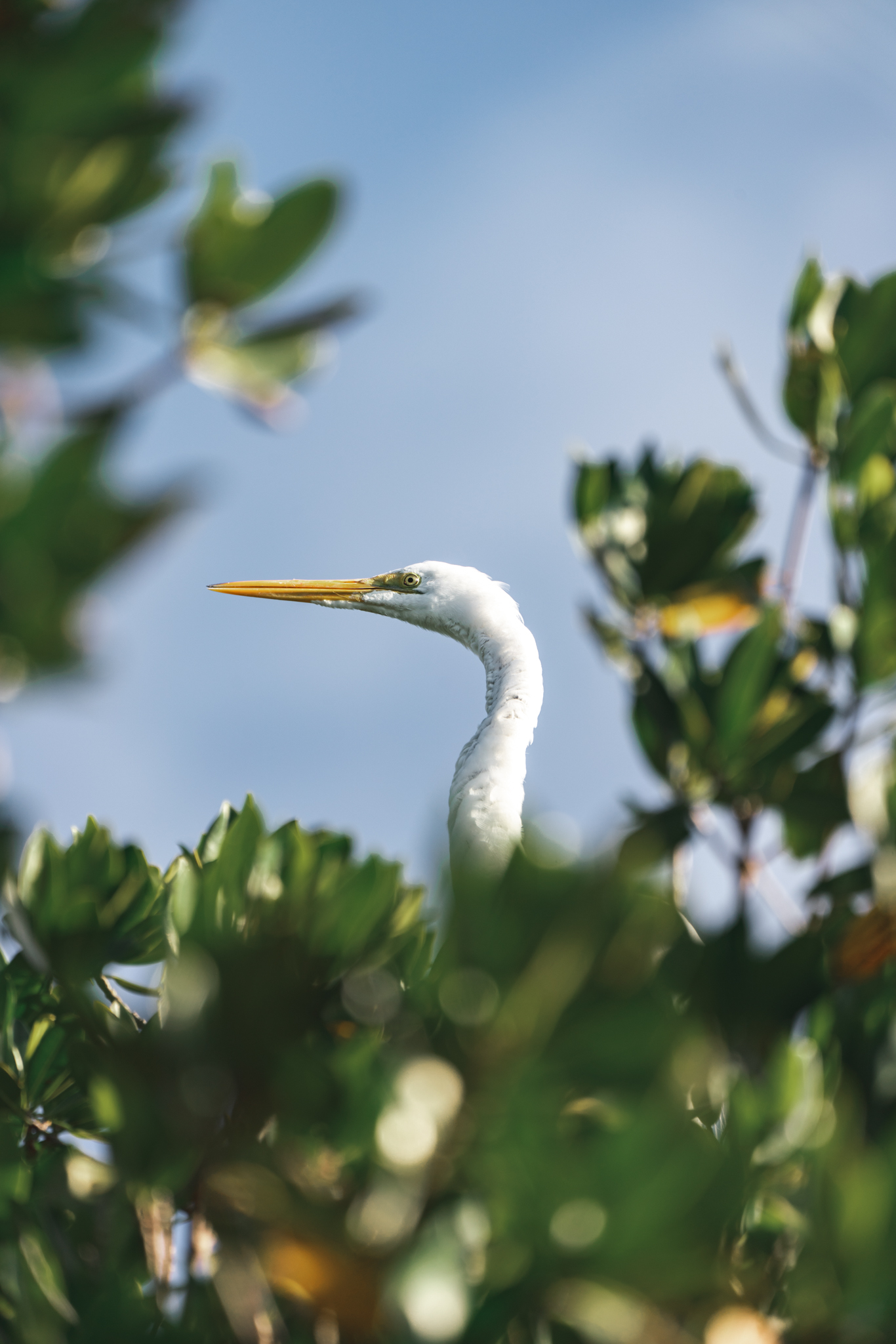
In general, there are some fantastic wildlife photography opportunities here. I would recommend that any photographer visiting Ft. Myers and Sanibel make good use of their time by prioritizing sunrise and sunset in order to get the best light. The soft colors at dawn and dusk made for some beautiful images.

Somewhere, there’s a Floridian cursing me for exposing a well-kept secret. I’m here to tell you that Southwest Florida is not just for spring break or your parents. There is more to it than you think.


GALLERY

Click images to view in slideshow.

Anyone who knows me knows that I am a huge fan of credit cards, especially when using them means racking up points to use on flights, hotels and more. But over the past decade of my own credit card use and frequent travel, I have come across a theme: people are scared of credit cards!

I have lost track of the number of conversations I’ve had with fellow travelers (including close friends) who want to get in on the miles/points game, but are totally confused about how credit cards can help them. I’ve talked with friends who reluctantly admitted that they don’t have a credit card to begin with… because they’re intimidated. I get it! I can hear my old internal dialogue now: What if I mess up and miss a payment? Won’t applying for a new card hurt my credit score? What even is my credit score? I’m too embarrassed to confront it. What if I spend money I don’t have? What if I overdraw? What if I don’t understand how to set things up? Ugh… it’s not even worth trying to understand…

But once I started learning about the benefits that come with using credit cards, I became a huge advocate for using them (responsibly, of course).

As a result of my credit cards, I have stayed in 5 star hotels in Europe and booked spontaneous flights using my points, plus I pretty much always have lounge access in airports, and I don’t have to worry about purchasing that extra car rental insurance. And those are just some of the benefits. Pull up a chair–– if you are not currently taking advantage of credit card benefits, it’s time.

FIRST THINGS FIRST: WHAT’S A CREDIT CARD?

Think of a credit card as a short-term loan. When you make a purchase with a debit card, money comes out of your bank account directly. By contrast, with a credit card, money comes out of your credit card institution’s account. You then need to pay that amount to them at the end of the billing cycle, which is typically 30 days. If you pay the entire balance on time, you will not pay any interest.

I hear that the main reason people don’t want a credit card is that they feel they can’t trust themselves to not overspend. In my opinion, you need to make a deal with yourself that you will be responsible and aware of how much money you are spending, and that you will not spend money you don’t have. Decide that you are going to pay your full balance on time every month.

WHY SHOULD YOU HAVE A CREDIT CARD?

  • You need to start building your credit. When you eventually want to buy something that requires a loan (maybe a house or a car), your credit score (FICO score) matters, and will give you a more favorable rate if your score is good. Your FICO score is determined by a combination of things including the length of your credit history, your payment history, and the amount you currently owe. The best time to start building your score is NOW!
  • Points, airline miles and cash-back rewards come in super handy for frequent travelers. Many cards have excellent introductory bonuses that give you a solid amount of points right away (provided you meet the requirements).
  • Many cards offer great insurance for things like rental cars, travel cancellations, delays, and other emergencies that might occur on a trip.
  • Perks don’t end at points and miles, but can extend to things like lounge access and reimbursed Global Entry fees.
  • Improved security compared to a debit card. Credit card companies monitor your accounts closely for fraud, and inauthentic charges can be disputed easily. By contrast, if your bank account or debit card gets hacked and money is stolen, it is much more difficult to recover the stolen funds.
  • Emergencies. It’s just smart to carry a credit card for an emergency. There are bound to be situations that are out of your control, and knowing you have a credit card to use can help.
  • If you are spending the money anyway, you might as well use a credit card and get all these benefits. You’re leaving money on the table by not using one!

WHAT CREDIT CARD IS RIGHT FOR YOU?

Note: This list doesn’t contain a comprehensive list of credit cards or their offers, but is a selection of handpicked cards that stand out to me as smart choices for travelers and people looking to maximize credit card perks.

BEST FOR PAYING DOWN DEBT

This is for folks who currently have credit card debt. If you are currently in credit card debt and have average or better credit and have not applied for a new credit card in the past three months, you should consider transferring your balance to a card that is offering an intro 0% APR period on balance transfers. THIS CAN SAVE YOU A TON OF MONEY! Check to see if you are eligible for a balance transfer on one of these cards. Then, divvy up the amount of debt you have over the 0% APR period into installments that you will pay automatically. I don’t recommend using this card for any other purpose than paying down your debt, unless you can be 100% sure to pay off whatever you are spending in that month on time and in full. None of these cards have an annual fee.

  • Bank Americard
    This card is offering a 0% intro APR for 18 months, and a 0% fee on balance transfers made in the first 60 days. After the intro offer, there isn’t a whole lot else happening with this card, but in my opinion, this is the best credit card currently available for paying down debt.

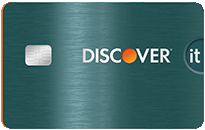
  • Discover it Balance Transfer
    This card is offering a 0% APR on balance transfers for 18 months. There is a 3% fee to transfer your balance, so be sure this is less than what you’re currently paying in interest. There are other rewards if you’d like to continue having a reason to use this card once you’ve paid off your debt–– 5% cash back on rotating categories and 1% cash back on everything else. There is also no foreign transaction fee, good if you travel.

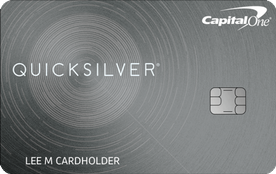
  • Capital One Quicksilver Cash Rewards Credit Card
    This card offers a 0% APR on balance transfers for 15 months, but charges a 3% balance transfer fee, so again, make sure this amounts to less than what you’re currently paying in interest. There’s a one-time cash bonus if you’d like to also use this card beyond paying down debt–– spend $500 in the first 3 months of opening and get $150 back. This card doesn’t do rotating cash back offers. Instead, you get 1.5% cash back on every purchase you make. No foreign transaction fee either.

BEST FOR NO ANNUAL FEE

  • Capital One Quicksilver Cash Rewards Credit Card
    It appears again! I’m including this one in this category too because it’s just a good all around card, especially if you’re still getting familiar with using credit cards, since the rewards are easy to understand.
    Intro offer: Spend $500 in the first 3 months of opening and get $150 back
    Best features: No foreign transaction fee, 1.5% cash back on every purchase.

  • Capital One VentureOne Rewards Credit Card
    This is the card I recommend to my friends as their first credit card. The rewards are super easy to understand.
    Intro offer: 20,000 miles when you spend $1,000 in the first 3 months
    Best features: No foreign transaction fee, 1.25 miles per dollar on every purchase, miles don’t expire, use miles on a variety of travel partners, and get 10x miles on Hotels.com purchases (!!!)

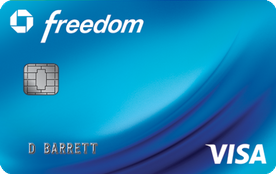
  • Chase Freedom
    This is a great free card that has rotating categories that earn you 5% cash back/5 points per dollar on up to $1,500 per category. Some of the purchase categories include gas stations, grocery stores, and internet/phone bills. Note that this card does charge a 3% foreign transaction fee, so don’t use it abroad.
    Intro offer: 15,000 points when you spend $500 in the first three months (that said, the intro offer isn’t the best feature on this card)
    Best features: Rotating bonus categories for 5% cash back.

BEST FOR FREQUENT TRAVELERS

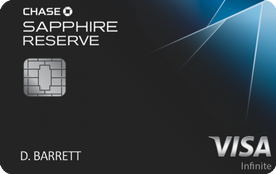
  • Chase Sapphire Reserve
    This is my top pick and my favorite card for personal use. Although the $450 annual fee may sound steep, you get a $300 travel credit, so I think of it more like $150/year. My favorite perks on this card are the 3x points on travel and dining and Priority Pass membership–– how I get lounge access (a value of $429 annually). I would venture to guess that this card is in the wallets of many savvy travelers you follow online, and for good reason.
    Intro offer: 50,000 points after you spend $4,000 within the first 3 months of account opening
    Best features: $300 travel credit and 3x points on travel purchases afterward, 3x points on dining, Priority Pass membership, get 50% more value from your points when redeemed through Chase Ultimate Rewards, application fee credit for Global Entry or TSA Pre✓, no foreign transaction fee.
    Annual fee: $450

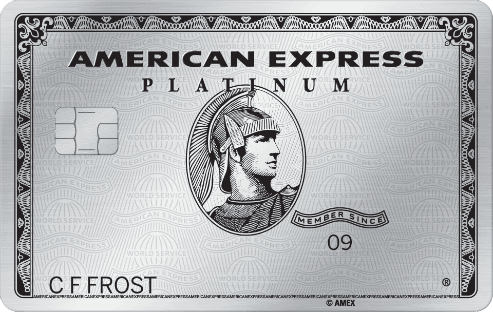
  • The Platinum Card from American Express
    A worthwhile competitor to the Chase Sapphire Reserve, the AMEX Platinum card has some excellent benefits for frequent travelers. The card offers an intro bonus of 60,000 bonus points after you spend $5,000 within the first three months. Though it has a high annual fee of $550, its $200 airline credit and $200 Uber credit make the fee more reasonable. 
    Intro offer: 
    60,000 points when you spend $5,000 within the first 3 months
    Best Features: $200 airline credit, $200 Uber credit, superior purchase protection, Priority Pass and access to Delta Sky Clubs and AMEX Centurion Lounges, credit for Global Entry and TSA Pre✓ fees every 4 years, no foreign transaction fee, points transfer to 21 hotel and airline partners, complimentary Gold & Gold Elite status in the Hilton and Marriott programs.
    Annual fee: $550

BEST FOR A GOOD ALL-AROUND CARD

  • Chase Sapphire Preferred
    If you like the sound of the Chase Sapphire Reserve, but are nervous about the big annual fee, this is a good pick for you. You get 2x points on travel and dining, and your points are worth 25% more when you redeem them with Chase Ultimate Rewards. There are also ton of options when it comes to redeeming your points. If you are wanting to travel on points a lot in the future, this is an excellent choice for your first (or next) credit card. Here’s a great article by The Points Guy that breaks down the benefits of this card further.
    Intro offer: 50,000 points when you spend $4,000 within the first 3 months
    Best Features: 2x points on travel and dining, points worth 25% when redeemed through Chase Ultimate Rewards, no foreign transaction fee, good insurance coverage.
    Annual fee: $95, waived the first year

  • Capital One Venture Rewards Credit Card
    This is another good card for starting your points strategy. Not to be confused with the VentureOne card, the Capital One Venture card is a solid card with simple rewards. The 50,000 mile intro bonus is a good offer, and you will earn 2 miles per dollar on every purchase after that. Like the VentureOne, you can use their “purchase eraser” to simply “erase” any travel-related purchase using your points.
    Intro offer: 50,000 miles after you spend $3,000 in the first 3 months
    Best features: No foreign transaction fees, 2 miles per dollar on every purchase, 10x miles on Hotels.com, miles are easy to redeem, ability to transfer miles to 14 airline partners, Global Entry or TSA Pre✓ rebate.
    Annual fee: $95, waived the first year

BEST FOR SMALL BUSINESSES

  • Chase Ink Business Preferred Credit Card
    This card currently has a great intro bonus, plus 3x points on broad categories like travel, dining, internet/phone, and advertising on social media sites, up to $150,000. This card also offers some great purchase protection including primary car rental insurance, travel accident insurance (up to $500,000), baggage insurance and trip delay/cancellation insurance. If you have another Chase credit card, you can pool your Ultimate Rewards points to enhance their value–– a feature I love that keeps me loyal to Chase. To me, this is the best first business credit card you can get right now (unless you can spend $50,000 the first year, then check out the Capital One Spark Miles for Business).
    Intro offer: 80,000 points when you spend $5,000 in the first three months.
    Best features: 3x points on travel, dining, internet, phone, cable, and advertising on social media sites, great insurance for car rentals and travel, points worth 25% more when redeemed through Chase Ultimate Rewards
    Annual fee: $95

There are lots of other great small business credit cards out there, but this topic deserves more options than I’ll be providing here. Once again, The Points Guy delivers–– see their post here ranking the best business credit cards of 2019. If you are a freelancer, getting incorporated and separating your finances can help you feel much more organized about your expenses. I would recommend making a list of your biggest business expenses, and picking a credit card that has rewards related to those categories.

BEST AIRLINE & SERVICE SPECIFIC

If you fly one particular airline a lot, it might benefit you to get a credit card that is specific to them. Look up the options for the airline you fly. If you know that you would like to start a long-term relationship with an airline (oOOoOoh getting serious!), it might be beneficial for you to have their credit card. Note that Uber also has its own credit card now if you are a frequent Uber user. I wrote a post about it a while back–– you can see it here.

DO’S & DONT’S

  • DO select credit cards that are a good fit for you, and have a good understanding of the benefits and fees (if applicable).
  • DO pay your balance on time every month. I recommend setting up AutoPay immediately so that you don’t have to remember when it’s time to pay your bill.
  • DO pay attention to special bonus categories and offers so you can take advantage of them!
  • DO use your points, you earned them! Don’t be a hoarder. 😛
  • DO keep an eye out for good intro bonuses on cards you don’t have yet.
  • DO make yourself aware of Chase’s 5/24 rule for future reference, especially if you are applying for a Chase card.
  • DON’T spend money you don’t have. C’mon. You are better than that!
  • DON’T apply for lots of cards in a short time window, or it can affect your credit score. The general rule of thumb is to wait three months in between applications.
  • DON’T pay interest fees. See my tips above on getting a card with a 0% APR intro period and transferring your balance to that.

HOW TO GET STARTED

It’s pretty easy to apply for a credit card, and if your score is above 600, you can sometimes be approved immediately.

  1. Get your annual credit report for free here. Your official credit score (FICO score), and/or other estimates, can be accessed for free from certain credit card issuers as part of your card benefits. There are other sites that offer estimates, but they are not official. Here’s the breakdown of your score:
    • Payment history (35%)
    • Credit utilization (30%)
    • Length of credit history (15%)
    • Types of accounts in use (10%)
    • New credit (10%)
  2. Do your research to land on the card that is right for you. Set aside some time to shop around, but don’t overthink it.
  3. APPLY
  4. As soon as your card arrives, set up AutoPay. Don’t miss a payment or leave it to your memory–– you WILL forget (speaking from experience)!
  5. Make sure you meet the minimum spending amount to get your intro bonus.
  6. Maximize your purchases by staying up to date with specific reward categories.

IN SUMMARY…

Credit cards should be an essential part of every traveler’s wallet. Ideally, your credit cards will work for you by providing you with excellent purchase protection, insurance against lost baggage and delays, perks like airport lounges, and points that you can redeem for future travel and accommodation. Though this list contains some of what I consider to be the best offers currently available, it’s not representative of everything that is out there, so you should do your own research too and make sure you’re getting the cards that are right for you. For more detailed and long-term credit card advice, I can’t recommend a better resource than The Points Guy, which I promise I will now shut up about (for now). If you are in the market for a high-end credit card, there’s a good list here. 🙂

Given what you now know about credit cards, how do you feel about them? Are you excited? Even more confused? Let me know in the comments!


FYI, this blog contains affiliate links. That means that if you click through and make a purchase, I might earn a small commission at no cost to you. On this blog post, some of the above links are referral links, meaning that if you apply for a card and get approved, I might get points. Everything I share on my blog is intentional, and that goes for anything I recommend to you guys as well. Thank you for using my links–– it helps support this blog!

Last year, I spent New Year’s Eve doing a bunch of different and random things.

I was still new to Los Angeles and didn’t have a group of friends to hang out with, so I did things that I thought might help me feel some kind of closure on 2017. I watched the sunset on the beach. I went to church. I went to a house party of an acquaintance, thinking maybe it’d turn into a friendship. I was trying a lot of things and hoping something worked. This year was a lot of the same–– trying a lot of things and seeing what worked. Narrowing my vision. Getting clear and getting rid of what no longer served.

This year I booked some of my most exciting projects to date. At the same time, this year was one of the most difficult years of my life. My calendar was full, but my tank was empty. I burned myself out, and discovered that balance was a lesson I desperately needed to learn. I was spinning so many plates that my health suffered. I’m grateful for the opportunity to be straightforward and transparent with you here about the highs and the lows.

Here are the truest things I learned this year.

1. A GOAL WITHOUT A PLAN IS JUST A DREAM

Ok, maybe not “just” a dream (ummm hello, I LOVE DREAMS), but if you set a big goal but don’t have any plans or habits to support it, it’s unlikely that you will accomplish the goal. You can’t just hope for the best, you have to plan for it! This year, I had a lot of goals, and I accomplished some big ones. But others were left hanging because there was no actual plan to achieve them. Moving forward, I am setting deadlines for myself and breaking my goals down into small steps that make them more achievable.

2. YOUR CAPACITY IS LIMITED

Your energy has limits, and your creativity relies on your energy, so guard it carefully! I was truly blessed to have many opportunities come my way this year, and at the same time, I did not say “no” enough. I tried to do it all, and by the end of the year, I was fried. I didn’t have the energy to hold space for anyone else… something that is normally a joy for me to do. I also didn’t have capacity to engage in the community issues that I had previously prioritized. I ended up taking the last few weeks of 2018 off from client work to take care of myself and my health.

3. MAKE YOUR HEALTH YOUR PRIORITY

It’s hard for me to write about this, but I think it is SO important to talk about mental health. I have dealt with depression and anxiety my whole life, but this year was by far the most challenging time I have had with both. There were days when I simply could not see how I would bounce back. When I was really struggling, I wasn’t eating well, I wasn’t exercising, I wasn’t going outside, I wasn’t seeing friends, I wasn’t doing anything except isolating myself and sinking deeper into a hole of self doubt. I know now that I need to prioritize therapy, exercise, nutritious foods, social life, and my faith. I know that my issues aren’t just going to disappear altogether, so I need to figure out how to live with them and not allow them to knock me off my center. I learned that I need to do the work to set myself up for success, even if I’m not feeling great in the moment.

4. HABIT IS THE ENEMY OF ANXIETY

Routine and habit had a big part in pulling me out of dark times this year. I started getting up at the same time every day and going to yoga in the mornings. I started eating the same healthy foods every day. I started journaling daily. I developed practices to anchor me and I made them non-negotiable so I wouldn’t sink back into the comfort of depression. So many highly successful people talk about the importance of their morning routines, and it’s not a coincidence! Having a morning routine that you do every day really helps to frame your day (and your life) for success. Practicing healthy habits consistently helps me to create a foundation for a full and balanced life.

5. CHOOSE YOUR FRIENDS WISELY

This should practically be one of my catch phrases, but it’s true… look at the 5 people you spend the most time talking to or engaging with. You are probably a combination of them, down to what you’re interests are, what you believe, where you stand on issues and how much money you make. As my life becomes busier and time seems to be speeding up more and more, I am learning the importance of being selective with the people I spend my time with and my energy on. I don’t think you have to dramatically cut people out of your life just because they don’t have the healthiest habits–– we are all a work in progress. But just take inventory. Your circle should be reflective of the kind of person you want to be. Your friends should be cheering you on, pumping you up, and rooting for you even when they don’t get credit for doing so. And you should be doing the same for them.

6. FORGIVENESS IS A GIFT YOU GIVE TO YOURSELF

Holding grudges only hurts you, not the other person. Learning to forgive is one of the most important things we can learn to do. This year, I felt that I had been holding on to a few grudges that were clogging up my own freedom and preventing me from trusting people. There were painful situations I was still carrying that I needed to let go of. There are just things in life that aren’t worth hanging on to–– resentment, wanting to be “right,” feeling like you’re owed an apology… sometimes it’s better to forgive and let it go, with no big announcement. Quiet and humble forgiveness is a profound gift.

7. DO THE WORK YOU WANT TO GET HIRED FOR

I give this advice all the time to aspiring photographers and entrepreneurs (seriously, raise your hand if I have given you this advice!). This year, it rang especially true for me (!). A year ago, I made a list of dream clients, and this year I crossed several of those companies/brands off the list… because they approached me. When you do good work, consistently, for a long time… when you find your lane and run in it with everything you’ve got, people notice. Eventually, you will get an email that says, “Hey, we love what you’re doing, and we want to be a part of it.” From my Greece adventure retreats to my work partnerships, the people and companies I was attracting through my brand were well-aligned and shared many of my passions.

8. WORK IS JUST ONE PART OF WHAT YOU DO

If you love a good personality test as much as I do, you may know about the Enneagram. I’m a Type 3, “The Achiever,” and I relate so much to this type. I get so much satisfaction and validation from the work that I do and the way it’s perceived. I don’t love that this is my nature, but I can’t hide from it. Along with all the mental health challenges that came up this year, I was reminded that my career is just one part of what I do or who I am. There are so many other things I care about, and so many other ways I want to spend my time, and I have been learning to set firm boundaries between work and non-work activities. A few examples: This was the first year I actually allowed myself to watch Netflix… and not a documentary either. I went to events just for fun, not for the exclusive purpose of networking. In an act of defiance against my achiever-ism, I am prioritizing unstructured play and just enjoying the moment instead.

9. STAY IN YOUR ZONE OF GENIUS

There are a few things I know I am good at. And of course, there are some other things that I am completely dismal at. There isn’t a good reason for me to do the things I suck at when those things are no doubt someone else’s passion–– the things they were put on this Earth to do. Going into next year, I am filling my calendar with things that are in my zone, and saying no to things that could be done better by someone else. There’s no shame in things just not being a good fit. I believe that in order to use our gifts fully, we need to use them wisely too.

10. THERE IS ALWAYS MORE TO LEARN

The older I get, the more I learn that I know a b s o l u t e l y nothing :). Any time I got a tad overconfident this year, I got smacked in the face with something I didn’t know, or an assumption I was toootally wrong about. I know we were supposed to learn this in middle school, but truth be told, am still learning to never assume. I’m heading into the last year of my 20’s with my palms up. God, world, people, what do you have to teach me?

At times, this year felt like nonstop punches. It was really hard. It was also really, ridiculously beautiful. I slept in a traditional Chinese tolou and woke up in the mountains. I saw the Monarch butterfly migration in Mexico, spoke to creatives at some unique events, led 18 people across Greece to explore a new country and themselves. I re-visited Australia and Kenya, and learned first-hand about incredible cultures around the world. There were times I wanted to press pause just to have an extra moment to enjoy it.

All of the things that happened this year are turning me into the woman that I am. And I am proud of who I am becoming. It’s taken a lot for me to be able to say that. And everything that didn’t work out this year, last year or anytime before that, was in my best interest.

If this year was a tough one for you, I want you to know that you are not alone–– you are why I choose to share things so transparently. I really hope this post offers you some encouragement.

Looking forward to 2019, I am creating actionable and achievable goals for myself. They include writing more here, prioritizing my mental and physical health, and showing up for this community on other platforms (any guesses where? 🙂 ). I know that I will see positive change through consistent habits, healthy choices, and intentional decisions in my business and personal life.

Writing this and reflecting on 2018 has reminded me to never lose my curiosity or my passion for this world and the people in it. I hope you never lose yours either. Here’s to bright days.


If you are curious, here are my thoughts from the last few years: 2017, 2016, and 2015. Photos by Ari-An Watkins and Tiffiny Costello.

The holidays are coming up and it’s time to start thinking about any gifts you might be giving to loved ones this year for the holidays. I am always looking for thoughtful gifts–– things that won’t just be unwrapped and set aside, but products that will be loved throughout the year. Instead of just buying someone a gift because you feel you “should,” I encourage you to ask yourself what this person in your life would really benefit from, and how you can show them how much you appreciate them.

The items in this year’s guide range in price and category. I also won’t judge you if you just want to shop for yourself. 😉


PHOTOGRAPHY & TECH


CreativeLive • any amount // This one is NOT JUST FOR PHOTOGRAPHERS, but any creative. CreativeLive is a platform that allows you to take classes from experts in fields ranging from photography to entrepreneurship to financial literacy. It has classes for aspiring travelers, hand-lettering artists, foodies, designers and all sorts of other makers. If you have someone on your list who has expressed interest in wanting to learn more about some kind of creative path, check out CreativeLive’s offerings. They have a gifting option, which makes it easy for you! You can find my personal picks here, and CreativeLive’s own curated gift guide here.

Adobe Creative Cloud Photography Plan • $239.88 for one year // Photoshop and Lightroom are crucial to most photographers’ editing process, including mine. If you’ve got someone in your life who is wanting more tools for editing their photography, a year-long subscription could be a great gift for them. Be sure to (subtly?) look into if they already have this or not! I linked to the Mac version, so make sure you get the right version for their operating system.

Sony Cyber-shot RX100 VA • $898 // One of the BEST point-and-shoot cameras available right now. This camera is insanely powerful for its small size, and would be great for someone needing a camera that is more lightweight for outdoor pursuits, or discreet for travel photography. (B&H or Amazon)

Sony a7 III Alpha Mirrorless Digital Camera • $1,998 // This camera is my recommendation if someone on your list is wanting a solid full frame camera body. I seriously cannot recommend a better camera for the price–– for all of these features, it is a deal at $2,000. That said, hopefully the recipient of this epic gift is on your Nice list! 😉 If you are looking for an incredible lens to pair this with, my top pick is definitely the Sony 24-70mm f2.8 GM. (B&H or Amazon).

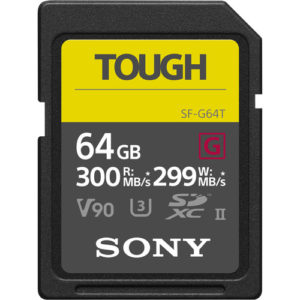
Sony TOUGH Memory Cards • $74.99+ // Sony came out with waterproof, dust-proof memory cards this year. For all the dusty, water-involved situations I am in, these are excellent. If you know a photographer or videographer who is as clumsy adventurous as me, this is a good bet. (B&H or Amazon)

TRAVEL & OUTDOOR

Sony WH-1000XM3 Wireless Noise-Canceling Headphones • $349.99 // Ok, these might belong in the tech category, but I grouped them with the travel stuff because I literally do not travel without these anymore! They are amazing. Of course, having any noise-cancelling headphones on a flight is an instant upgrade from standard earphones, but these are the best of the best. The battery life is solid enough for a long haul flight and then some. Hold your hand over the right ear to hear announcements. (B&H or Amazon)

Kindle • $79.99+ // I have had my kindle since 2012 and use it exclusively for reading while traveling! I love to have physical books when I am at home, but for travel, you just can’t beat an e-reader. The ability to carry multiple books with you is such a big benefit, especially for longer trips. Amazon’s latest version is waterproof!

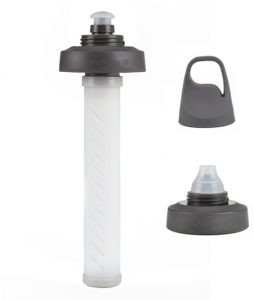
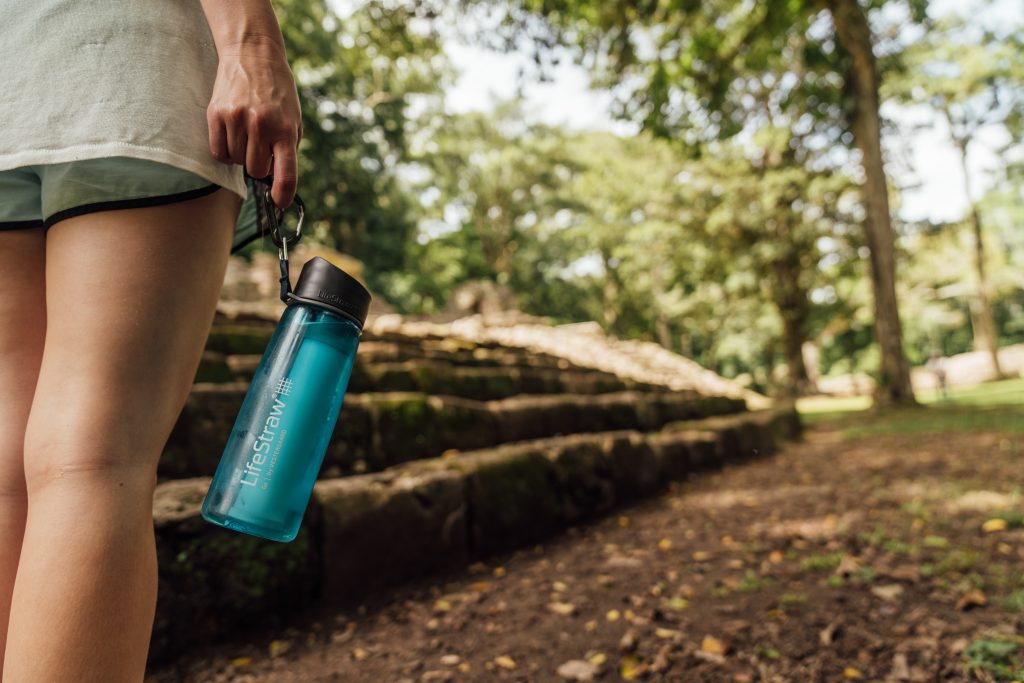
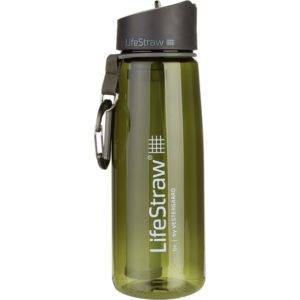
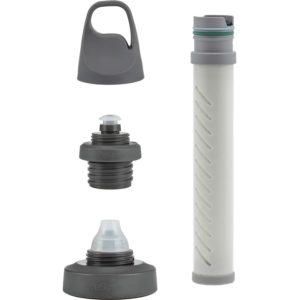
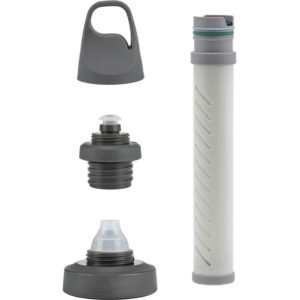
LifeStraw Universal Water Filter • $34.95 // This year I worked on a project with LifeStraw in Mexico and got familiar with their products. If you are shopping for someone who has an international and/or outdoorsy trip coming up that may have questionable water sources, pick up one of these. They can use it with any water bottle they already own.

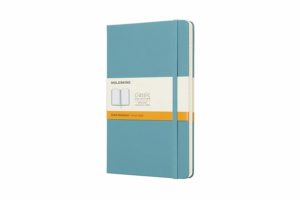
Moleskine Classic Notebooks • $12 // Moleskine notebooks are my favorite! I’m a big-time journaler, and these are my go-to because of their size. They are simple, classic and easy to travel with. Give alone or include in a travel themed bundle.

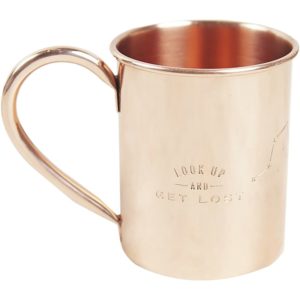
United by Blue Look Up Copper Mug • $27.95 // I snagged this at a trade show last year and get questions about it all the time! It’s a favorite for road trips and just drinking tea at home. A warning – it’s not insulated, so the copper gets hot.

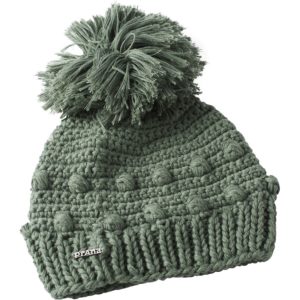
Prana Pammie Beanie • $39.95 // It’s always nice to have a cozy beanie for winter.

HOME & SELF-CARE

Headspace • $12.99/month // This is the app I use for daily meditation–– a crucial part of my routine. Headspace takes you from the basics into different topics like Productivity, Creativity or Anxiety, helping you get specific with your meditation. You can purchase a month (or more) for someone as a gift from their website.

Starbucks Gift Card // Really, Erin? Yes, really! Frequent travelers know that Starbucks is pretty ubiquitous in airports and cities around the world, and having a gift card handy can make a travel day a little bit less hectic.

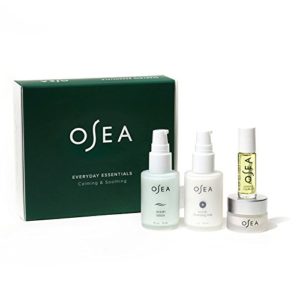
OSEA Everyday Essentials Set • $48 // I love a good skincare set. I received a set from OSEA as a gift myself, and loved the product so much I’m recommending it here.

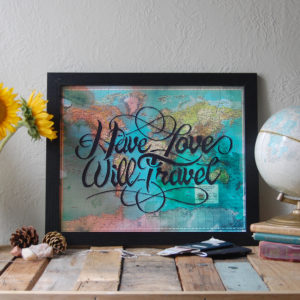
Adam Vicarel prints • $20 // Adam is a talented artist and also designed my logo. Check out his art for travel and outdoor inspired prints & products for the travel and outdoor lovers in your life.

Erin Outdoors prints // Ahem, hello, it is me. I just stocked my print shop with all of my favorite images from 2018, and you can take 30% off all prints with the code “MERRY” until 12/31! Want it framed? You can add matting and a frame as an add-on, or take your print to a framing shop once it arrives. Images are printed and shipped by BayPhoto. If you’d like help with image selection or have questions on the finishes or add-ons I have available, please shoot an email over to info@erinoutdoors.com.

Books // Always good. I have a selection of my favorite books linked here.

STOCKING STUFFERS

ZEISS Lens Wipes • $5.69 for a pack of 60 // These come in handy for anyone who travels with a camera.

Single-use face masks // I love to travel with a few of these. It makes a huge difference after a long flight! You can get various types at Sephora or any drugstore.

Four Sigmatic Mushroom Elixirs • $18.99 for a sampler pack // Since quitting coffee four months ago, I have a new mushroom elixir habit, and these come with me on every trip. It is helpful that they come in individual packets for travel, though I am aware that they’re not ideal from a waste perspective.

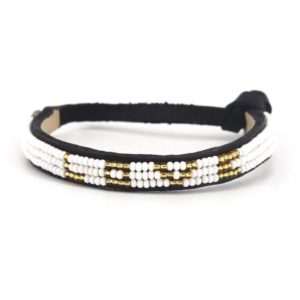
Ubuntu Live Love bracelet • $24 // I have been working with Ubuntu Life for a couple of years now to share their story through photography. They work with a group of talented Maasai beaders who make these bracelets. My favorite color is the white & gold combo.

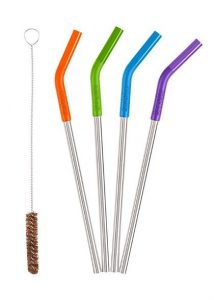
Re-usable straws • $9.95 // Such a great gift that will keep single-use straws out of landfills and oceans.

Massage ball • $14.95 // Anyone who lives an active lifestyle can benefit from one of these!

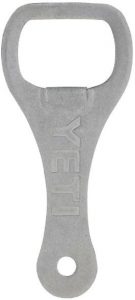
Keychain bottle opener // It is so convenient to have one of these on your keys! Much easier than having to look for a lighter or another object to open a bottle with.

OTHER HELPFUL GIFT GUIDES & IDEAS


I want to sign off by reminding you to not buy stuff just for the sake of buying stuff. I hope you enjoy this season, and that you have fun picking out thoughtful gifts for your friends and family.

Note: This post contains affiliate links, which means I may get a small commission if you choose to buy something. These links help me keep this blog full of meaningful content. I appreciate your support!

I recently got back from my first visit to Chiapas, Mexico.

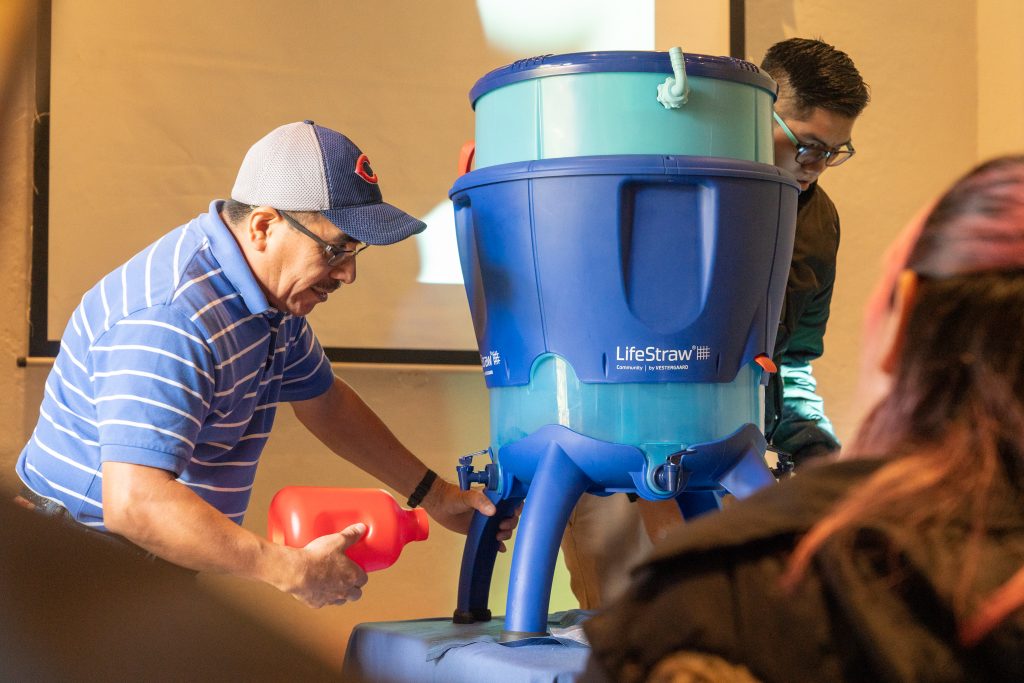
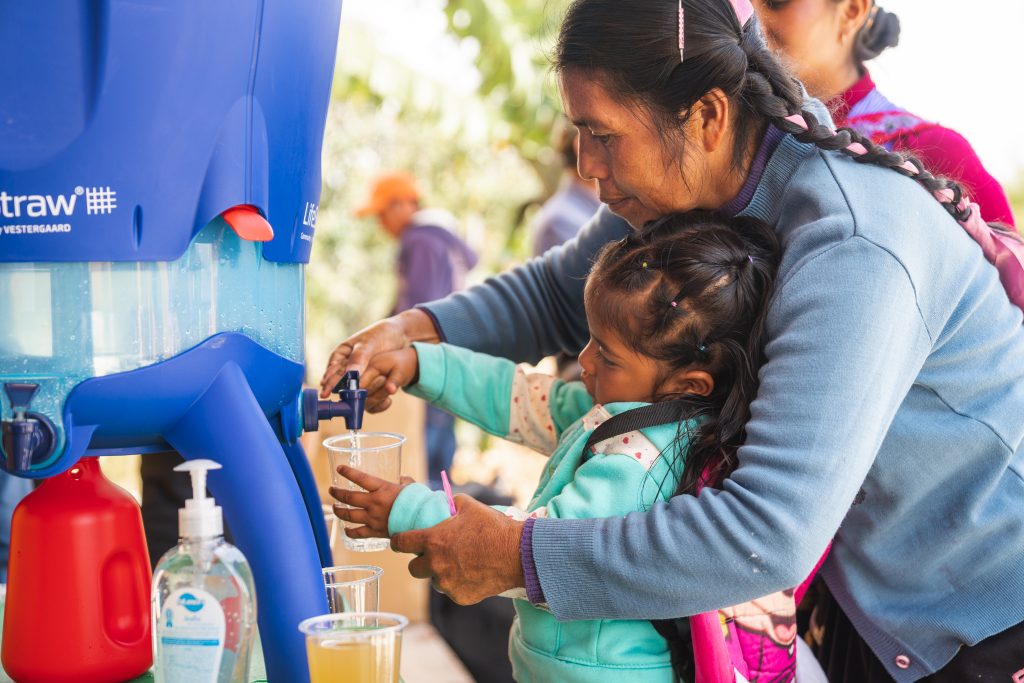
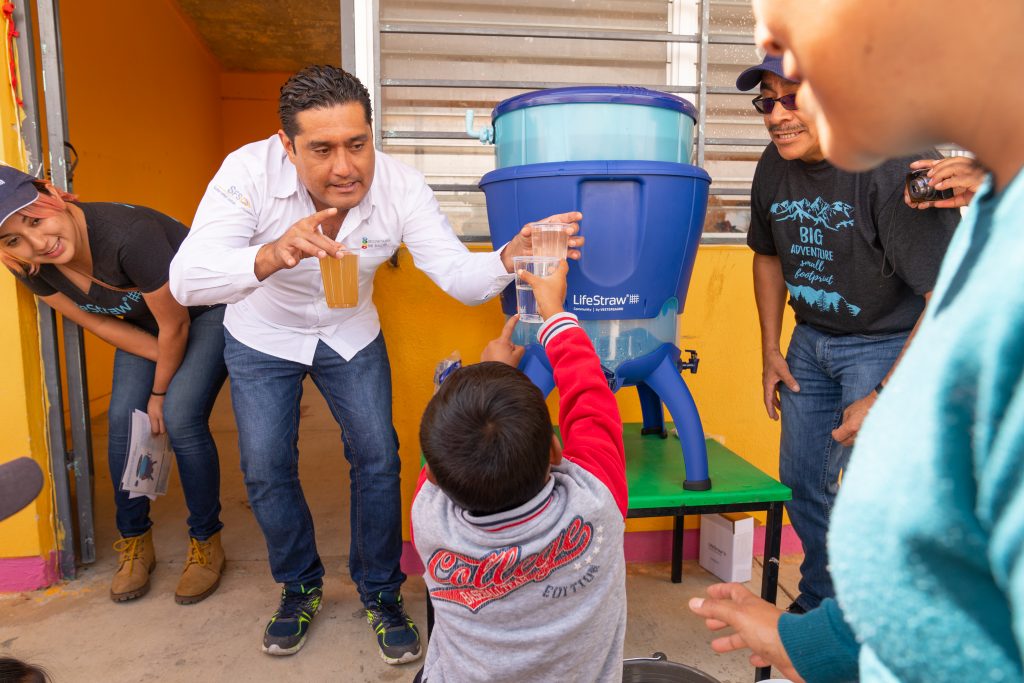
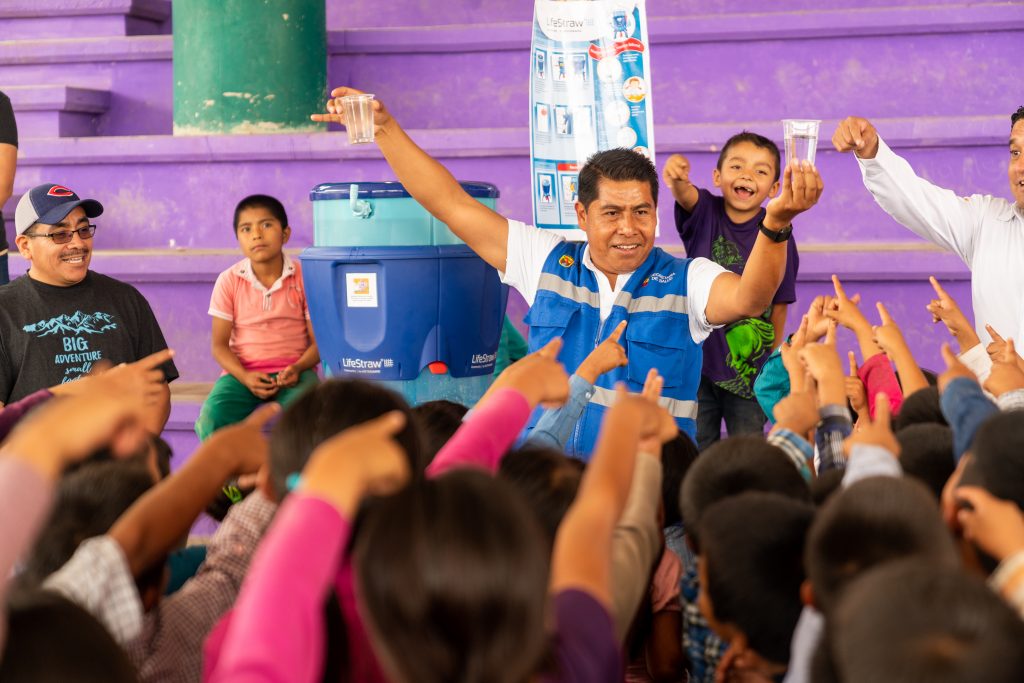
A few weeks ago, LifeStraw invited me on a trip to document and share their Give Back (aka Follow the Liters) program. They are newly working with rural schools in Mexico (specifically Chiapas to start) to provide students with safe, clean water throughout the year.

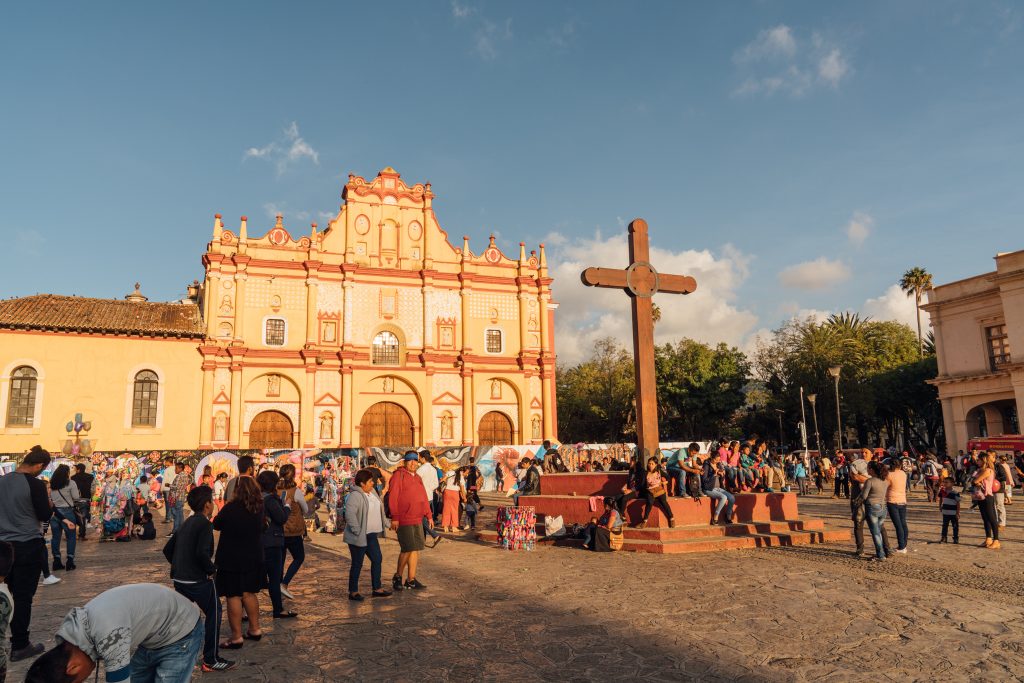
I flew into the charming city of San Cristóbal de las Casas to meet the group. I could have spent weeks in San Cristóbal alone, with its cobblestone streets, colorful painted houses, and gorgeous churches. The lanterns, lights and streamers strung above the streets, live music pouring out of the restaurants, and a perfect mountain town climate made San Cristóbal a pleasure to base ourselves in for the first few days.

FOLLOW THE LITERS… WHAT IS IT?

The goal for the first part of the trip was to distribute and implement water filters in rural schools throughout Chiapas. Globally, LifeStraw’s program operates by working with local governments and communities to implement the filters, train and educate teachers & students, and schedule follow-up visits to maintain the efficacy of the program. Since its inception, this program has provided over 1 million children with safe water in their schools. It’s funded by consumers, and you can learn more here.

We spent our first day in an orientation with LifeStraw, officials from the Mexican government, and representatives from the local distributor. Though the water is plentiful in Chiapas, the quality is poor, and the health department told us that only 35 of the 120 municipalities have a system to treat it. Throughout the day, we were given a brief history of the area, important cultural context, training on how to set up the filters, and tools for how to teach the students about safe water.

Note: I want to be clear about my role on this part of the trip. I was not there to “give back” personally, and I don’t deserve to be complimented on charity work, as I don’t believe this is what I was doing! I came in as a photographer and blogger to document and share this program and how it changes lives of kids and families in these communities. The way I see this, I had the opportunity to go see the work in person and share it with all of you, and I am grateful to be able to do this as part of my job. 🙂

Over the course of the following two days, my group visited six schools. The areas we were visiting were primarily Tzeltal and Tzotzil, two of the biggest Maya groups in the area. It is a huge and unfortunate misconception that Mayan people no longer exist. They do. They still speak their languages (each one unique), practice their traditions, and celebrate their cultures.

Our schedule went pretty similarly at each school. First, the filter was set up by Antonio from the local distributor. Next, Gerardo from the health department gave a training for teachers and parents on how to use and maintain the filter. Finally, the kids got to learn how to use the filter themselves, and try the water. Our local guide, Fíde, gave the talks in Tzeltal, the local language in most of these schools. We did visit a couple of Tzotzil schools, where Fíde had one of the teachers translate from Spanish.

Teachers, parents and kids all seemed excited about the filters–– “thank you for the water” is something I heard throughout the day from many people I interacted with. It was fun spending a few hours at these schools, playing games with the kids and talking with them.

After spending a few days implementing filters and losing at multiple games of duck duck goose, it was time to head out. We drove toward Palenque to see some significant ancient Maya sites, as well as some stunning waterfalls, which seemed to exist in every possible direction!

TRAVELING CHIAPAS

Chiapas is home to the Zapatista uprising, which declared war on the Mexican government starting in 1994, demanding greater democratization and indigenous autonomy. Today, it’s not uncommon to encounter roadblocks or protests here–– and we did. It seemed to me like these communities are not supported by the government in the ways they’d been promised. If you travel in Chiapas, I would recommend doing some research on this history. Try to center the experiences of the Maya people themselves instead of the government or other entities that benefit from tourism.

Because of the road block, we headed a different way that took us through Toniná, a lesser-visited but fascinating ancient Mayan ruin. We only had a short time here before we had to get back on the road, but I was so impressed at the massive pyramid and ruins that showed how people lived during this period.

The next Mayan site we visited was Palenque, a captivating group of structures and one of the most popular destinations in Chiapas. Once you enter the site, the jungle opens up to the Tomb of the Inscriptions. We learned about King Pakal, who reigned from 603-683 AD and was buried inside this pyramid. We walked through the palace, stopping to climb pyramids and take photos.

Definitely sweating, but with a good view.


The last ancient city we visited was Yaxchilán, located on the banks of the Usumacinta River, which runs on the border of Mexico and Guatemala. Yaxchilán feels like a hidden treasure in the jungle. Of course, it’s not exactly hidden as tourist boats come to visit every day (though significantly less than Palenque). Comparatively, this site has more tree coverage than the others. Dappled light pours across its courtyard, and howler monkeys roar from high above. If I had to pick a favorite site of the ones we visited, this would be it for its stunning setting.

We visited several waterfalls on the trip, each was spectacular in its own way.

Our final activity of the trip was rafting. We drove another few hours to Lacanjá in the Lacandon Jungle. Some background that I feel is important to share: Land ownership in this area is a bit complicated. The Lacandon Reserve was not always Lacandon land, something I didn’t research much until after I got home. In 1971, a reserve was established, displacing the Tzeltal and Ch’ol families that lived there. The government appointed a small group of Lacandon families as tenants, which left non-Lacandon communities displaced and dependent on the government.

We met our Lacandon guides in the late morning and took off down the river. I wasn’t expecting such a beautiful or adventurous paddle, but this one delivered in all the best ways. This jungle is vast, lush, and stunning, and the river was a wonderful place to be after a few long days walking around in the heat and humidity. After an hour or so, we pulled our boats to the side and hiked to a massive waterfall. The sun hit at just the right angle, illuminating the mist.

So much was packed into a week on this trip, and I am grateful for the opportunity to share all the parts of the experience!

Interested in supporting the LifeStraw Follow the Liters program? It is funded by consumers, so next time you need a water filter for backcountry pursuits or travel, consider buying a LifeStraw product in place of another brand.

Best LifeStraw products for adventure travel:


Left: The LifeStraw Go bottle. This bottle has a filter in it that takes out all the bad stuff–– 99.9999% of all bacteria, such as salmonella, cholera and E.coli, and 99.9% of all protozoa such as giardia and cryptosporidium. Shop at REIShop at Backcountry.

Right: The LifeStraw Universal Bottle Adapter. This is what I will use from now on when traveling. I wish I knew about it sooner! It’s a filter you can use with any standard Nalgene, Kleen Kanteen, or Hydro Flask water bottle. I personally prefer using stainless steel bottles, so this is perfect for me. Overall, having a filter like this is not only really convenient, it also means you are buying less single-use plastic water bottles. Shop at REIShop at Backcountry.


This post was published in partnership with LifeStraw, and contains affiliate links. If you click through and make a purchase, I may earn a small commission at no cost to you. As always, all thoughts and opinions are my own.
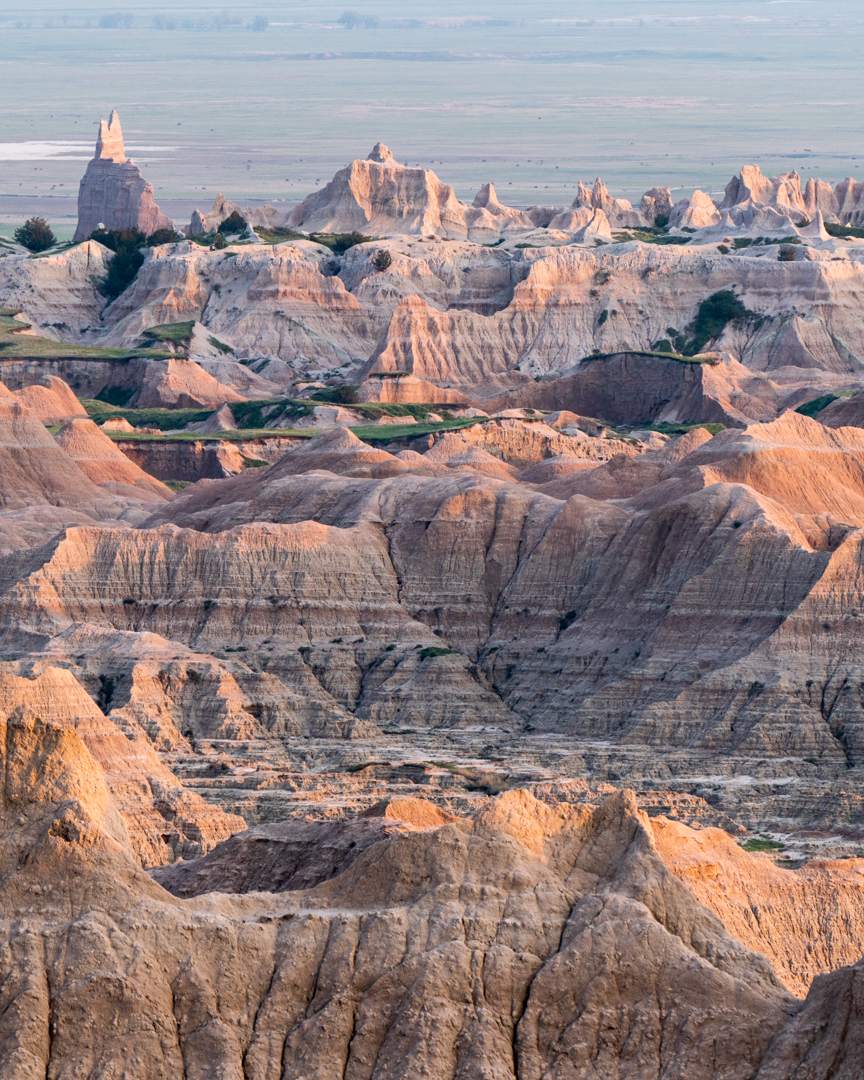
I always wanted a job that would allow me to go on adventures.
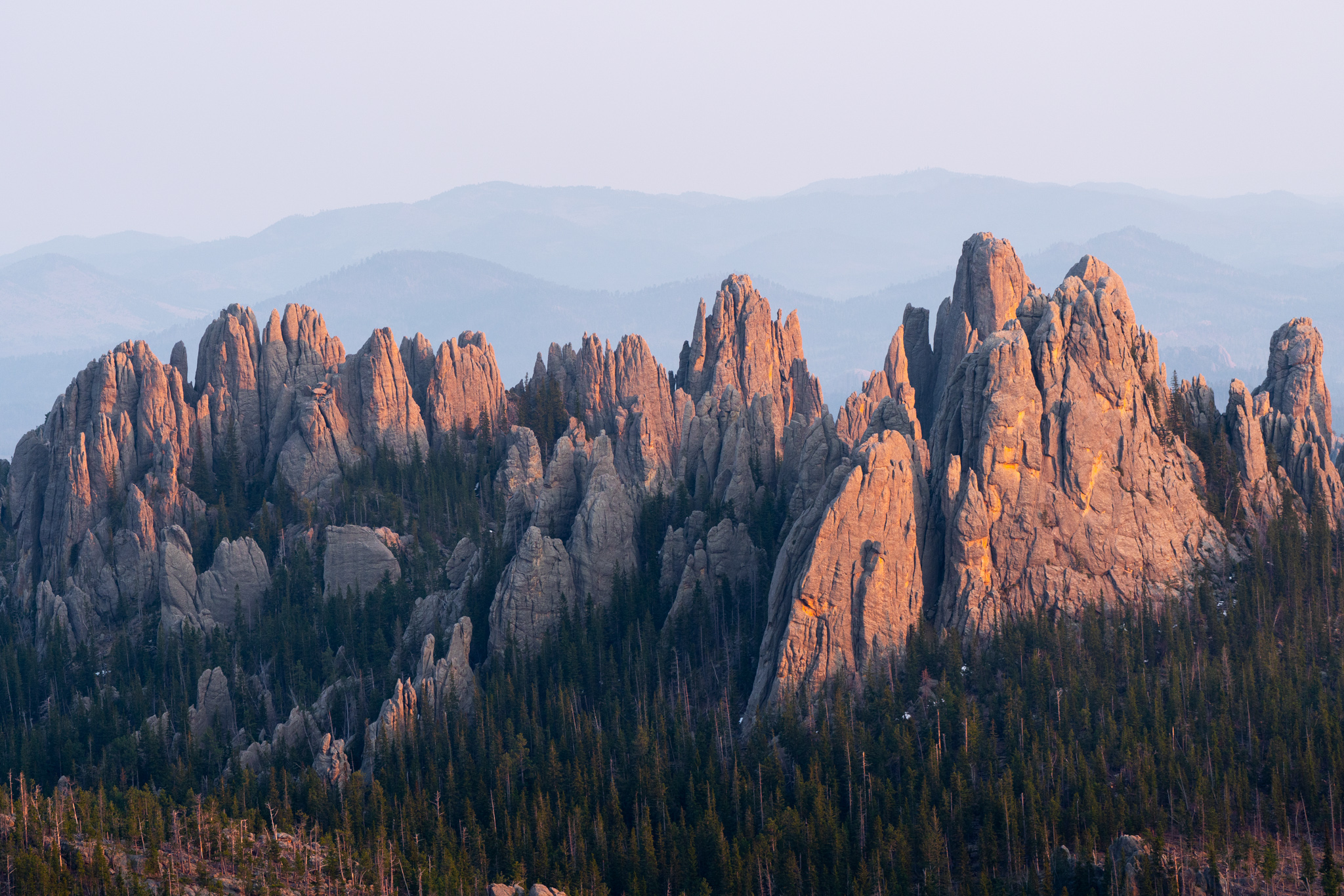
I knew I wanted a job that would take me to the places I only saw in movies and magazines, to meet people from different cultures and backgrounds. To be fully transparent, I had no idea where to start. But if I wanted an adventure, well, I got one, and I’m still on it.

As real as I try to be online, most of the time what you’re seeing is just a version of a final product–– not the journey itself. If you had seen the process alone without the result, I don’t think you would be very impressed. It would’ve looked like me juggling part-time jobs and relationships. Attempting to find my place in the world in what felt like the messiest ways. This path has been as complicated as it has been beautiful. If you looked at my journey alone, I’m not sure it would make sense.

Though I wanted to be a photographer from the time I was in high school, I buried my dream in favor of being “realistic”. I still wanted to be outside. I still wanted to travel. So I looked at my skill set and my work experience, and went from there. It turned out to be one of the most roundabout ways I could have come up with to ultimately become the thing I avoided: a travel photographer.
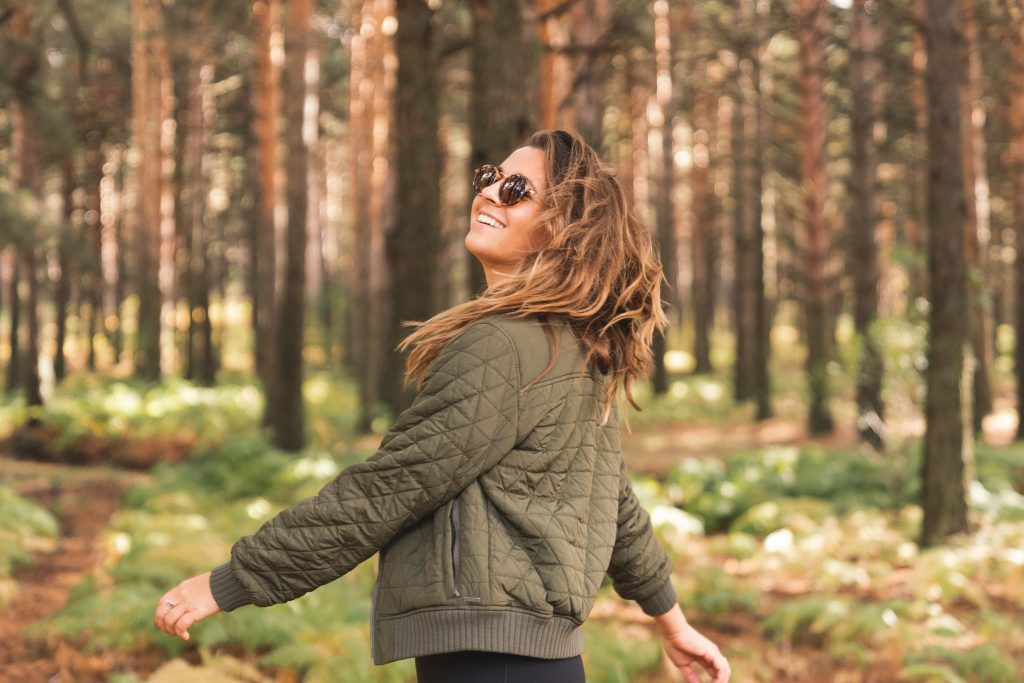
I worked at a small coffee shop in my hometown from the time I was 16, and decided to do something else after my freshman year of college. I took a job as a camp counselor, and in a way, that was the start of my outdoor career.

A year later, on my first major wilderness trip (Wyoming with NOLS), I learned just how powerful nature is. That trip was far more challenging than I had bargained for, and not just because of the physical aspect, but because it tested me as a leader and as a member of a team. It was like all my shortcomings, which is just to say, the things I needed to work on, were put under a microscope. I left the trip not knowing if I should hate being outdoors or love it.

The big picture of my career so far has been one foot in front of the other. Like putting a puzzle together, but only a few pieces at a time. I knew I wanted to be outside. I knew I wanted fresh mountain air and to swim in glacial rivers, and to feel the sun on my face in the desert and marvel at the sight of a truly dark and starry sky. Ironically, following those things is what brought me back to what I wanted to do in the first place. Following those things was not comfortable, nor do I expect it ever will be, but it’s the journey that showed me what matters.

I chose to pursue a career that would take me outside my house and outside my comfort zone, because I know what I learn there. It’s not the most easy or simple or comfortable, but it has showed me that I am capable of far more than I think I am. Travel and the outdoors made me feel alive and connected to this world and the people in it. It’s no wonder I followed that feeling.
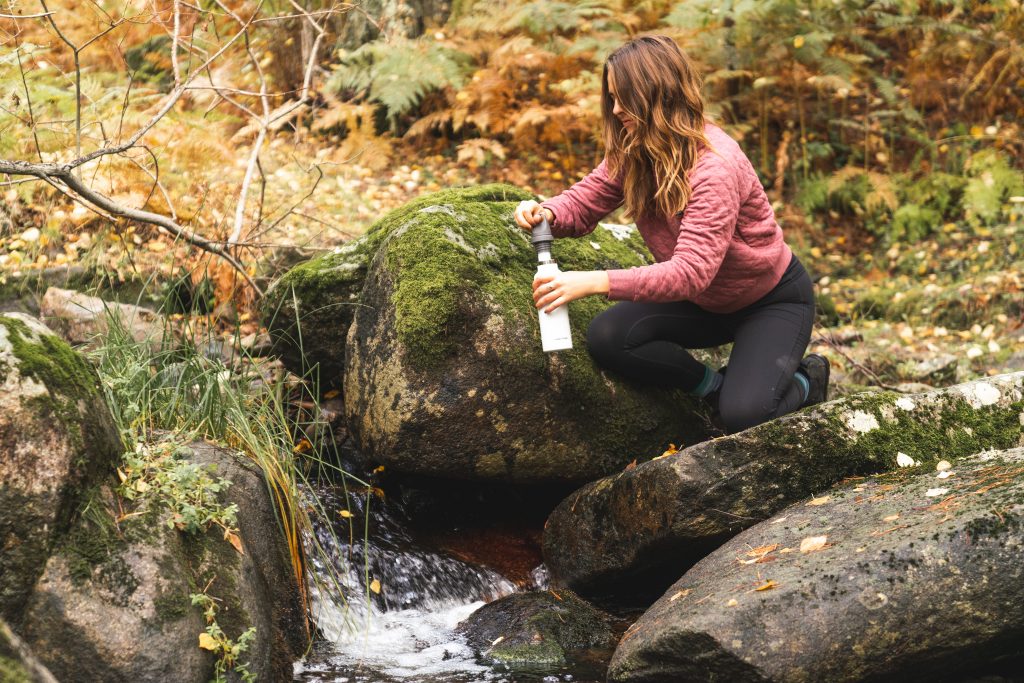
To anyone wanting to build a career on something they love, here is my advice:

Identify the thing that makes you feel most excited. The thing you keep coming back to. It doesn’t have to be just one thing. Do that thing a lot, even if it means you have to self-fund it. Especially if it means you have to self-fund it, because that will show you what you are capable of, and more. Don’t sell the farm or quit your day job just yet… see if you can make money from this thing. List all the ways. Work on them during your free time, and keep some back-up plans. Jump when the time is right.

When you do what you love, you will work a lot. You’ll probably work way more than you would have if you stuck with a job you felt neutral about, or even one you didn’t really care for. And when you love what you do or where you do it, it still feels like work, trust me. But there’s meaning behind the work, and that meaning makes all the difference.

I hope that you find the articles on my blog to be helpful. But it’s these types of pieces–– the ones where I spill my guts on something I care about–– that I think are most special, not the listicles I write about packing your camera, or how to start a blog, or what I did in Hawaii.
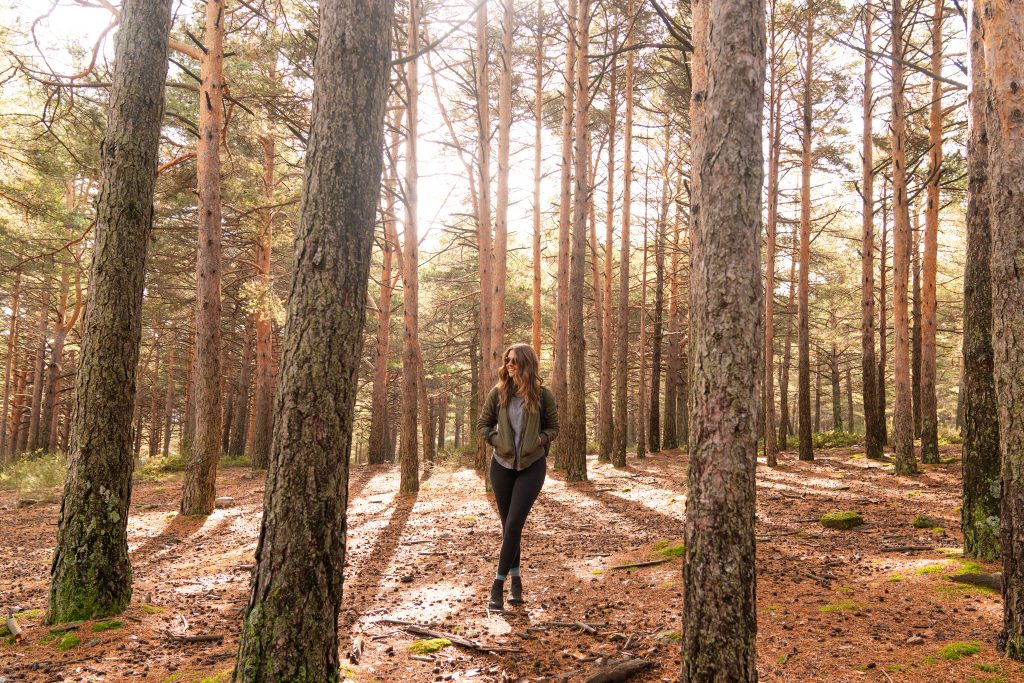
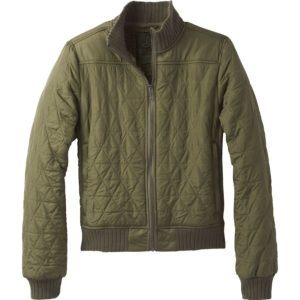
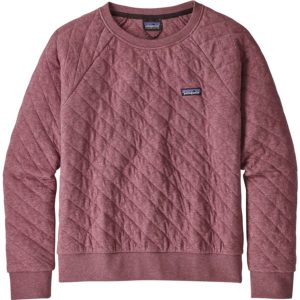
When I was living in Australia at 23, my mom told me that living in a tent might eventually get old. If you want my honest response to that comment six years later, well, it has. I no longer want to live in a tent. But the feeling of waking up in one somewhere beautiful is pure joy to me. And that is a feeling that has no age.


Ever since I started out working in the outdoor industry, I have trusted Backcountry.com as a great source for quality, well-priced outdoor gear. Below are some of my favorite pieces for fall, or anywhere you go that you might need layers.

BOMBER JACKET

Prana Diva Bomber Insulated Jacket

I have been wearing this jacket everywhere since I got it! I am often going to multiple countries with the same bag/suitcase, so I am always looking for versatile layering pieces that work in a variety of circumstances. This jacket is great for outdoor pursuits, but is nice enough to wear in the city. The lining is super soft fleece and it has a water repellant coating.

QUILTED SWEATSHIRT

Patagonia Organic Cotton Quilt Crew Sweatshirt

This is a beautiful quilted sweatshirt for layering and is super soft and comfortable. I love the color and Patagonia products are always well-made and last forever.

WATERPROOF BOOTS

Sorel Ainsley Chelsea Boot

These Sorel boots have replaced my Blundstones this season! They are comfortable for walking around cities all day, totally fine for hiking, and waterproof, which is awesome. I wear these with leggings, jeans, or dresses. They are a great all-in-one boot for travel.

LEGGINGS

Prana Transform High Waist Legging

For me, a good pair of leggings is an essential piece for layering.

UNIVERSAL WATER FILTER

LifeStraw Universal Bottle Adapter (2-Stage Filtration)

I found out about this filter on my recent trip to Mexico with LifeStraw. It is compatible with any water bottle, making it perfect for any trips you may take where the water quality is questionable.

CAMERA BACKPACK

Peak Design Everyday 20L Camera Backpack

Perhaps this one is an obvious pick for me, but it continues to be my favorite camera backpack. I like that you can customize the dividers, and that the bag itself is water resistant.

More fall favorites:


Big thanks to Backcountry for sponsoring this blog post, and prompting me to write about a topic that is so close to my heart. For 15% off your first order, you can use code ERIN15 at checkout. Code expires 12/31/18.

This post includes affiliate links, which means I may earn a small commission if you click through and make a purchase. As always, all thoughts and opinions are my own.